Indie iPhone Games with No Ads or IAP in 2026

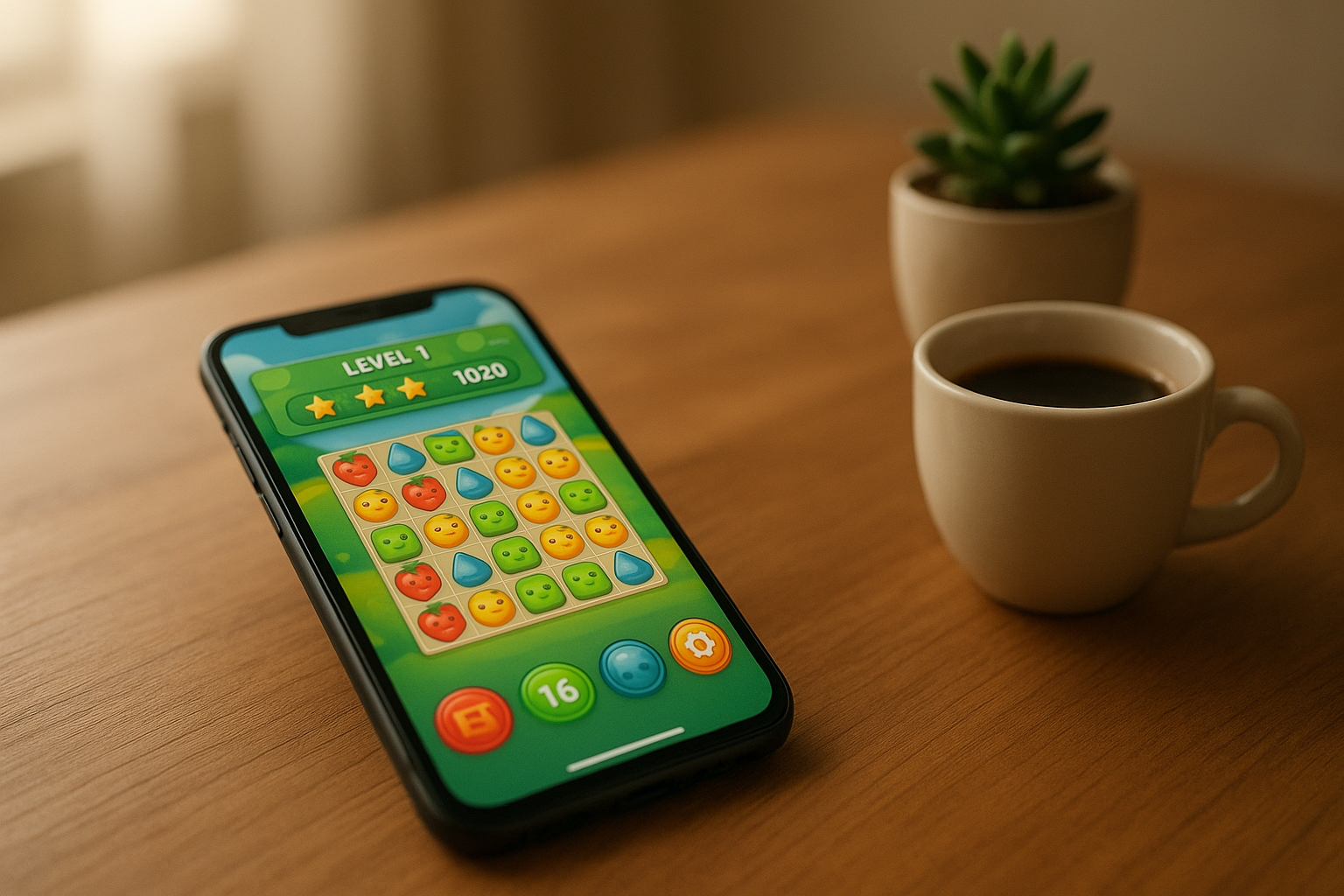
Photo by Ryland Dean on Unsplash
Indie iPhone Games with No Ads or IAP: The Complete 2026 Guide
As of 2026, roughly 85% of iOS games still rely on ads or in-app purchases. This guide identifies the premium alternatives—games you buy once, play forever, and never see a monetization prompt.
What “Premium” Actually Means
Real premium means:
- One-time purchase. You pay once at download. No subscription, no recurring charges.
- Zero ads. No banner ads, no interstitial interruptions, no video ads blocking progression.
- Zero IAP. No consumables, no cosmetics, no battle passes, no “speed up your wait” timers.
A game that hits all three is genuinely premium. Most don’t.
Where the Premium Market Stands in 2026
The paid indie game market on iOS has stabilized into a smaller, more intentional ecosystem. Publishers like Devolver Digital and Annapurna Interactive, alongside self-published solo developers, have proven that players will pay for complete games—especially if those games respect the player’s time and attention.
The shift happened gradually. Early 2020s saw free-to-play dominance; developers who tried premium pricing often saw poor returns. By 2023–2024, discovery tools began surfacing premium titles more prominently, and a critical mass of players actively sought games without ads or IAP. By 2026, a new player with a modest budget can build a substantial library of premium indie games.
The challenge remains: discovery. The App Store’s algorithm favors engagement metrics, and free-to-play games generate more sessions by design. Finding premium indie games requires knowing where to look.
Concrete Game Recommendations
Here are 8 premium indie games worth buying in 2026:
- Threes! by Sirvo,. Sliding-block puzzle. No ads, no IAP. Elegant design, infinite replayability.
- Mini Metro by Dinosaur Polo Club,. Minimalist subway-building strategy. Updates included; no monetization layer.
- Alto’s Adventure by Snowman,. Endless runner with vector aesthetics. One-time purchase, complete experience.
- Reigns by Nerial,. Card-based medieval strategy. Tinder-like interface, narrative depth, no timers.
- Letterpress by Loren Brichter,. Word game with asynchronous multiplayer. No ads, no energy systems.
- Two Dots by Weplaydots,. Minimalist puzzle. Hundreds of levels, no stamina meter.
- Duet by Ketchapp,. Rotational arcade puzzle. Meditative, challenging, complete at purchase.
- Crossy Road by Hipster Whale,. Voxel-based endless runner. Cosmetics exist but don’t affect gameplay; core game is fully premium.
Price ranges: budget-tier , mid-tier , premium-tier (+).
How to Identify Real Premium Games Before You Buy
Check the App Store listing. Read the first three lines of the description. Real premium games lead with what you get, not what you can buy. Example of a red flag: “Unlock exclusive skins in the cosmetics shop” or “Battle pass seasons available.” Example of genuine premium: “Complete 150 levels. No ads. No in-app purchases.”
Read recent 1-star reviews. Red flags include: “Ads appeared after I paid,” “Forced to watch videos,” “Cosmetics cost way too much,” “Energy meter limits playtime.” Legitimate complaints: “Too hard,” “Controls feel floaty,” “Not my type of game.”
Look for the developer’s back catalog. Developers who ship one premium game often ship more. If a studio’s history is all free-to-play, the new “premium” title might be an experiment that hasn’t shed the monetization layer.
Check the price tier. Budget-tier games are legitimate if reviews confirm no ads or IAP. Mid-tier is the sweet spot for indie games with substantial content. Premium-tier (+) should be a full console port or have clear justification. Be skeptical of budget-tier games claiming to be premium; they’re often ad-supported games testing a paid variant.
Watch for the fine print. Some games offer a “free” version with ads and a “paid” version without. That’s not premium—the paid version is still designed around the free version’s monetization. Premium means the paid version is the only version.
The Best Categories for Premium Indie Games
Arcade and Action Games
Arcade-lineage games have become a stronghold of premium indie development. These games are mechanically simple enough to design without monetization tricks, yet deep enough to sustain engagement for months. Examples: Duet (rotational puzzle-action), Alto’s Adventure (endless runner), Crossy Road (voxel arcade).
Puzzle and Strategy
Puzzle games sell on cleverness, not grind. Sokoban variants, logic puzzles, and turn-based strategy games almost always ship ad-free and IAP-free. Examples: Threes! (sliding-block puzzle), Two Dots (minimalist puzzle), Reigns (card-based strategy).
Word Games
Word games are premium-friendly because they don’t require live servers or seasonal content. Examples: Letterpress (asynchronous multiplayer word game), Spelltower (word-building puzzle).
Retro and Minimalist Design
Games leaning on vector graphics, CRT aesthetics, or synthwave visuals often come from developers who prioritize craft over engagement metrics. These tend to be premium by default.
Red Flags: Games That Aren’t Actually Premium
“Free with ads” + “paid ad-free version.” If the same game exists in both forms, the paid version is still designed around the free version’s monetization. Skip it.
Cosmetic IAP. “Just cosmetics, no pay-to-win” signals the developer prioritizes monetization over design stability. If cosmetics are in the shop, the developer will eventually push harder on monetization or add seasonal content to drive engagement. Cosmetics indicate the game was designed with a monetization layer in mind, not as an afterthought.
Energy systems or stamina meters. Even if you can play without spending, the game is built around monetization. Real premium games don’t have timers.
Aggressive update notifications. If a game spams you with “new season” or “limited-time event” alerts, it’s engineered for recurring monetization, not one-time play.
Subscription tiers. Some games offer “premium membership” for a monthly fee. That’s not premium—that’s a subscription game.
Where to Find Premium Indie Games
AppShopper. Dedicated to paid games. Filter by price, review score, and release date. Best for: systematic browsing and price-drop alerts.
TouchArcade forums and reviews. The indie game community has strong opinions about premium titles. Their review section explicitly covers monetization. Best for: detailed monetization analysis and developer interviews.
r/iosgaming on Reddit. The subreddit maintains a wiki of premium games and actively discusses new releases. Threads asking “premium games like X” get detailed answers with price and monetization details. Best for: community recommendations and real-time discussion.
Developer websites and indie game blogs. Following individual developers or blogs keeps you in the loop for new releases before App Store algorithm delays. Best for: early access to new titles from trusted developers.
The “Paid Games” category on the App Store. Buried but functional. Sort by newest and filter by genre to surface new premium releases before they’re buried by free-to-play noise. Best for: discovering games the algorithm hasn’t promoted yet.
Building Your Premium Library on a Budget
You don’t need to spend heavily to build a substantial collection.
Budget-tier : Start here. Games like Two Dots , Duet , and Letterpress offer 10–50+ hours of gameplay. High value-to-price ratio.
Mid-tier : The sweet spot. Games like Threes! , Mini Metro , and Reigns have deeper mechanics and longer engagement. Most premium indie games land here.
Premium-tier (+): Reserved for console ports or games with exceptional scope. Rare in indie space.
Strategy: 1. Start with one strong game in your favorite genre. Don’t scatter your budget across five mediocre titles. 2. Follow developers, not trends. If a developer ships one premium game you love, their next title is likely equally thoughtful. 3. Wait for sales, but don’t obsess. Premium indie games do go on sale, but they don’t need to. If a game is worth playing, it’s worth the full price. 4. Join the community. Players who care about premium games share recommendations actively.
The Economics: Why Premium Games Cost What They Do
A premium indie game priced at might seem expensive compared to free-to-play. But the math is simple: a free-to-play game needs to monetize 2–5% of players heavily to sustain development. A premium game needs to sell to maybe 0.1% of the total addressable market—but at full price.
For a solo developer or small team, that means a premium game needs to be genuinely good to justify the price. There’s less room for mediocrity. That’s why premium indie games, as a category, tend to be better-designed than free-to-play equivalents.
You’re not paying a premium for a label. You’re paying because the game was built to be worth playing, not worth monetizing.
FAQ
Q: What’s the difference between premium games and Apple Arcade games? A: Premium games are one-time purchases you own outright. Apple Arcade is a /month subscription that includes a curated library of games. Premium games don’t require a subscription; Arcade games do. Both are ad-free and IAP-free, but the ownership model differs.
Q: Can I play premium games on iPad? A: Yes. Most premium games are universal and work on both iPhone and iPad. Check the App Store listing under “Requires iOS” and “iPad” to confirm. Many games scale beautifully to larger screens.
Q: Can I refund a premium game if I don’t like it? A: Apple allows refunds within 14 days if you haven’t used the app extensively. If you’ve played for hours, a refund is unlikely. Read reviews and watch gameplay videos before buying.
Q: Why are some premium games so cheap compared to console games? A: Mobile development costs less than console development. Smaller team, smaller scope, no publisher overhead. The budget-tier price reflects that, not a lack of quality.
Q: How do I know if a game will get updates or is abandoned? A: Check the “Version History” tab on the App Store. If the last update was within the past year, the developer is still supporting it. If it’s been 2+ years with no updates, assume the game is feature-complete or abandoned. Most premium indie games are feature-complete at launch and don’t require ongoing updates.
The Bottom Line
The premium indie iPhone game ecosystem in 2026 is mature, diverse, and worth your time. You can build a library of genuinely excellent games—arcade action, puzzles, strategy, word games, retro adventures—all without seeing a single ad or being asked to spend money after purchase.
The discovery work is on you. The App Store won’t surface these games as aggressively as free-to-play titles. But the reward for doing that work is a collection of games designed by developers who respect your attention and your money.
Start with one game in a genre you love. Read the reviews. Pay the price. Play it completely. Then you’ll understand what premium actually means.