Indie iPhone Games Without Ads or In-App Purchases

Photo by Alexey Savchenko on Unsplash
Indie iPhone Games Without Ads or In-App Purchases
Only 12% of paid games on the App Store have zero in-app purchases. The rest rely on free-to-play monetization: ads, energy timers, battle passes, and cosmetic spending designed to extract recurring revenue. But a smaller, fiercer corner of indie development still ships complete games for a one-time purchase—no ads, no in-app purchases, no dark patterns. These are games where the developer’s incentive is to make you happy, not to extract recurring revenue.
If you’re tired of being a free-to-play user instead of a player, this guide maps out where the real premium indie games live on iPhone in 2026—and why they’re worth the entry cost.
Why Premium Indie Games Matter
The free-to-play model has trained millions of players to expect games for zero dollars upfront. What that actually means is: the game is the product, and you are the customer’s customer. Your attention is the commodity being sold to advertisers and whales who fund the game’s continued operation.
Premium indie games invert that equation. You pay a modest amount—usually and —and the developer’s only incentive is to make a game you’ll actually want to keep playing. No energy system that resets in 4 hours. No “limited-time offer” banners. No ads between levels. The game is complete on day one.
For players in their 20s through 50s who remember when games shipped finished, or who simply value their time more than they value a few dollars, this model is a relief. Solo developers and small studios with AAA pedigrees are shipping experiences that punch above their weight.
The Premium-Only Advantage
When a developer commits to premium-only, every system decision flows from a different philosophy. Here’s what that looks like in practice:
No engagement metrics driving design. Free-to-play games optimize for daily active users, session length, and monetization funnels. Premium games optimize for satisfaction. If a puzzle is hard enough to be interesting but not so hard that players quit, that’s the right difficulty. No A/B testing to find the frustration threshold that maximizes spending.
Complete narratives. A premium game ships with a beginning, middle, and end. You’re not waiting for the developer to add Act 2 six months after launch, or hoping they don’t shut the servers down. Most of these titles are feature-complete on day one.
Honest difficulty curves. Tutorials exist to teach, not to pad play time. If a game is hard, it’s hard because the designer believes that’s where the fun lives—not because difficulty-gating is a monetization lever.
Respect for your device. Premium games don’t spam notifications. They don’t ask for permissions they don’t need. They don’t drain your battery to fund server costs. You own the game; you control when you play it.
Finding Premium Games on the App Store
The App Store’s discovery tools are optimized for free-to-play visibility. Finding premium indie games requires a different approach:
Search by price tier. In the App Store app, go to the Games tab, then filter by “Paid” instead of “Free.” This alone cuts out 80% of the noise. You’ll see games where the developer is confident enough in the product to charge upfront.
Follow indie game communities. Reddit’s r/iosgaming and r/iphone have active threads on premium purchases. These communities curate by player experience rather than engagement metrics—the opposite of the App Store algorithm. TouchArcade, AppShopper, and indie game podcasts (like Indie Hackers) regularly surface craft-built titles that the App Store’s algorithms miss.
Check developer websites. Solo developers and small studios often maintain their own sites or social feeds (Twitter, Mastodon, itch.io). Following a developer directly means you’ll hear about launches and updates before the App Store algorithm decides to surface them.
Look for “no ads, no IAP” in the description. It sounds obvious, but many App Store listings use the word “premium” while still running ads or selling cosmetics. Read the fine print. If the description explicitly states “one-time purchase” and “no in-app purchases,” you’ve found the real deal.
What Makes a Premium Indie Game Worth the Cost
Not every paid game on the App Store is worth buying. Some are ports of decade-old PC games with zero mobile optimization. Some are one developer’s weekend project that should have stayed on itch.io. The ones worth your money share a few qualities:
Deliberate design. The developer made specific choices about what to include and what to leave out. The game doesn’t try to be everything; it commits to doing one thing well. A puzzle game that’s just puzzles. A space game where gravity is the core mechanic. An adventure where the story is the point.
Craft-built systems. You can feel the attention to detail in every layer—controls that respond exactly when you expect, audio that matches the visual rhythm, difficulty curves that teach without frustrating. This doesn’t require AAA budgets; it requires care.
Respect for player time. The game doesn’t waste your time with loading screens, unskippable tutorials, or grinding. If it’s a 40-hour campaign, every hour earns its place. If it’s a 2-hour experience, it doesn’t pad itself to artificial length.
Honest about scope. A premium indie game doesn’t pretend to be Elden Ring. It knows what it is—a puzzle game, a narrative adventure, a roguelike, an arcade game—and commits fully to that identity.
Top Indie Premium Games Worth Buying in 2026
Galaximus
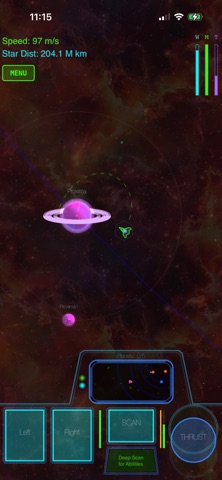
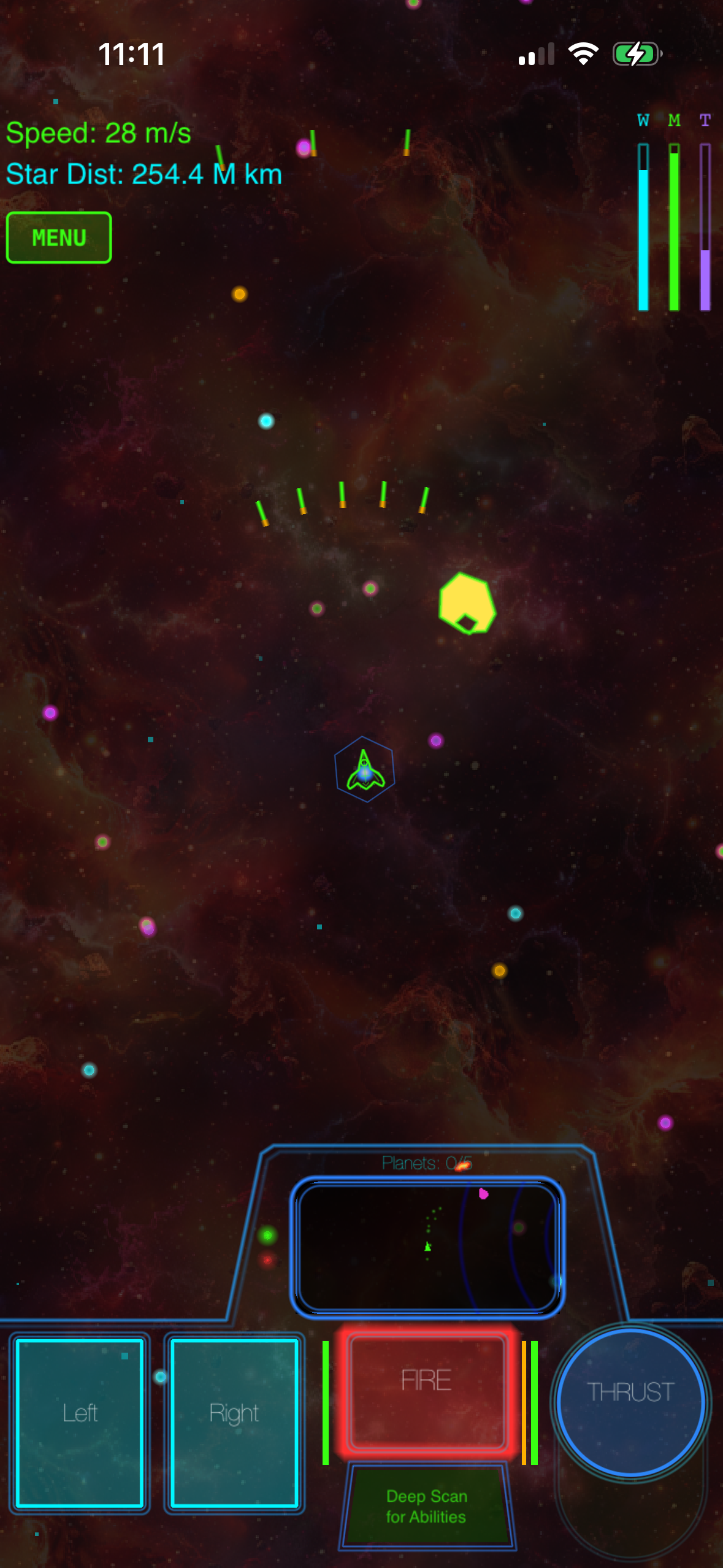
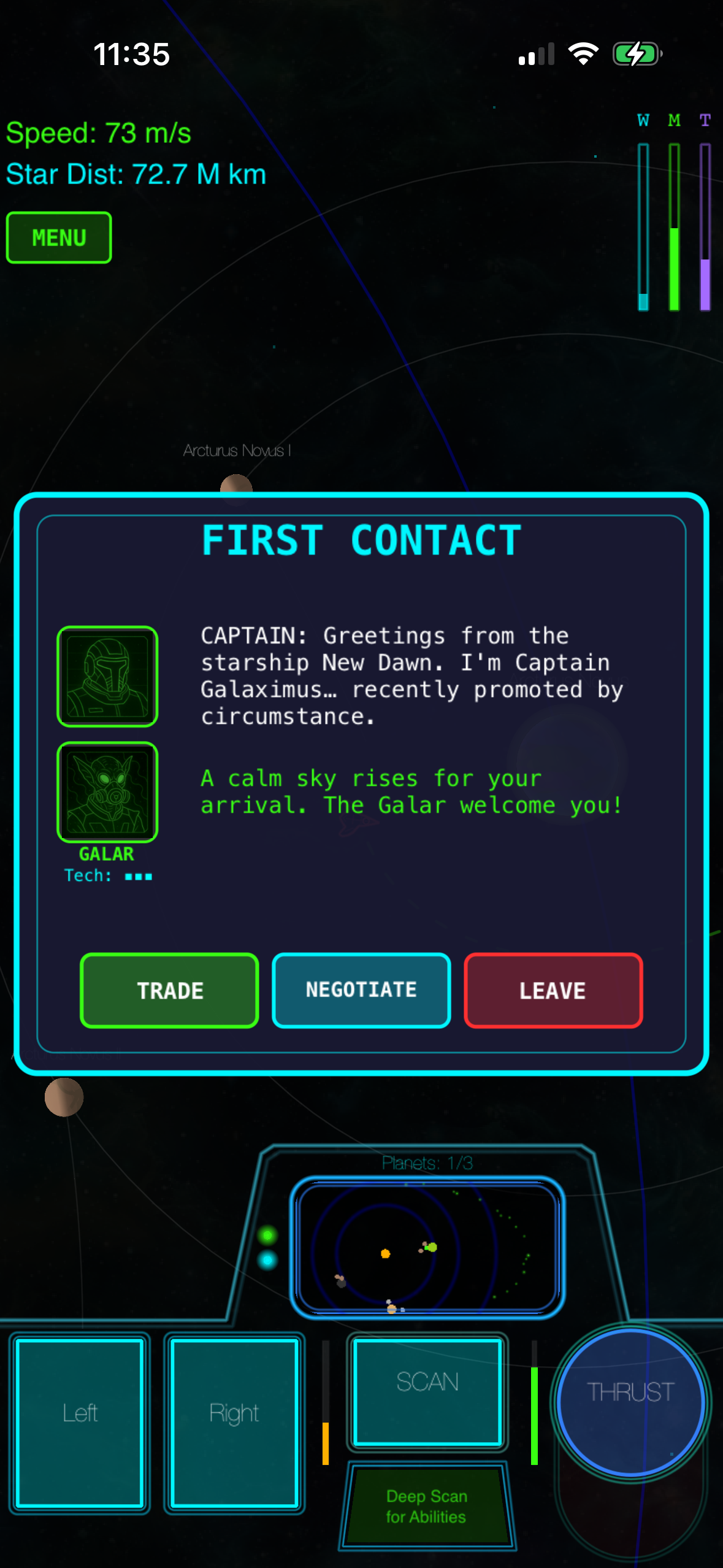
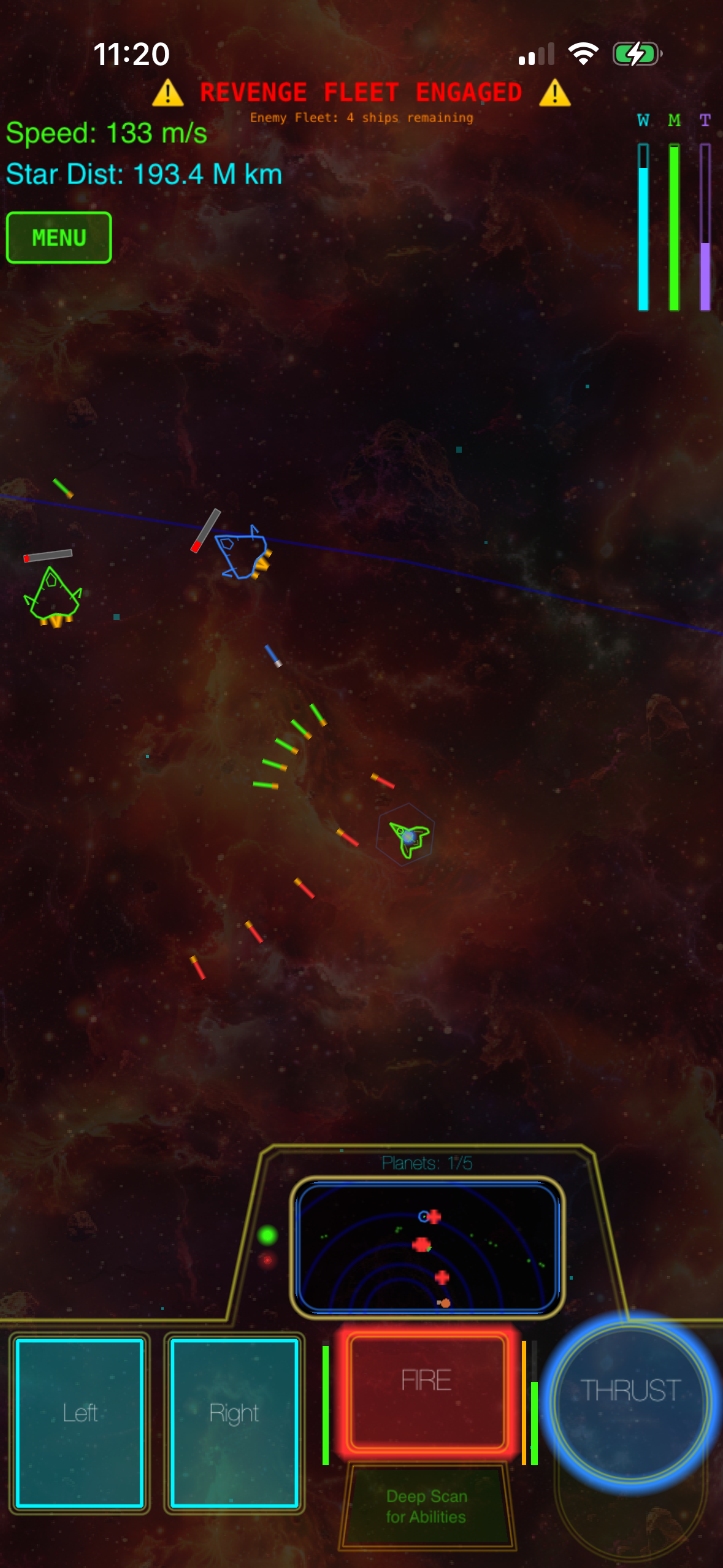
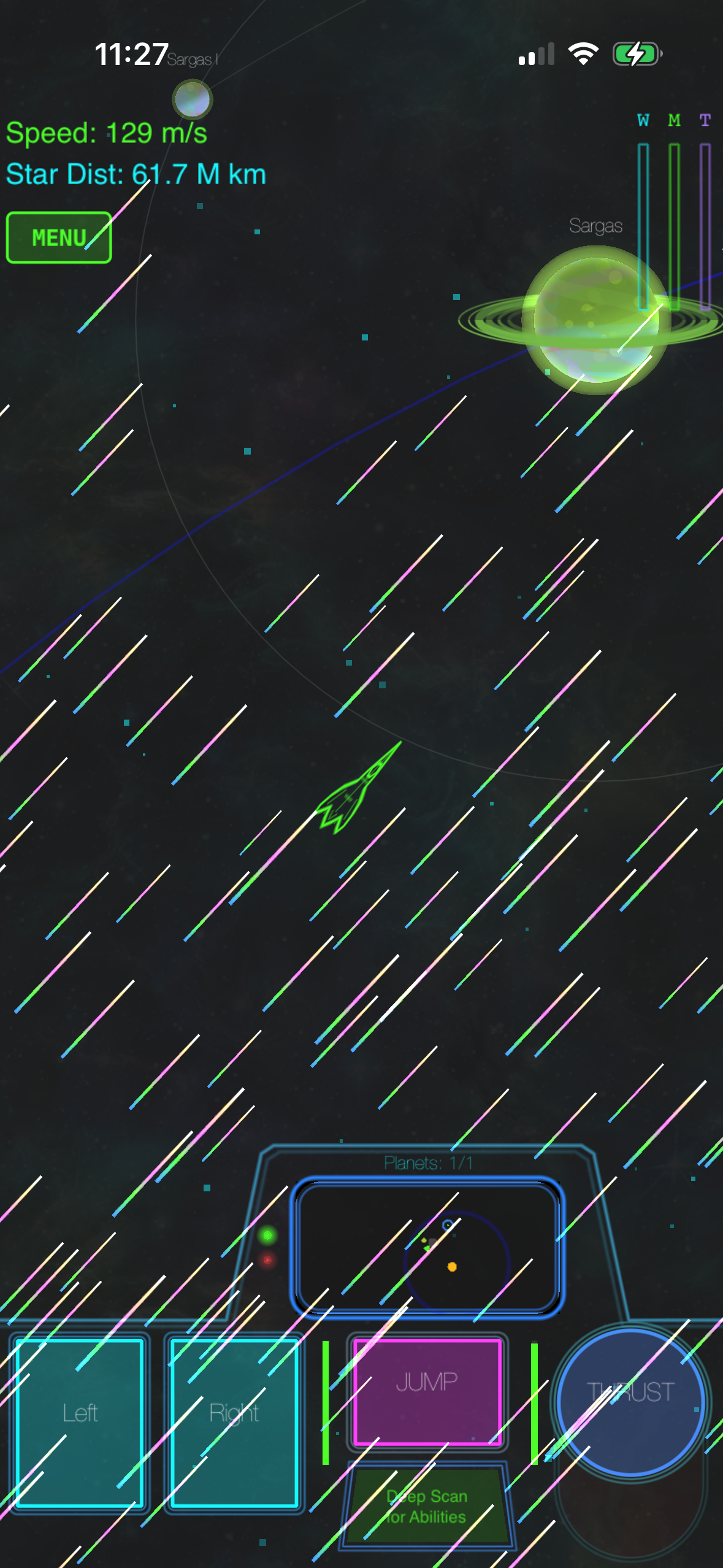
If you want a space game where gravity actually matters on iPhone, Galaximus delivers it. Every celestial body obeys real orbital mechanics—planets orbit suns, moons orbit planets, asteroids tumble through gravity wells, and your ship is subject to all of it. Mastery comes from using gravity as your engine: slingshots around planets, orbital captures, fuel-efficient transfer windows.
The learning curve is real—the game doesn’t hold your hand—but the payoff is that no other space game on iPhone offers this kind of physics-based mastery. The visuals are deliberately retro vector-arcade style, the audio is procedurally synthesized in real time (no pre-recorded sound files), and the campaign spans 8 procedurally configured star systems with a full narrative arc. One-time purchase; the upcoming Galaximus Infinitum expansion (open-galaxy sandbox, planetary surface exploration, outpost building) ships free to launch-tier buyers, then the combined game moves to a higher price tier.
Asteroids: Recharged
Vector-art asteroid blasting with modern craft. This is a direct lineage game—it respects the 1979 Asteroids arcade format without just copying it. The controls are responsive, the difficulty curve teaches you gradually, and there’s a full campaign with narrative framing alongside the classic arcade mode. No ads. No IAP. Just the game, complete on day one. Per player reviews on the App Store, this is the gold standard for how to modernize a classic arcade game without adding monetization gimmicks.
Into the Breach
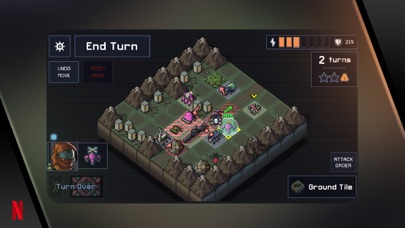
Tactical grid combat where you see every enemy move before you commit your own. This is turn-based strategy where information is your primary resource—you’re not grinding levels or managing resources over time, you’re solving puzzles where the solution is a sequence of moves that defeats the enemy team in a constrained space. Per developer specs and player reports, each run is short (15–30 minutes), but the campaign loop incentivizes replays. Craft-built systems, honest difficulty, zero monetization.
The Witness
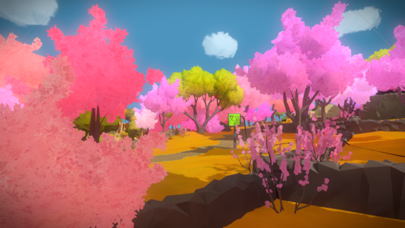
Philosophical environmental puzzles on an island you explore at your own pace. The core mechanic is simple—draw lines on panels to solve puzzles—but the game teaches you its language gradually, and the island itself is a puzzle. No combat, no time pressure, no monetization. Just you, the environment, and the satisfaction of understanding a system. Per teardown reviews on YouTube and player reports, this is a 40–60 hour campaign that respects your intelligence and rewards curiosity.
Kentucky Route Zero
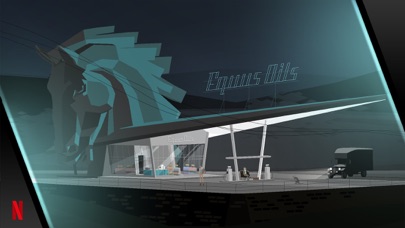
Magical realism road-trip narrative adventure. You play a truck driver delivering his final load along a secret highway that exists outside normal geography. The game is episodic (five acts, all available now), and it’s more interested in atmosphere and story than in challenge. The controls are minimal, the dialogue is sharp, and the writing treats adult themes with genuine care. Per aggregated reviews on the App Store and r/iosgaming, this is the narrative game that proves premium indie storytelling can match or exceed AAA cinematic games.
Threes!
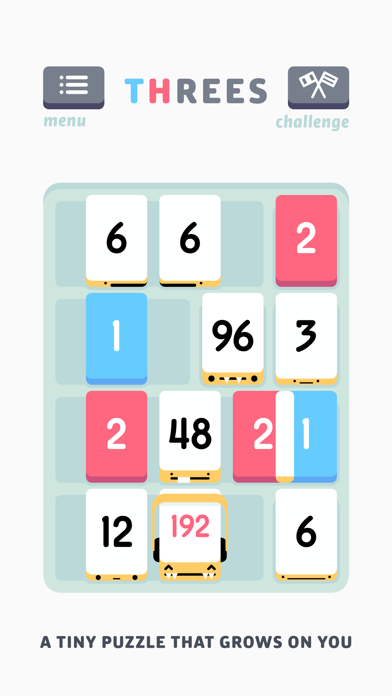
Tile-sliding puzzle game where you combine numbered tiles to reach higher powers of three. It looks simple—move tiles on a 4×4 grid, combine matching numbers—but the strategy depth is surprising, and the difficulty curve is perfect. The game teaches you gradually and lets you play at your own pace. No timers, no ads, no IAP. The developer explicitly rejected free-to-play offers and has maintained the premium model since launch. Per multiple owner reports, Threes! is the gold standard for how to design a puzzle game that’s accessible but not trivial.
Why These Games Don’t Run Ads
It’s worth understanding the economics. A premium game developer makes money once: when you buy. That’s the entire revenue model. There’s no incentive to add ads later (which would destroy the experience and tank reviews), and no incentive to nickel-and-dime you with IAP.
Compare that to a free-to-play game, which needs to monetize every session. If you play for 20 minutes and don’t spend money, the developer loses money on the server costs. So the game optimizes for extracting revenue: energy timers that force you to wait or pay, cosmetics that feel mandatory, ads between every activity.
Premium indie games are built on the assumption that if the game is good enough, people will pay for it. That’s a higher bar—the game has to be genuinely satisfying on its own merits—but it’s also a cleaner relationship. You pay, you own, you play.
The Learning Curve Question
One honest trade-off: many premium indie games have a real learning curve. Galaximus requires 20–30 minutes of focused play before you feel in control. Into the Breach assumes you understand grid-based tactics. The Witness doesn’t explain its puzzle language—you learn it by playing.
This isn’t a bug; it’s a feature. The learning curve is what separates games that respect your intelligence from games that treat you like a toddler. If you’re the kind of player who enjoys understanding a system deeply, the curve is a feature. If you want immediate gratification, it’s a barrier.
FAQ
Q: Are these games available offline? A: Galaximus, Into the Breach, The Witness, Threes!, and Kentucky Route Zero all play offline after the initial download. Some games may require an initial online check, but once downloaded, they don’t need a connection to play. Check the App Store listing for specifics.
Q: Do premium games ever go on sale? A: Occasionally. Premium indie developers sometimes discount games during holidays or milestones, but sales are infrequent and unpredictable. The App Store doesn’t have a “watch for sales” feature, so following the developer’s social feeds or subreddits like r/iosgaming is the best way to catch discounts.
Q: What if I don’t like the game after buying it? A: The App Store’s refund window is 14 days from purchase. If you’re unhappy, request a refund through Settings > [Your Name] > Media & Purchases > Purchased > Find the game > Report a Problem. Be honest about why you want the refund; Apple is generally accommodating within the window.
Q: Are there free premium games (ad-free, no IAP)? A: Rarely, and usually because the developer is funded another way (Patreon, grants, day job). The vast majority of ad-free, IAP-free games are paid. If you see “free” with “no ads” and “no IAP,” read the description carefully—some games are free with optional cosmetic IAP, which technically violates the “no IAP” claim.
Q: How do I know if a game is truly premium or just “premium-named”? A: Check the App Store description for explicit language: “one-time purchase,” “no in-app purchases,” “no ads.” Look at the reviews—if recent reviews mention ads or IAP popping up, the game is not truly premium. Trust community reports on r/iosgaming more than the official description.
The Case for Paying for Games
Paying for a game upfront feels like a relic of the pre-smartphone era. But it’s actually the model that incentivizes developers to make games you want to play, rather than games designed to extract money from you.
When you buy a premium indie game, you’re voting for a business model that respects your time. You’re telling developers that quality and completeness matter more to you than “free.” And you’re funding the next generation of craft-built games that don’t treat you as a revenue stream.
The games listed above are worth the investment. Each one is complete, honest, and made by developers who care about the experience over the monetization. Start with one that matches your interests, and you’ll understand why players who’ve escaped the free-to-play treadmill never go back.


