Premium iPhone Games Under $10: Worth Every Penny

Photo by Onur Binay on Unsplash
Premium iPhone Games Under $10: Worth Every Penny
The sub- premium game is the sweet spot of iOS gaming in 2026: enough money that a developer can afford craft, not so much that you’re gambling on an unknown title. This is where indie developers prove themselves, where arcade lineage lives, and where you’ll find games that respect your time instead of farming it.
The catch is that the App Store doesn’t filter by “actually premium” — plenty of listings claim the label while running ads or pushing IAP. This guide cuts through that noise and names games that deliver: complete experiences, no energy timers, no surprise purchases, no “watch an ad to continue.” Games you can actually finish.
Most titles in this guide range from to; check the App Store listing for current pricing in your region.
Why Sub-$10 Games Matter
The tier is where premium iPhone gaming lives. It’s expensive enough that developers can’t survive on volume alone—they have to build something worth recommending. It’s cheap enough that you can take a chance on an unknown studio without financial regret.
Free-to-play games train you to expect timers, ad breaks, and constant upgrade prompts. One-time purchases train you to expect completion. You buy once, you own it, you play until you’ve seen everything the developer built. No battle pass expires. No seasonal content vanishes. No “limited-time offer” popup ruins a quiet moment.
The audience for these games knows the difference. Players who’ve paid for one solid indie title are far more likely to buy another than players ground down by free-to-play mechanics. Craft compounds trust.
Arcade Lineage: Games That Respect the Format
Modern arcade games on iOS don’t just copy 1979—they understand why those games worked. Tight controls, clear rules, escalating difficulty, and a single run lasting 5–20 minutes instead of 40 hours. These games are built for the way you actually play on a phone.
Asteroids: Recharged and its spiritual descendants lean into physics-based positioning. Shooting is half the game; the other half is where you are when you shoot. The best runs reward patience and sightlines over twitch reflexes.
Geometry Wars: Retro Evolved strips the asteroids formula down to pure geometry and color. Vector graphics, minimal UI, maximum clarity. The screen tells you everything you need to know without text.
Lunar Rescue brings the Lunar Lander lineage into 2026 with hand-tuned thrust physics and landing zones that get progressively hostile. The difficulty curve is steep but never unfair—each failed run teaches you something about fuel efficiency or angle.
Space Games: Real Orbital Mechanics
Space games on iOS live in two worlds: arcade-action space games (fast, twitchy, colorful) and simulation-leaning space games (slower, physics-heavy, meditative). Both categories have sub- winners.
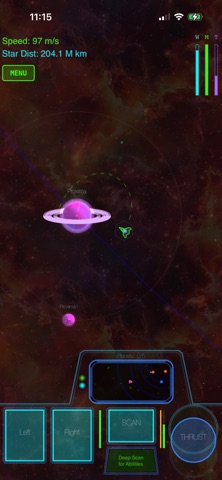
Orbit sits at the intersection. The developer leaned into real orbital mechanics—the kind where you can’t just point and thrust. You’re managing velocity, angle, and gravity wells. The minimalist aesthetic (vector lines, simple shapes) means the physics are the visual feedback. The learning curve is steep but deeply satisfying; once you understand orbital decay and Hohmann transfers, every successful orbit feels earned.
Galaximus brings arcade-action space combat into a premium package. Real orbital physics inform the movement model, but the gameplay is about positioning, timing, and managing limited resources. The difficulty scales smoothly from accessible to genuinely hard, and the craft is evident in every system.
Roguelikes and Procedural Depth
A roguelike is a steal if the run variety holds up. The best ones ship with enough content that you’re still discovering strategies 20+ hours in.
Hades is the obvious pick, and it deserves to be. Hand-drawn art, voice acting, tight controls, and procedural combat encounters that stay fresh because the developer built 15+ weapon variations and dozens of modifier combinations. Most players report 40–60 hours before they’ve seen everything. The game respects your skill growth—early runs are brutal, but you unlock permanent upgrades that make later runs more forgiving without removing the challenge.
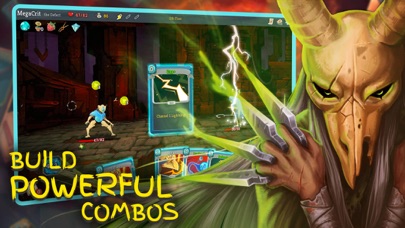
Slay the Spire (deck-building roguelike) and FTL: Faster Than Light (spaceship roguelike) are both available at sub- price points and both deliver hundreds of hours of replayability. FTL in particular rewards learning the systems—once you understand ship synergies and enemy patterns, you can execute runs that feel genuinely clever.
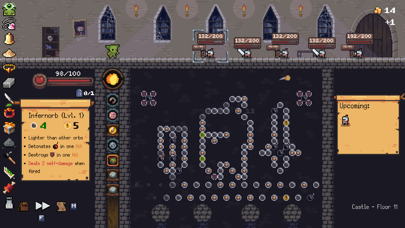
For a more recent pick, Peglin combines pachinko physics with roguelike progression. Each run is a new board layout, new weapon unlocks, new boss encounters. The physics are satisfying, the progression is transparent, and the difficulty curve respects new players while punishing carelessness.
Puzzle and Craft: Games That Teach You to Think
The best puzzle games aren’t about time pressure or combos—they’re about understanding a system deeply enough to break it.
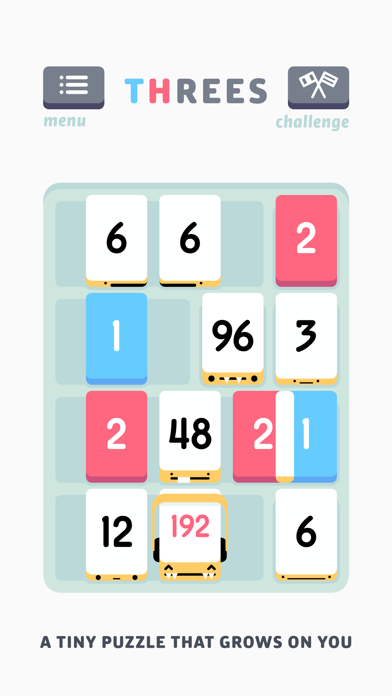
Threes! looks deceptively simple: slide tiles on a 4×4 grid, combine matching numbers. The math is relentless. Every move is permanent; undo doesn’t exist. Players spend 10 minutes thinking they’ve mastered it, then hit a wall and spend the next 20 minutes actually learning it. The game teaches you to think ahead.
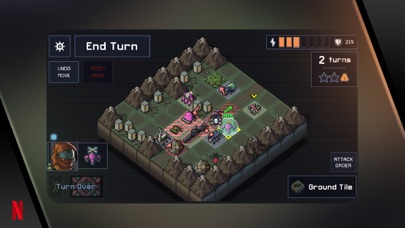
Into the Breach is a turn-based tactics game where you can see every enemy move before you act. The puzzle is: given perfect information, how do you position your three mech units to minimize damage and maximize damage output? The game ships with multiple squad compositions, and each one opens different tactical possibilities. Players report that “solved” runs feel like completing a math proof—elegant and satisfying.
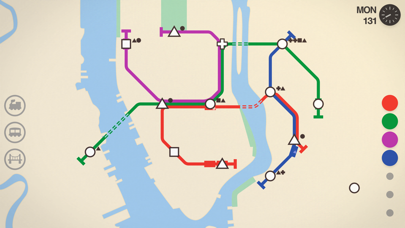
Mini Metro is a zen puzzle game about building subway systems. You draw lines connecting stations; trains follow your routes. As the city grows, the puzzle deepens: how do you route efficiently without creating bottlenecks? The game never punishes you with a game-over screen; it just gets harder until you’re managing chaos. Most players report 3–5 hours for a full playthrough, then returning to it months later for another run.
Narrative Games: Story Without Bloat
Premium narrative games on iOS don’t have the budget for 40-hour cinematic experiences, so the best ones lean into dialogue, choice, and pacing instead.
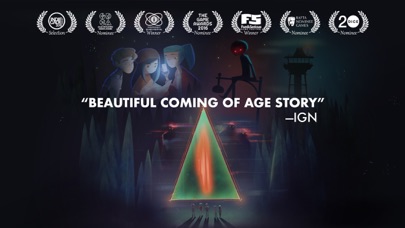
Oxenfree is a dialogue-driven adventure about a group of friends on an island where something goes wrong. The writing is sharp, the voice acting is naturalistic (not theatrical), and your dialogue choices actually matter—not in a “pick the good or evil option” way, but in how you shape the conversation and relationships. Players finish it in 4–5 hours and immediately want to replay it to see how different dialogue choices branch the story. The game respects your intelligence; it doesn’t explain every plot point.
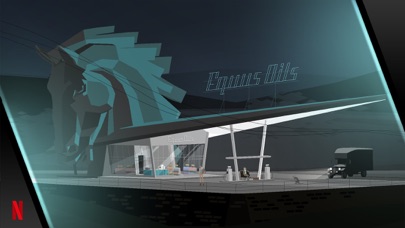
Kentucky Route Zero is a magical-realist road-trip game about a truck driver delivering one last load. It’s meditative, literary, and visually striking. The game is episodic (five acts), and each act is 1–2 hours. It’s the kind of game you finish and then think about for weeks. It’s not “fun” in the arcade sense; it’s moving.
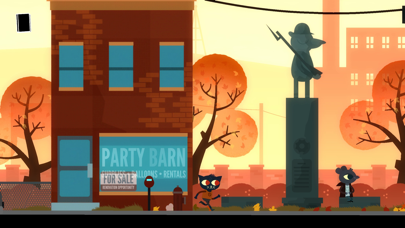
Night in the Woods is a narrative adventure about returning to your hometown and discovering that something is deeply wrong. The writing is character-driven, the art is distinctive, and the pacing respects downtime—you spend a lot of the game just talking to people you care about. It lands best with players in their 20s–40s who’ve felt the specific alienation of small-town life or economic precarity.
What to Avoid (Even If It Says “Premium”)
Not every paid game is actually premium. Some ship with ads. Some have “cosmetic” IAP that’s really just cosmetic. Some have energy systems that pause your play after 5 minutes.
Red flags: - Ad breaks in gameplay. If the listing mentions “ads,” it’s not premium, no matter the price. - “Cosmetic IAP only” with cosmetics that cost more than the game. If you’re spending on skins for a game, the economics are free-to-play, not premium. - Energy timers or stamina systems. Legitimate premium games don’t have these. Example: Puzzle Quest 3 charges upfront but includes energy timers that pause gameplay after 5 moves unless you wait 30 minutes or pay more. - Battle passes or seasonal content that expires. Premium games are permanent. - Constant notifications pushing you to return. Premium games respect your time off.
Another example to watch: Diablo Immortal launched at a premium price point but includes aggressive IAP systems and battle pass mechanics that are indistinguishable from free-to-play monetization.
The easiest filter: read the one-star reviews. If the complaints are about ads, energy timers, or surprise IAP, the game isn’t actually premium, no matter what the label says.
How to Find More
The App Store’s “Games” section is cluttered with free-to-play noise. Better filters:
- TouchArcade (toucharcade.com) runs a dedicated “Best Games” section curated by reviewers who understand the difference between premium and free-to-play.
- r/iosgaming (Reddit) has weekly “What are you playing?” threads where players recommend titles and discuss what makes them work. The community self-corrects quickly if someone recommends a game with hidden IAP.
- App Store “Editor’s Choice” section is hit-or-miss, but games that survive there for months are usually solid.
- Price-drop alerts (AppAdvice, AppShopper) notify you when premium games drop from to. You’re not buying on impulse; you’re buying when the developer discounts.
FAQ
What’s the difference between premium and free-to-play on iOS? Premium games charge once upfront and include the full experience. Free-to-play games are free to download but monetize through ads, energy timers, battle passes, or cosmetic IAP. Premium games don’t degrade over time—your game works exactly the same way in 2027 as it does today. Free-to-play games can shut down servers, remove features, or change monetization models. Your purchase is permanent.
How do I know if a game has hidden IAP? Check the App Store listing under “In-App Purchases.” If it lists anything beyond cosmetics (skins, emotes), the game likely has progression IAP or battle passes. Read the one-star reviews—players complaining about paywalls or energy timers are your canary in the coal mine. If the listing says “Offers In-App Purchases” but doesn’t specify what, scroll down to the reviews section; someone will have complained about it.
Do these games work on older iPhones? Most premium games in this guide support iPhone 12 and later, with some supporting iPhone 11 and earlier. Check the “Requires iOS X.X or later” line in each App Store listing. Older games (2020 and earlier) often support further back. If you have an older device, sort the App Store by “Oldest Compatible” to find games that still support your hardware.
Can I play these with a controller? Yes, most of them. Games like Hades, Into the Breach, and Peglin support MFi controllers (PlayStation, Xbox, or dedicated iOS controllers). Arcade games like Asteroids: Recharged and Lunar Rescue are designed for touch but work better with a controller if you have one. The App Store listing will say “Supports MFi Controller” if applicable.
What if I don’t like the game I bought? Apple allows refunds within 14 days of purchase if you request them through the App Store. You can request a refund by going to your account > Purchase History > the game > “Report a Problem.” Be honest about why—if you genuinely didn’t like it, Apple usually approves the refund. That said, most of the games in this guide have high review scores and long shelf lives, so refunds are rare.
The Bottom Line
Premium games are the best deal in iOS gaming in 2026. You’re paying enough that developers can afford craft, not so much that you’re gambling on an unknown studio. The games in this guide have been played by thousands of people, reviewed by critics, and discussed in communities that care about quality. They’re not perfect, but they’re real—complete experiences built by people who respect your time.
Start with one that matches your taste: arcade, space, roguelike, puzzle, or narrative. Finish it. Then come back for the next one. That’s how you build a backlog of games you actually want to play.