Best Indie iPhone Games Worth Paying For in 2026

Photo by Onur Binay on Unsplash
The Best Indie iPhone Games Worth Paying For in 2026
The App Store’s free-to-play default has buried something worth rescuing: games that ship complete, ask for money once, then get out of your way. No energy timers. No battle pass. No ads between levels. Just craft-built mechanics and the kind of polish that signals a developer who respects your time.
Finding them takes work. Premium games don’t generate recurring revenue, so the App Store’s algorithm deprioritizes them. But if you’re willing to spend to on a title, you’ll find games that punch harder than anything in the free crop. This guide rounds up the indie games on iPhone that actually earn their asking price in 2026.
What Makes an Indie Game Worth Paying For
Not every paid game is premium. Some charge upfront, then monetize through ads or in-app purchases anyway—a bait-and-switch that burns trust. The games here are different. They’re genuinely IAP-free and ad-free. They’re built by developers who chose a business model that aligns with player interest, not one that maximizes engagement metrics.
Craft-built mechanics matter too. A premium game doesn’t need to be complex—it needs to feel intentional. Every system should reflect the developer’s attention. A arcade game with three hours of tight, polished gameplay beats a game that’s 80% padding and 20% filler.
The best indie games on iPhone also respect the platform. They’re not ports that treat touch as an afterthought. They’re built for the phone’s screen, its input model, its battery constraints. That discipline shows.
Space and Orbital Mechanics: Games That Model Real Physics
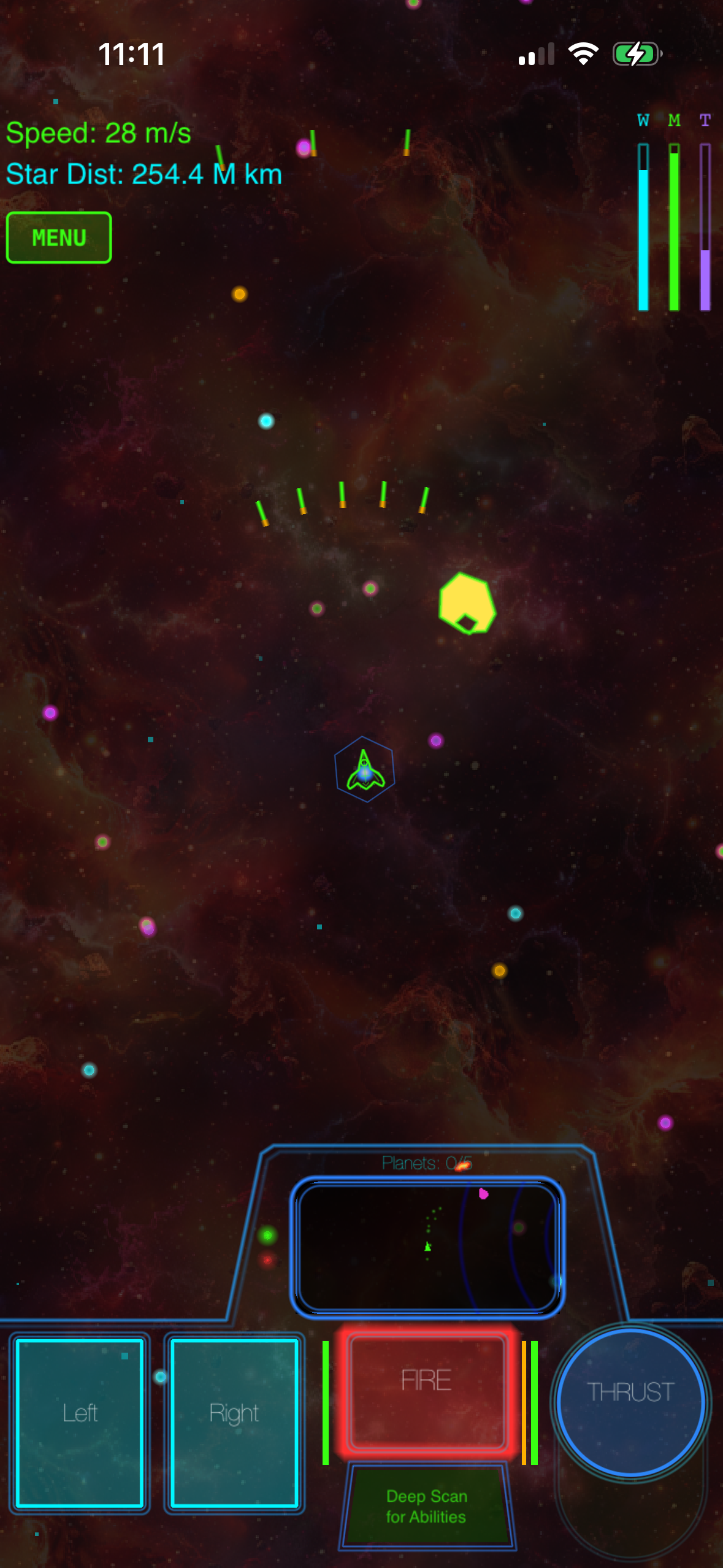
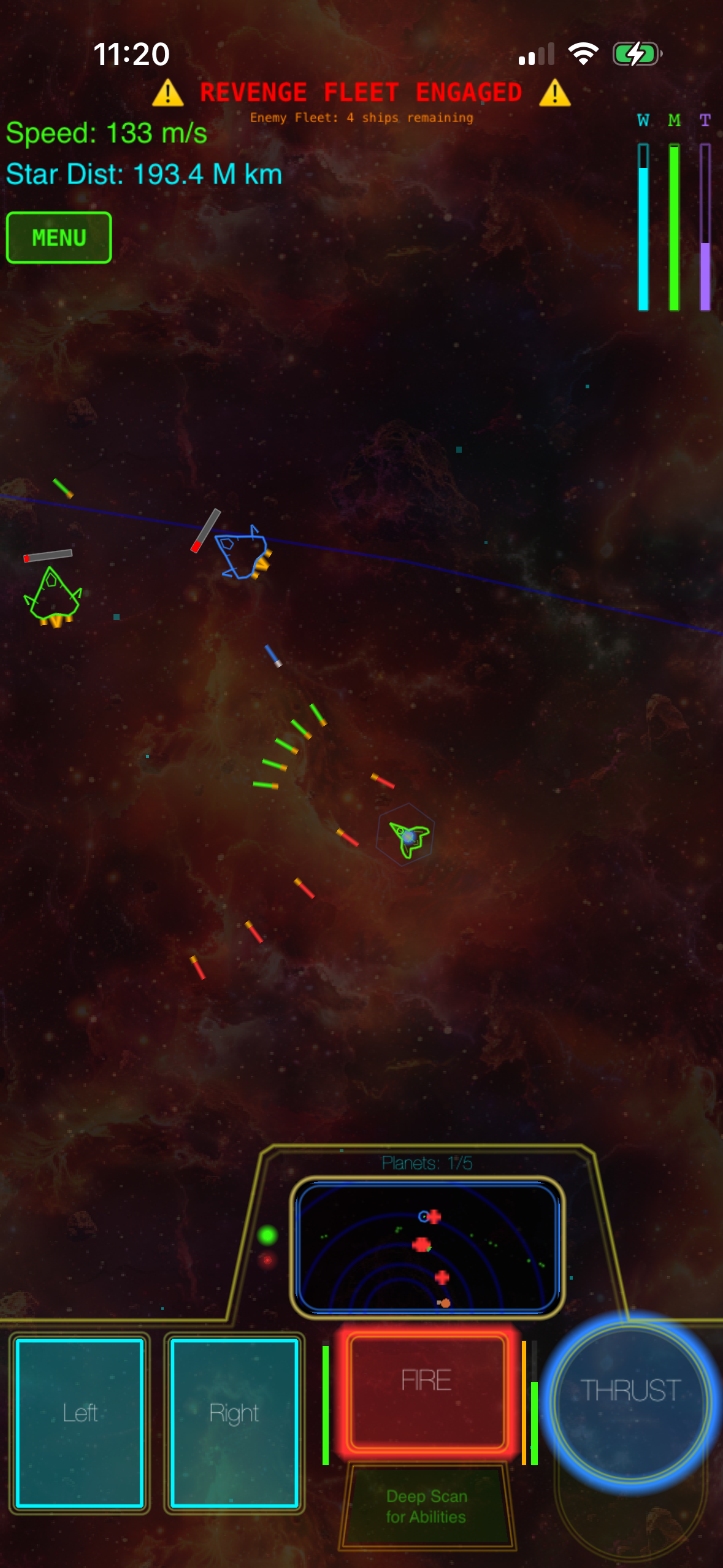
Galaximus (, by Pixel Sprout Studios) stands alone on iPhone for orbital mechanics. The physics are real—every body’s gravity affects every other body in real time. The ship isn’t just a sprite moving across a starfield; it’s subject to the same forces that govern planets and moons. Mastery comes from learning to use gravity as your engine: slingshots around planets, orbital captures, fuel-efficient transfer windows.
The learning curve is real. Thirty minutes in, you’ll feel lost. Thirty minutes after that, the physics clicks and suddenly you’re threading through asteroid fields by reading gravity wells instead of twitch-reflexing your way through. That payoff—where the interface stops feeling foreign and becomes an extension of thought—is what separates craft-built games from the rest.
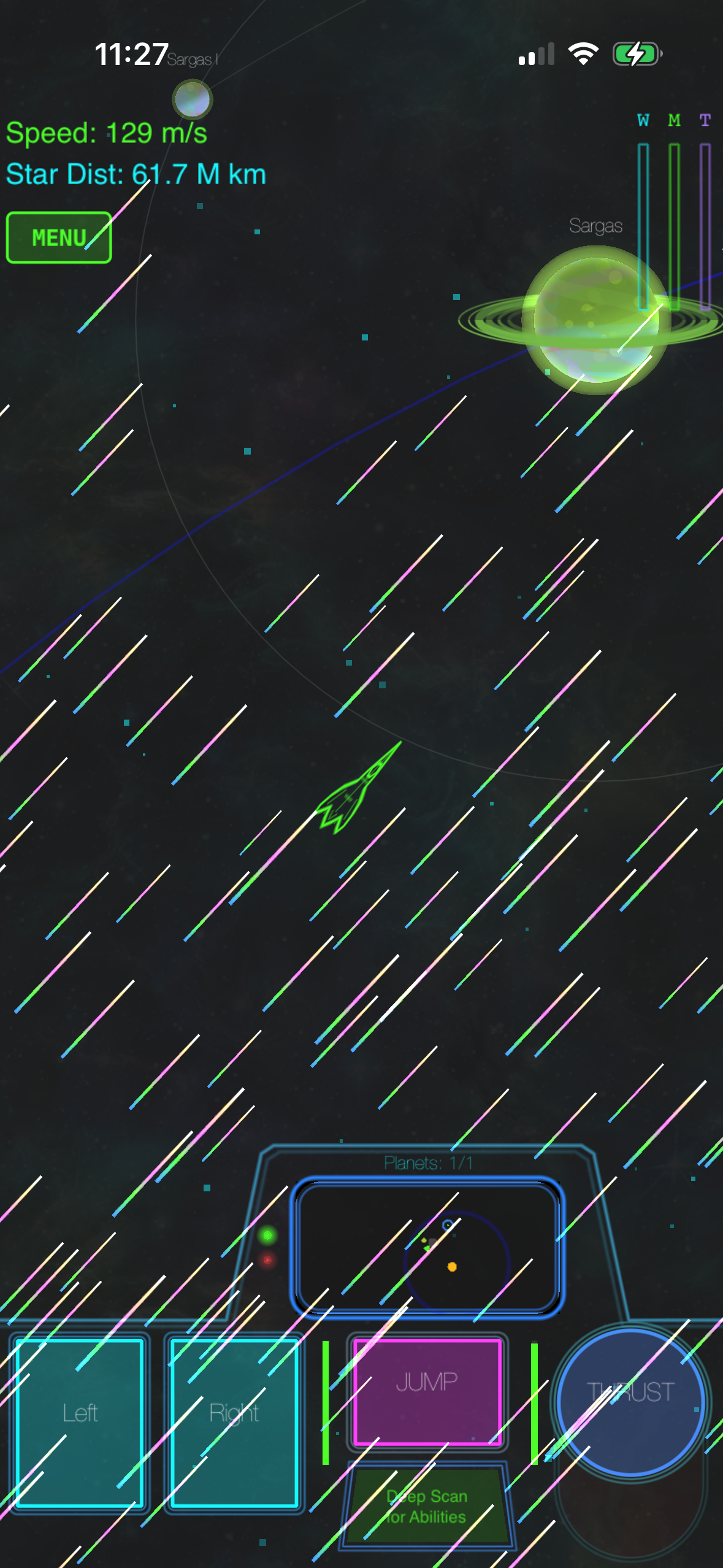
The campaign spans eight procedurally configured star systems with a structured narrative arc. Each playthrough generates unique planet layouts, so replay doesn’t feel like repetition. The visuals are deliberately retro vector-arcade; the physics underneath is the real story. And because it’s premium-only—no ads, no IAP, no energy meter—there’s no monetization friction between you and the game you paid for.
For a different flavor of space gameplay, Asteroids Recharged (, by Llamasoft) respects the lineage while building something new. It’s a direct descendant of the 1979 arcade game, but the procedural level generation and the way it layers difficulty across multiple weapon types gives it replay legs that the original didn’t have. The vector aesthetic matches the original’s, but the craft-built level design is all modern indie. No IAP, no ads.
Arcade Lineage: Modern Games That Honor the Classics
Geometry Wars 3: Dimensions (, by Lucid Games) is a port of the 2014 console title, adapted for iOS in 2015. It’s a masterclass in arcade design. It takes the Robotron/Defender lineage and adds one core idea—3D geometry as both obstacle and aesthetic—then executes it relentlessly. The game doesn’t try to be everything; it’s a pure score-chaser with dozens of mode variants that all flow from the same core mechanic: survive, shoot, manage space. No narrative fluff, no progression gates. Just gameplay that rewards skill and punishes mistakes cleanly.
The mid-tier price reflects the depth. Hundreds of hours are available to players who chase leaderboards, but you can also play one 15-minute session and feel satisfied. That flexibility—single-session play or long-term mastery—is a hallmark of craft-built arcade games.
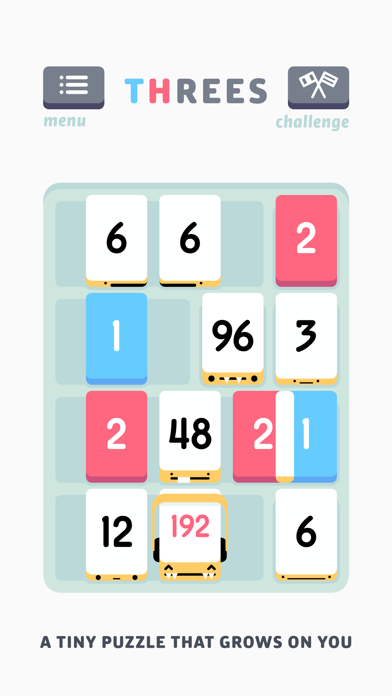
Threes! (, by Sirvo) is a puzzle game that looks deceptively simple: slide numbered tiles on a 4×4 grid, combine matching tiles, reach higher numbers. The hook is the rule set. Tiles don’t combine arbitrarily; 1s combine with 2s to make 3s, and every subsequent match doubles the previous number. That single constraint creates a decision tree deep enough to support thousands of plays without feeling repetitive.
It’s the opposite of a free-to-play puzzle game. No boosters. No ads. No “come back in eight hours for your next turn.” The game respects your intelligence and your time.
Premium Space and Sci-Fi: Games Built for the Setting
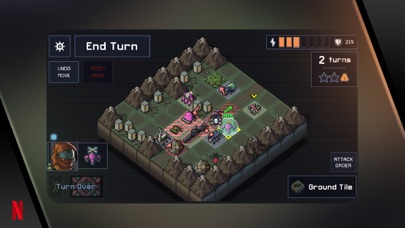
Into the Breach (, by Subset Games) is a tactical roguelike where you command a squad of mechs against alien invaders. Every turn is a puzzle: the enemy’s move is telegraphed before you act, so you’re playing chess against perfect information. The twist is that you’re not trying to maximize your score—you’re trying to protect a power grid by positioning mechs to block incoming attacks. Failure is always your fault, never the RNG’s.
The game shipped complete as of June 2026. No seasonal content roadmap. No battle pass. No cosmetics. Just a roguelike where every run teaches you something about the game’s systems, and mastery is genuinely achievable.
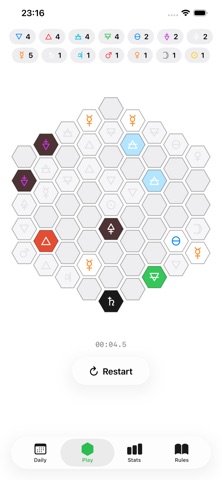
Opus Magnum (, by Zachtronics) is a puzzle game about magical automation. You’re given a goal—transmute lead into gold, create a healing potion—and a grid where you place and chain alchemical reactions. There’s no single solution. You can brute-force it or engineer an elegant path. The game rewards both, and the community’s solutions range from “it works” to “this person is a wizard.”
Mid-tier price. Hundreds of puzzles. No ads. No IAP. The kind of game that respects the player enough to let them solve problems their own way.
Narrative-Driven Games: Story Without the Filler
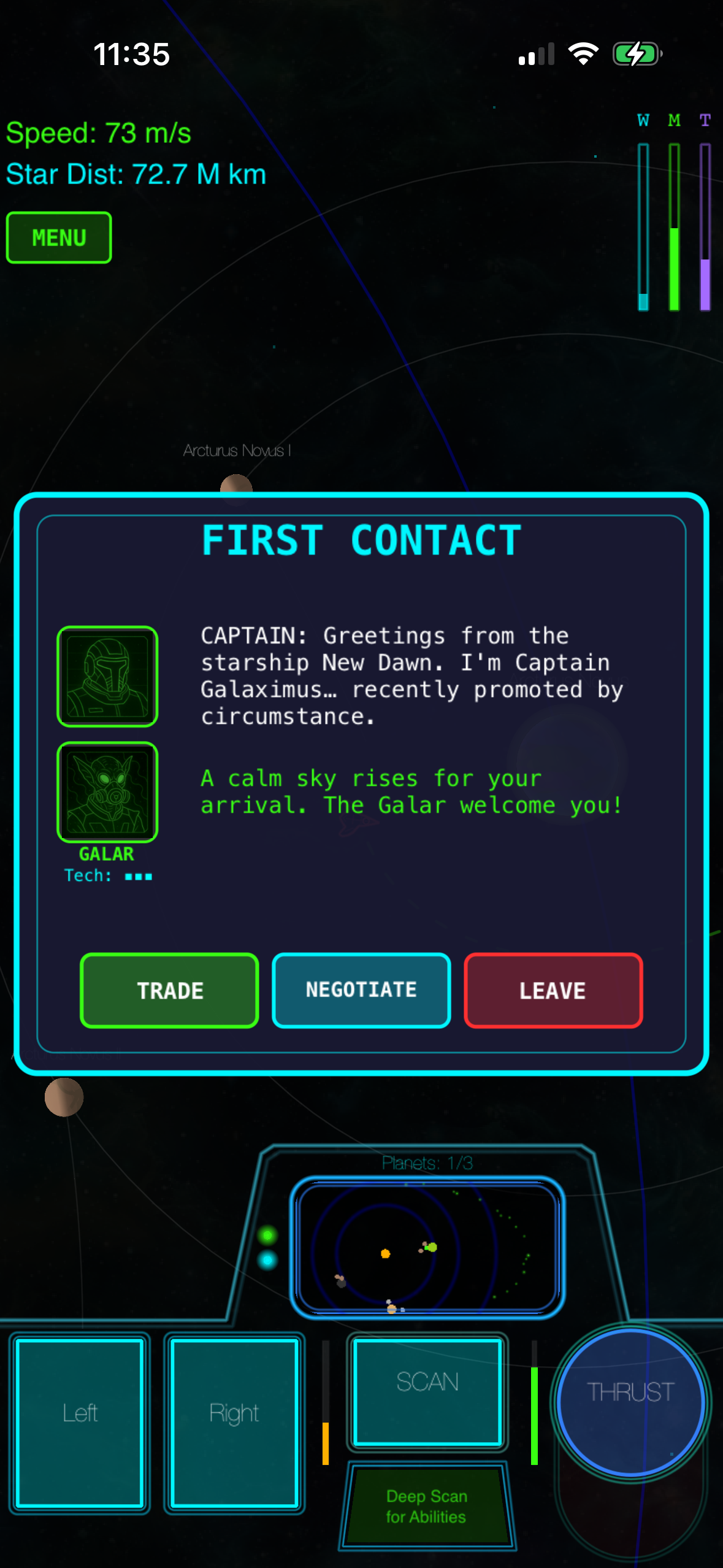
Kentucky Route Zero (, by Cardboard Computer) proves that mobile can handle serious narrative. It’s a magical-realist road-trip game about a truck driver delivering his final load before retirement. There’s no combat. No progression gates. Just atmosphere, dialogue, and the kind of writing that lingers after you’ve finished. The episodic structure means you can finish it in a few sessions, but the emotional weight suggests you’ll think about it longer.
The game trusts you to care about the story without gamifying your attention. No achievement pop-ups. No notifications. No reason to come back tomorrow except that you want to know what happens next.
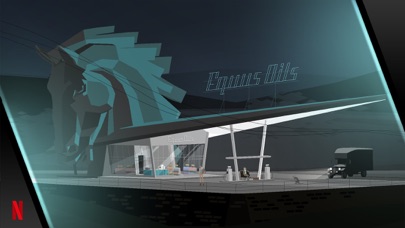
Alto’s Adventure (, by Snowman) is a minimalist endless-runner that’s less about high scores and more about the experience of riding a snowboard down a mountain at sunset. The visuals are deliberately simple—silhouettes, flat colors, a parallax scrolling background. But the animation is so smooth, the controls so responsive, that thirty seconds in you stop thinking about the game and start thinking about the rhythm of descent.
No ads. No IAP. No reason to play except that playing feels good. That’s craft.
Hidden Gems: Games That Deserve More Attention
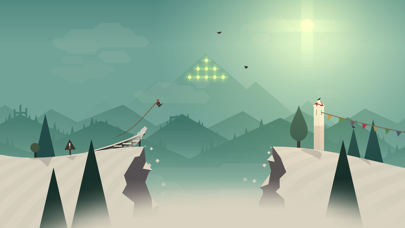
A Dark Room (, by Amir Rajan) is a text-based game that starts as a campfire in the darkness and evolves into something more complex. It’s deliberately sparse—no graphics, just text and atmosphere. But the way it unfolds, the way each new mechanic builds on the previous one, demonstrates a developer who understands pacing at a fundamental level. It’s short, it’s cheap, and it’s worth experiencing.
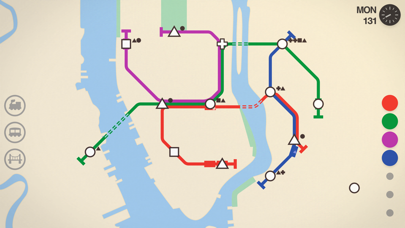
Mini Metro (, by Dinopoloclub) is a puzzle game about building subway systems. You draw lines connecting stations, and trains automatically route themselves. As the city grows, the puzzle deepens: you’re managing congestion, balancing line efficiency, deciding when to abandon old routes for new ones. The minimalist aesthetic—just lines and circles on a black background—makes the systems thinking visible without clutter.
No ads. No IAP. The kind of game that teaches you something about systems design while you’re playing it.
Why Premium Games Matter in 2026
The free-to-play model has optimized for engagement metrics, not player satisfaction. Energy timers, battle passes, seasonal FOMO—these are design decisions that serve the business, not the game. Premium games don’t have that conflict. They make money once, so every design decision can be about whether it makes the game better.
That alignment matters. A premium game’s success depends on word-of-mouth from satisfied players, not on extracting maximum lifetime value from whales. The incentives are clean.
On iPhone in 2026, premium games are increasingly rare. Developers chase the algorithm and the ad network revenue. But the ones who choose the premium path—who build a complete game and ask for a fair price—are often the most thoughtful developers on the platform. They’ve made a choice that signals something about their values.
If you’re tired of energy timers and battle passes, premium indie games are where you’ll find relief.
FAQ
Can I play these games offline?
Most yes, but check the App Store listing to be sure. Games like Mini Metro, Threes!, and A Dark Room work entirely offline. Games like Geometry Wars 3 require an internet connection to sync leaderboards but are fully playable offline otherwise. The listing will specify under “Requires Internet.”
Do these games have controller support?
Many do. Geometry Wars 3, Into the Breach, and Opus Magnum all support MFi controllers. If you prefer touch, all of them work fine that way too. Check the App Store listing under “Game Controller Support” to confirm before you buy.
Can I play these on an older iPhone?
Check the App Store listing for the minimum iOS version required. Most premium games are well-optimized, but newer titles may require iOS 16 or later. The listing shows the minimum version clearly.
Will these games get updates?
Some will, some won’t. Premium games don’t need live-service updates to stay profitable. Many developers ship a complete game and move on. Others add features over time. Either way, you’re not waiting for the next seasonal event to get content—what you buy is what you get.
Are these games worth the money compared to free-to-play?
If you value your time and attention, yes. A premium game costs you money once and then respects your agency. A free-to-play game costs you attention, patience, and often money anyway. The actual dollar amount is usually smaller on premium games ( range), and you get a complete experience instead of an endless progression treadmill.
The Case for Paying Once
Premium indie games on iPhone represent something increasingly rare: a bet that players will pay fair money for complete experiences. No monetization friction. No designed addiction. No algorithm optimizing for screen time instead of enjoyment.
The games listed here prove the model works. They’ve been built by developers who chose craft over scale, completion over live-service roadmaps, and player trust over engagement metrics. They’re not perfect—no game is—but they’re finished, they’re fair, and they respect the person holding the phone.
If you’ve been burned by free-to-play energy timers and battle pass FOMO, these games are the antidote. Pick one that matches your taste, spend the money once, and play something that was built with intention.


