Best iPhone Roguelike Games 2026: Procedural Depth & Replayability

Photo by Onur Binay on Unsplash
Best iPhone Roguelike Games 2026: Procedural Depth & Replayability
Roguelikes have become one of the most durable genres on iPhone because they solve a problem premium gaming faces: how do you justify repeated playthroughs of a game you’ve already paid for? The answer is procedural generation, permanent progression, and mechanics that reward mastery across runs rather than within a single session.
The best iPhone roguelikes in 2026 lean into what makes the format work on a phone: short runs you can complete in a commute, systems deep enough to keep you learning after 20+ playthroughs, and the kind of craft-built polish that makes dying feel like a lesson rather than a punishment. Here are the games that deliver on that promise.
Asteroids: Recharged — Arcade Action with Procedural Depth
The arcade lineage of Asteroids traces back to 1979, but Asteroids: Recharged respects that lineage while building a roguelike that works on modern hardware. Each run generates a new wave sequence with escalating difficulty, power-up placement, and asteroid patterns. You’re not memorizing a fixed gauntlet; you’re learning to read the procedural logic and adapt your positioning.
The twin-stick controls feel natural on iPhone, and the permanent progression system — unlocking new ships, modifiers, and difficulty mutators — gives you goals beyond a single high score. The physics model rewards patient positioning over twitch reflexes, which makes the game feel less punishing than classic Asteroids while keeping the skill ceiling high. Runs take 10–15 minutes, making it ideal for play sessions between other commitments.
Slay the Spire — Deck-Building Roguelike for Strategic Depth
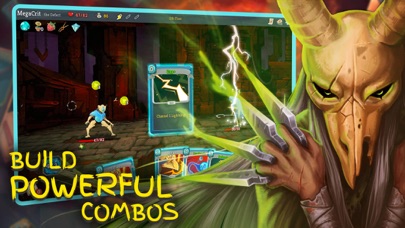
Slay the Spire is the gold standard for turn-based roguelikes on iPhone. You build a deck of cards as you climb a procedurally generated spire, and every card choice cascades into your strategy for upcoming fights. The genius is that no two runs feel the same because the pool of available cards, relics, and enemies changes with each playthrough.
The game rewards learning enemy patterns and understanding card synergies more than raw luck. You’ll lose runs to bad RNG, sure, but most losses teach you something about deck construction or risk assessment. The permanent progression system gates cards by ascension level, keeping the game fresh for hundreds of hours.
Hades — Hand-Drawn Action Roguelike with Narrative Momentum
Hades stands apart because it pairs roguelike mechanics with a narrative that unfolds across runs. You play as Zagreus, attempting escape from the underworld, and each death feeds story beats and character development rather than feeling like a setback. The hand-drawn art is stunning, and the fast-paced action combat feels responsive on iPhone despite the complexity.
Runs typically last 20–30 minutes, and the permanent progression system gates weapons by story progression, meaning you unlock new playstyles naturally as you advance. Hades is the roguelike that converts players who normally bounce off the genre because the narrative wrapper makes repetition feel intentional rather than punitive.
Darkest Dungeon — Stress Management and Permadeath Stakes
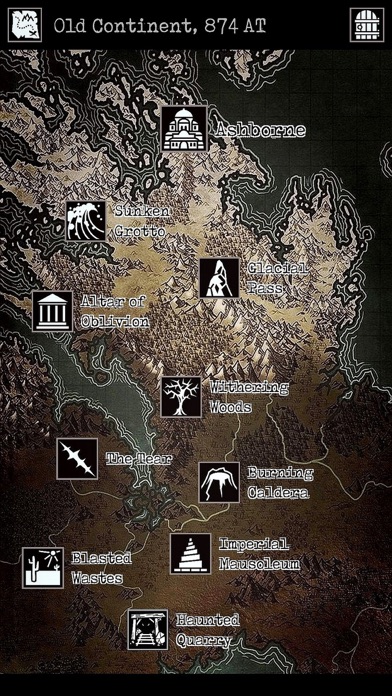
Darkest Dungeon inverts the typical roguelike formula: instead of a single hero getting stronger, you manage a roster of adventurers, each with quirks, stress levels, and permanent death risks. A character can die in a dungeon and be gone forever, which creates genuine tension even on easier difficulty settings.
The Victorian gothic aesthetic is distinctive, and the turn-based combat rewards positioning and ability timing over stats. The game’s difficulty curve is steep, but players who stick with it report that the stress-management layer (keeping your party’s morale up, managing sanity) becomes the real puzzle. Runs are longer than other roguelikes on this list (30–45 minutes), but the permadeath stakes and roster management give it a strategic weight that justifies the time investment.
FTL: Faster Than Light — Space-Themed Strategy Roguelike
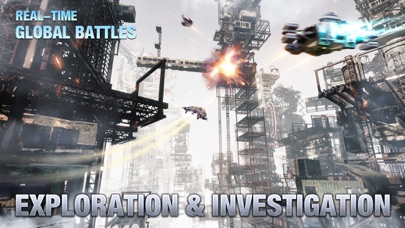
FTL is a real-time strategy roguelike where you pilot a spaceship through procedurally generated sectors, managing power distribution, crew positioning, and tactical decisions under constant pressure. Every run is a race: the enemy flagship is chasing you, and you have limited time to gather resources and upgrades before the final confrontation.
The game’s genius is that it’s easy to learn but brutally hard to master. Your first win might take 10+ attempts, but once you understand the meta (which upgrades matter most, how to prioritize crew skills), you’ll see why the community considers FTL one of the best-designed roguelikes ever made. Runs take 30–60 minutes depending on difficulty.
Peglin — Pachinko-Roguelike Hybrid with Surprising Depth
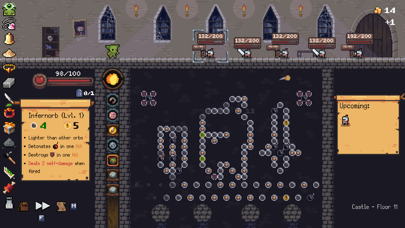
Peglin combines roguelike progression with pachinko physics, creating a game that looks deceptively simple but rewards mastery of angles, momentum, and resource management. You’re bouncing pegs down a board to hit enemies, and the procedural generation ensures no two board layouts are identical.
The turn-based pacing means you can take your time with each shot, and the permanent progression system (weapon unlocks, orb modifiers, special abilities) keeps runs feeling fresh. Peglin appeals to players who find traditional roguelikes overwhelming because the core loop is intuitive (aim, bounce, resolve) but the strategy layer (which orbs to equip, when to use special abilities) has real depth. Pricing ranges from depending on platform.
Vampire Survivors — Wave-Based Survival Roguelike with Minimal Input
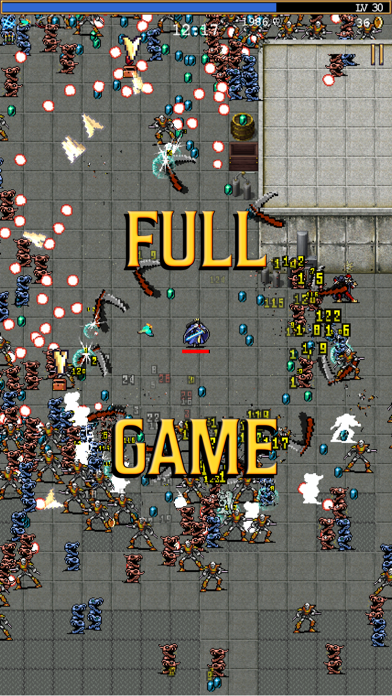
Vampire Survivors is a bullet-hell survival roguelike that strips away traditional controls: you move your character, and weapons fire automatically. The challenge comes from positioning, ability selection, and managing the increasing hordes of enemies as your character grows more powerful across a run. Unlike traditional roguelikes, this is a wave-survival game where you’re not defeating a final boss but surviving escalating enemy density.
The game’s appeal is that it’s relaxing while still requiring attention. Runs last 15–30 minutes, and the permanent progression (unlocking new characters, weapons, and map modifiers) is generous enough that you feel constant forward momentum. Vampire Survivors is the roguelike for players who want the replayability and progression without the mechanical stress of twitch-based combat.
FAQ
Which roguelike has the steepest learning curve? FTL and Darkest Dungeon both demand patience. FTL requires understanding upgrade priorities and enemy patterns; Darkest Dungeon requires learning stress mechanics and roster management. Expect 5–10 failed runs before your first win on either.
Can I pause mid-run? Yes. All games on this list allow pausing except Vampire Survivors (which is real-time but forgiving). Slay the Spire, Peglin, and Darkest Dungeon are fully turn-based, so you can take as long as you need per decision.
Do these games require internet? No. All are fully playable offline. None require online connectivity or multiplayer.
Which roguelike is best for beginners? Start with Vampire Survivors or Peglin. Both have intuitive core loops (move + auto-fire, or aim and bounce) and generous progression systems. Slay the Spire is also beginner-friendly if you enjoy turn-based strategy.
How much do these cost? Prices range from (Asteroids: Recharged, Darkest Dungeon) to (Hades). Slay the Spire and FTL are. Peglin ranges. Vampire Survivors is.
Can I play these on a phone without a controller? Yes. All the games on this list are optimized for touch controls. Some (like FTL and Slay the Spire) benefit from a larger screen, but they’re fully playable on iPhone.
The Roguelike Format on iPhone: Why It Works
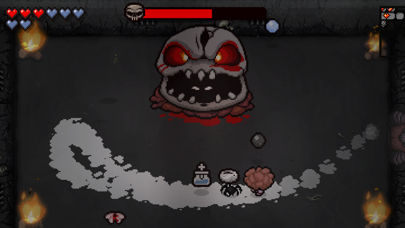
Roguelikes thrive on iPhone because the format respects the device’s constraints. You don’t need a 40-hour campaign or always-online connectivity. You need systems deep enough to reward mastery, progression that makes repetition feel meaningful, and runs short enough to fit into a commute or lunch break.
The games on this list succeed because they understand that replayability on a phone isn’t about grinding the same content; it’s about discovering new strategies, unlocking new tools, and learning to read the procedural logic beneath the surface. That’s craft-built game design, and it’s worth paying for.


