Best One-Time Purchase iPhone Games: No Subscriptions Required

Photo by Daniel Romero on Unsplash
Best One-Time Purchase iPhone Games: No Subscriptions Required
The App Store is drowning in free-to-play games designed to extract money through energy timers, battle passes, and seasonal cosmetics. If you want to buy a game once, own it completely, and never see a subscription prompt again, the signal-to-noise ratio is brutal.
This guide cuts through that noise. We’ve selected premium iPhone games — true one-time purchases, no ads, no in-app purchases, no Apple Arcade requirement — that respect your time and your wallet. These are carefully designed titles from indie developers and smaller studios that prove you don’t need a live-service model to make something worth playing in 2026.
Why One-Time Purchase Games Matter
The premium-purchase model is nearly extinct on mobile. Most App Store success stories now run on battle passes, seasonal events, and daily login bonuses. That’s not a moral failing — it’s how live-service economics work. But it means players who want to buy a game, finish it, and move on have to search harder.
One-time purchases solve a real problem: they end the negotiation between you and the developer’s monetization strategy. You pay once. You own the full game. No surprise ads in level 15. No “come back tomorrow” timers. No feeling of pressure to spend more because the free version is deliberately grinchy.
For indie developers, this model also means they’re competing on craft, not on how well they can manipulate retention metrics. A one-time-purchase game lives or dies on whether it’s actually good.
Arcade-Lineage Games Worth Your Money
If you grew up with quarter-fed arcade cabinets or emulated them later, these games respect that heritage while building something new.
Asteroids-Inspired Titles
The asteroid-blasting format has spawned dozens of iPhone clones, most forgettable. The ones worth buying lean into either physics depth or visual precision.
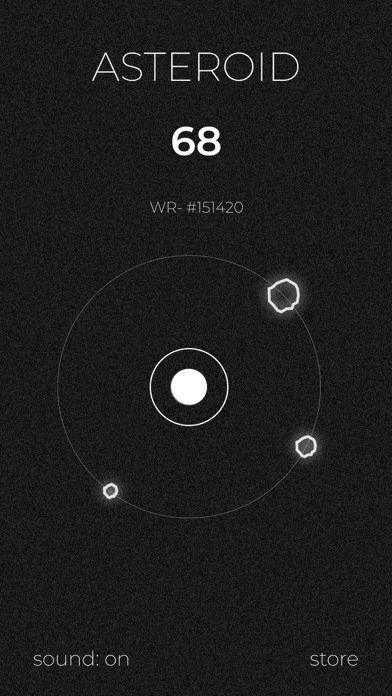
This one strips the format down to essentials: your ship, rocks, and the physics of momentum and rotation. No power-ups, no special modes. The control scheme (tap to rotate, swipe to thrust) translates the arcade cabinet’s analog stick into something that works on a touchscreen without feeling like a compromise. The economy of design is evident: every mechanic — rotation, thrust, inertia — serves the core challenge of positioning yourself to fire accurately while managing momentum. Players report the game rewards positioning and patience over reflexes.
A more modern take that layers geometry-based visuals onto arcade-action bones. The 3D perspective and enemy variety push well past what the original 1979 Asteroids could do, but the core loop — survive, score, repeat — stays intact. The game respects skill rather than time investment, with a difficulty curve that’s steep but fair.
Space and Sci-Fi Games
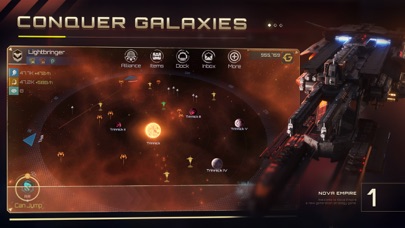
Space games on iPhone run the spectrum from arcade action to strategic slow-burn. The best paid versions cut the ads and the IAP entirely.
A lunar-lander game where you descend a module to the surface without running out of fuel or crashing. The craft here is in the pacing: the game is short (15–20 minutes per run), but each attempt teaches you something about fuel conservation and angle management. Every mechanic — descent rate, fuel consumption, landing zone — works together to create a coherent challenge. Players report it’s easy to pick up and difficult to master, which is the arcade ideal.
A physics-based orbital mechanics game where you place objects in space and watch them interact gravitationally. The game has no explicit goal — it’s a sandbox for experimenting with physics. What makes it valuable is the precision: gravity calculations are accurate, and the visual feedback is immediate. You learn orbital mechanics by playing, not by reading a tutorial. This is design through constraint: the game teaches by letting you fail and observe the consequences.
Craft-Built Indie Titles
These games don’t fit neatly into a genre bucket. What they share is careful design — the kind that only happens when a developer prioritizes the experience over monetization.
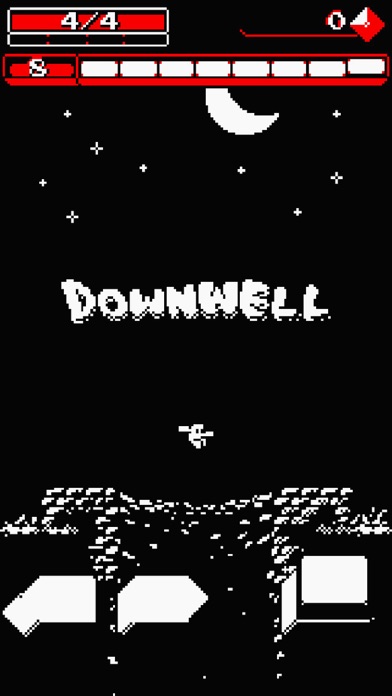
A vertical roguelike where you fall down a well, shooting enemies on the way. The premise is simple; the execution is meticulous. Every visual element serves a purpose: the red-and-black color scheme makes enemies instantly readable, the gun-kick mechanic ties shooting to movement, and the short run length (10–15 minutes) respects your time. Players praise the tight controls and fair difficulty scaling.
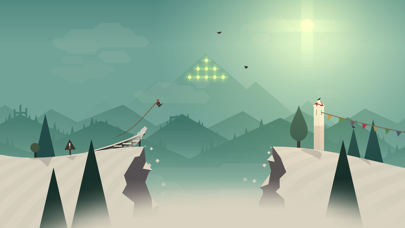
An endless runner that feels less like a game and more like a short film you’re guiding through. You slide down procedurally generated slopes, collect coins, and occasionally jump over obstacles. What makes it special is the restraint: there are no power-ups, no ads, no pressure. The minimalist desert landscape and soundtrack anchor the whole experience. Players report using it during commutes or before bed as a way to decompress rather than as a competitive challenge.
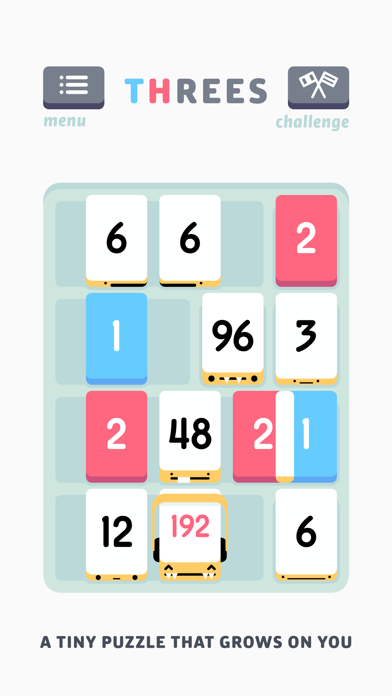
A sliding-block puzzle where you combine numbered tiles to reach 2048. The mechanic is simple; the strategic depth is surprising. The game teaches you to think two or three moves ahead, and it punishes greedy play. Each tile placement has consequences that ripple across the board. It’s the kind of game that’s easy to start, impossible to master, and endlessly replayable.
Retro-Aesthetic Games
Vector graphics, CRT-inspired scanlines, synthwave soundtracks — these games wear their retro inspiration openly, but they’re built with modern design sensibility.

A voxel-based space shooter with a vector-art aesthetic. The minimalist visuals hide surprising depth: you’re managing heat, ammo, and positioning simultaneously. The game respects your intelligence — it doesn’t hold your hand, but it’s fair. The chiptune-inspired soundtrack completes the retro vibe without feeling ironic.
A pixel-art roguelike with a heavy synthwave aesthetic. You descend through procedurally generated levels, collecting weapons and power-ups. The game’s strength is in its weapon variety — there are dozens of combinations, and each one changes how you approach combat. The pixel art is sharp and colorful, and the soundtrack matches the neon-abyss premise.
Games That Respect Your Time
Some of the best one-time-purchase games are short by design. They know you’re not going to sink 100 hours, and they’re built to deliver value in 5–20 hours instead.
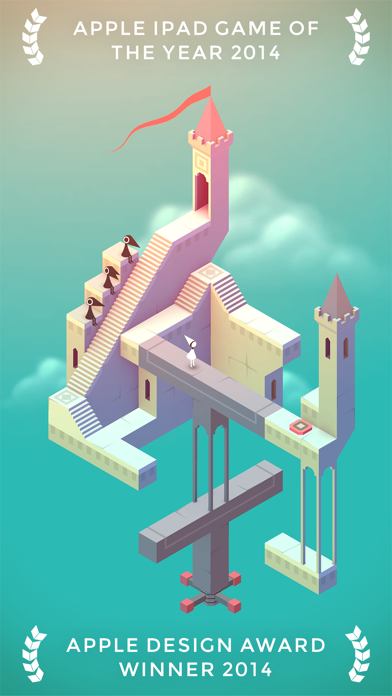
A puzzle game disguised as a walking simulator. You guide a figure through impossible architecture, rotating and manipulating the world to create paths forward. The game is short (2–3 hours), beautiful, and emotionally resonant in a way most games aren’t. It’s the kind of game you finish and immediately want to recommend to someone else. The sequel, Monument Valley 2 , is equally excellent and equally brief.
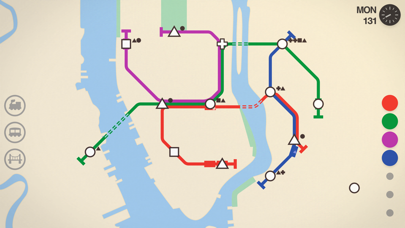
A strategy game where you design subway lines. You place stations, draw connections, and watch passengers flow through your network. The game accelerates over time, forcing you to optimize and rebuild. A single session lasts 20–30 minutes, but the game is endlessly replayable because each run is different. It’s meditative and challenging simultaneously.
Controller-Compatible Premium Games
If you play with a gamepad, the selection of premium games expands significantly. MFi (Made for iPhone) controllers unlock games that feel closer to console experiences.
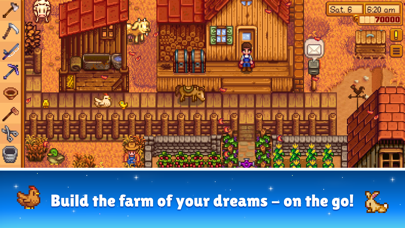
The farming sim that started on PC and has since arrived on iPhone with full controller support. You manage a farm, befriend villagers, and explore a mine. The controller version is the best way to play on mobile — it feels less cramped than touchscreen controls. Casual players report 40–60 hours of gameplay; completionists reach 100+ hours. The game is deep but never demands more than you want to give. For the price, it’s a complete farming-life simulator.
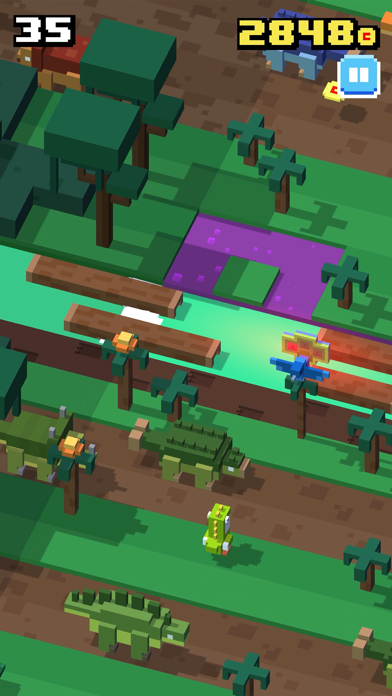
A voxel-based endless-runner with a roguelike structure. You navigate obstacles and enemies, collecting coins and unlocking characters. The game is charming, difficult, and endlessly replayable. The one-time purchase gets you the full game with no ads or energy timers. (Note: a free version with ads exists; the paid version removes them entirely.)
Budget-Tier Gems
Not all great games cost premium-tier prices. These deliver value at sub- price points.
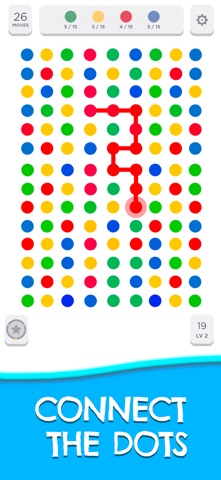
A minimalist puzzle game where you connect colored dots to clear them from the board. The mechanic is simple; the strategy is complex. The game is easy to learn and difficult to master, with daily challenges that keep players coming back. For the price, it offers surprising depth.
(See above for full description.) The most affordable game on this list, and one of the most replayable.
FAQ
Q: How much do these games typically cost? Most range from to. Stardew Valley is the premium outlier at. All prices listed in game descriptions above.
Q: Can I refund a game if I don’t like it? Apple allows refunds within 14 days of purchase if you request one through the App Store. Go to Settings > [Your Name] > Media & Purchases > Purchase History, find the game, and tap “Report a Problem.” You can request a refund without explanation.
Q: Are these games available offline? Most yes, with caveats. Asteroids+, Downwell, Monument Valley, and Threes! work entirely offline. Games like Mini Metro benefit from internet data but can play offline once loaded. Check the App Store listing for specifics.
Q: Will these games get updates? Some will, some won’t. Developers of one-time-purchase games are less incentivized to push constant updates than live-service teams. That’s not a flaw — it means the game you buy today is the game you’ll play in a year. A few (Stardew Valley, Monument Valley) have received substantial post-launch updates.
Q: Do I need an Apple Arcade subscription? No. None of these games require Apple Arcade. Some are also available on Apple Arcade, but the one-time purchase option exists independently.
Q: Why is the App Store full of “premium” games that still have ads? Because the App Store’s definition of “premium” is loose. A game can be labeled “premium” and still contain ads as long as you’re not forced to watch them. We use “premium” to mean: pay once, no ads, no IAP. If a game doesn’t meet all three, we don’t include it.
Q: Can I play these with a controller? Most have controller support; a few don’t. Check the App Store listing under “Requires controller” or search for “MFi” in the description. Games like Stardew Valley, Geometry Wars 3, and the Asteroids+ series have robust controller support. Touchscreen-only games like Monument Valley and Threes! work fine without one.
The One-Time Purchase Advantage
Buying a game once and owning it forever is a radical act in 2026. It means the developer’s success depends entirely on whether the game is good, not on how well they can manipulate your dopamine system.
The games in this guide prove that the model still works. They’re not all blockbusters, but they’re all genuinely worth your money — and worth your time. Pick one that matches your taste, buy it, and play without guilt.