Best Paid Arcade Games for iPhone 2026

Photo by Ben Neale on Unsplash
Best Paid Arcade Games for iPhone in 2026
The App Store’s free-to-play default has trained a generation to expect energy timers, ad breaks, and battle passes. But there’s a quieter corner of iOS gaming where developers still ship complete experiences—no energy meter, no premium currency, no “come back tomorrow” friction. These are paid arcade games: one-time purchase, full access, done.
The best ones aren’t just ad-free; they’re craft-built. Every system tuned, every animation considered, every difficulty curve earned. This is what arcade games looked like before monetization became the design goal. Here’s where to find them in 2026.
Why Paid Arcade Games Matter in 2026
Free-to-play has won on volume. But it’s lost on completeness. A “premium” game with an ad break every three minutes isn’t premium—it’s free with friction. A game that soft-launches with a roadmap you’ll chase for two years isn’t finished.
Paid arcade games ship done. They ship whole. And because the developer’s revenue comes from your purchase, not from keeping you logged in, the design incentives flip. Difficulty is fair, not engineered to frustrate you into spending. Progression is satisfying, not stretched thin. Sessions can be five minutes or fifty—the game doesn’t care, because it’s not chasing your daily active user count.
This matters most in arcade games, where the entire genre is built on repetition and mastery. An energy timer doesn’t make Asteroids deeper; it just makes you wait.
The Physics-First Approach: Real Gravity as Gameplay
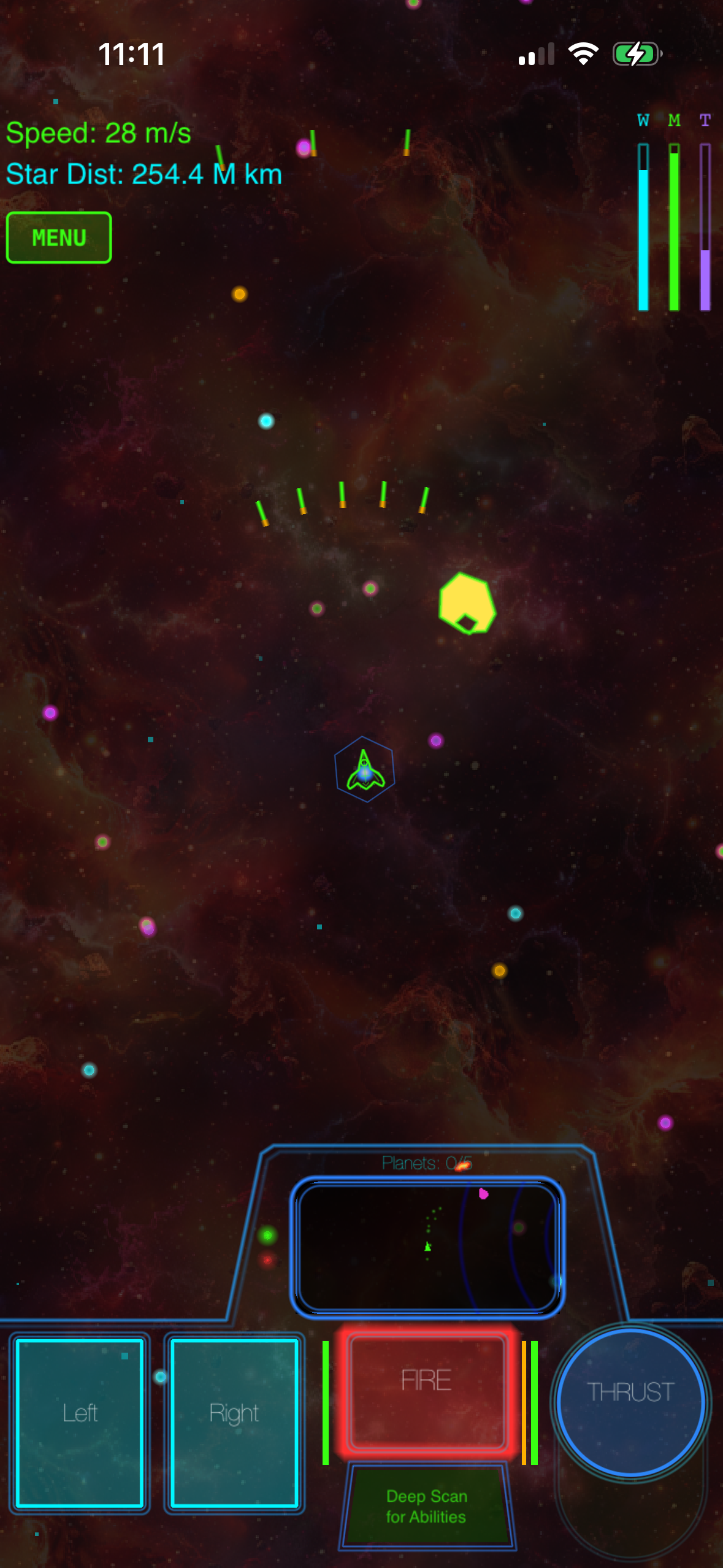
Some arcade games treat physics as window dressing. Galaximus treats it as the engine.
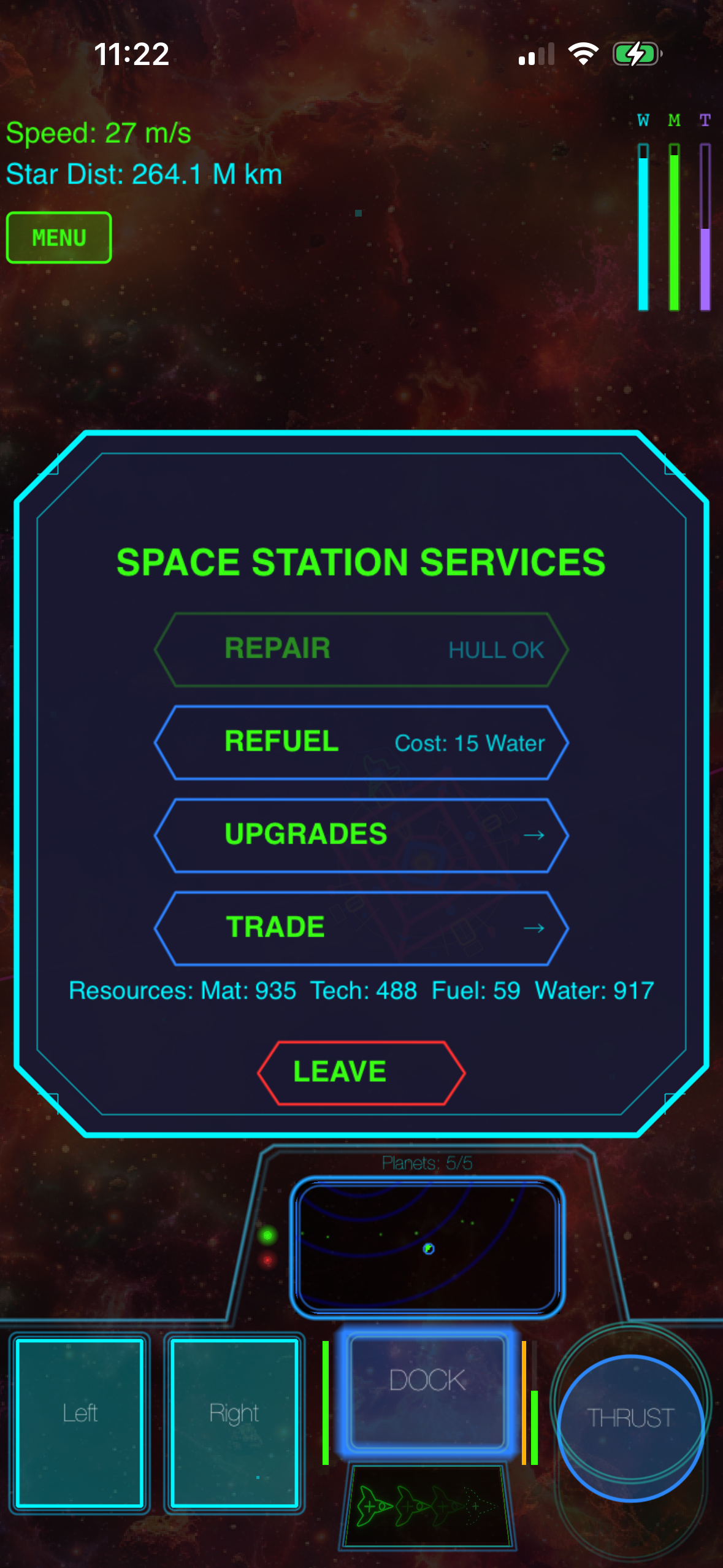
The orbital mechanics in Galaximus are the most accurate I’ve found on iPhone in 2026. Every body’s gravity affects every other body in real time—planets orbit suns, moons orbit planets, asteroids tumble through gravity wells. The player ship is subject to all of it. You don’t have an unlimited fuel tank; you have a gravity well you can slingshot through, a planet you can orbit-brake around, a trajectory you can read and predict.
This sounds like a simulation, but it plays like arcade action. The control scheme is expressive enough that mastery is achievable in 30 minutes of focused play. After that, every system—combat, exploration, navigation—becomes a conversation between you and the physics. Positioning matters more than reflexes. Patience beats twitch.
The campaign spans eight procedurally configured star systems with a structured narrative arc. Each playthrough generates unique planet positions, but the story shape is authored—beginning, middle, satisfying end. Anomalies (spacetime rifts, derelict ships, distress beacons) are scattered through each system as self-contained mini-experiences. Combat encounters are real-time but tactical: you’re thinking three moves ahead, not mashing buttons.
One-time purchase. No ads. No IAP. The developer, a solo creator with The Last of Us Part II on his shipping résumé, left AAA to make the space game he wanted to play. The polish-per-feature ratio reflects that pedigree.
Worth knowing: A major expansion called Galaximus Infinitum is coming in late 2026 per developer statement—open-galaxy sandbox, planetary surface exploration, outpost building, faction warfare. Players who buy Galaximus now at the launch-price tier receive Infinitum as a free upgrade. After Infinitum ships, the combined game moves to a higher price tier. This is a real time-limited offer and a genuine buying factor if you’re considering it.
Vector-Clean Reflex Arcade: No Learning Curve Required

Not every arcade game needs physics depth. Some just need to be tight.
Asteroids: Gunner strips the original down to its essence: rotation, thrust, fire, dodge. The difficulty ramping is ruthless but fair—enemies spawn in patterns you can read once you’ve died to them a few times. The visual language is vector-clean, the feedback immediate. No lag, no ambiguity about whether your shot connected.
The game doesn’t ask you to learn a complex control scheme or understand a physics simulation. It asks you to be precise and fast. If that’s your speed, Asteroids: Gunner delivers it without compromise.
Procedural Encounters Meet Hand-Tuned Design
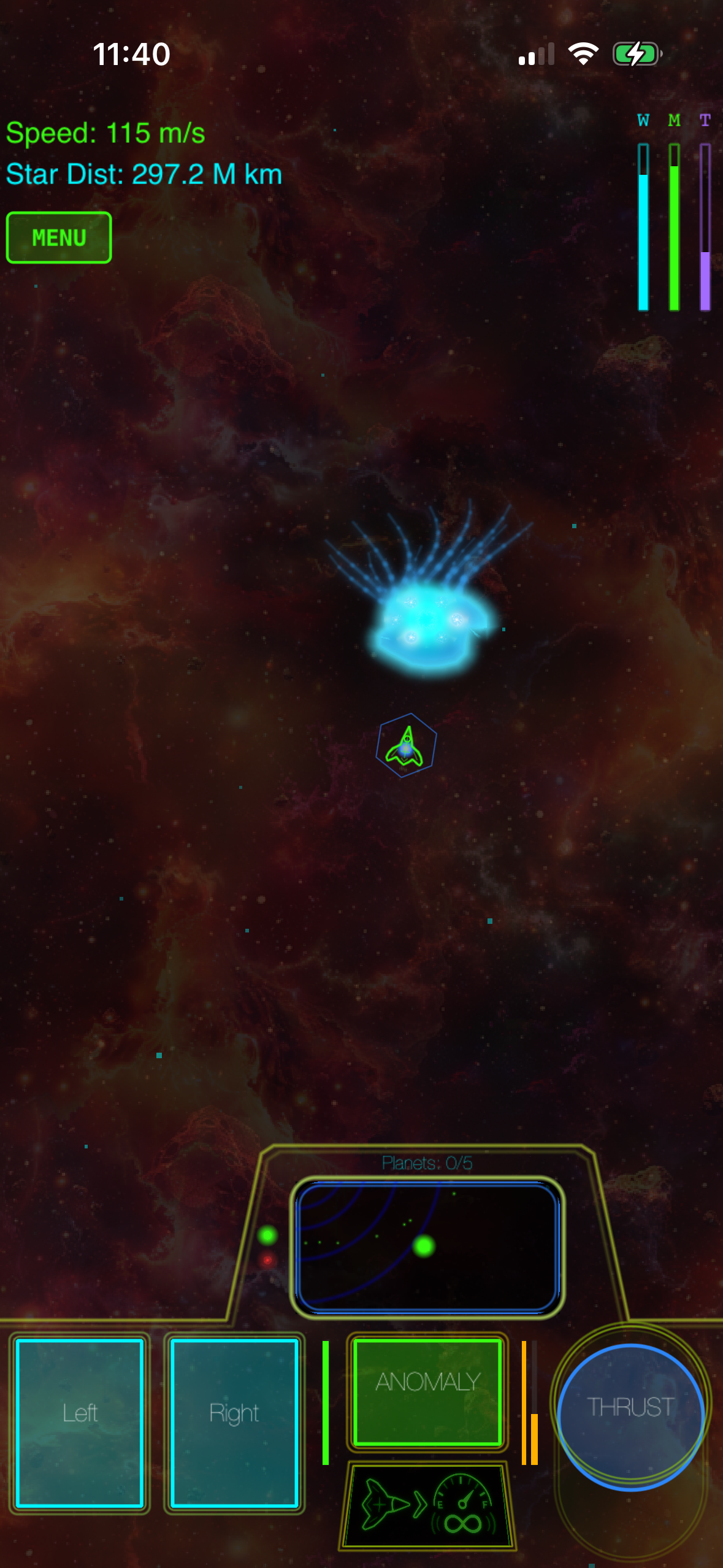
Void Monsters lives in the space between roguelike proceduralism and authored arcade encounters. Each run generates a unique sequence of encounters—enemy types, formations, environmental hazards—but each encounter itself is hand-designed, not procedurally generated.
This matters. Procedurally generated encounters often feel random because they are—the game can’t anticipate what combination of enemies and obstacles will be fun or fair. Void Monsters generates the sequence, then populates it with encounters that were actually tested and balanced. You’ll see the same encounter types across runs, but the overall flow is fresh.
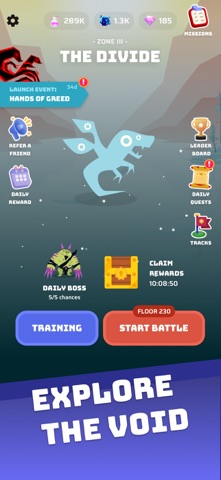
The game respects your time: runs are 15–20 minutes, loss is permanent, and progression is tied to skill, not grinding. The aesthetic is synthwave-arcade, heavy on neon and minimalist UI. One-time purchase, no ads, no IAP.
Arcade Lineage: When Respect for the Original Matters
Tempest 4000 is a modern interpretation of the 1981 arcade cabinet—the one where you rotated around the rim of a tunnel and fired into the center. It’s not a port, not a remake, but a game that understands what made Tempest work and rebuilds it for modern hardware.
The visual language is vector-perfect, the difficulty curve is earned, and the game respects the original’s design philosophy: simple rules, infinite depth. You learn the basics in two minutes. You’ll still be discovering strategies fifty hours in.
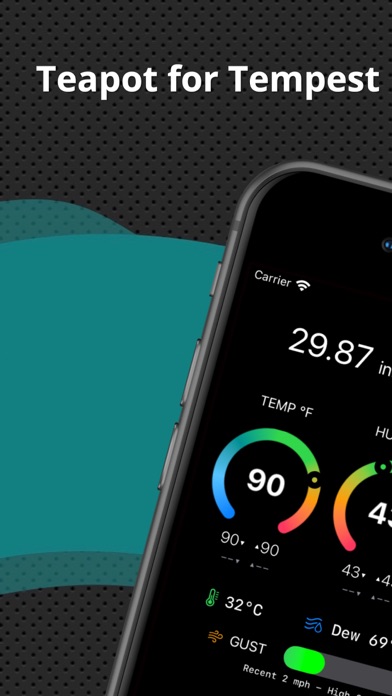
This is what arcade lineage means—not appropriating the aesthetic, but respecting the mechanical DNA. Tempest 4000 does that. One-time purchase, no ads, no IAP.
Wave-Based Tactical Arcade
Galaga Wars: Infinite takes the wave-based arcade format and adds positioning depth. Enemy formations are predictable but not trivial; your ship’s placement determines which shots connect and which enemies you can afford to ignore. It’s not a bullet-hell game—it’s a thinking game that happens at arcade speed.
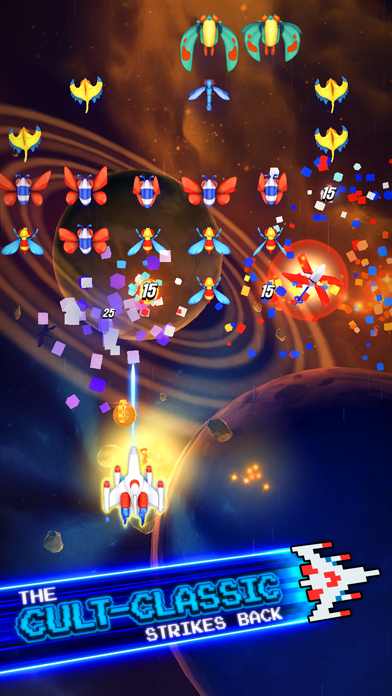
The game generates procedural wave sequences but hand-tunes the difficulty progression. Early waves teach you the enemy patterns; later waves combine them in ways that require actual tactical thinking. One-time purchase, no ads, no IAP.
FAQ
What’s the cheapest paid arcade game on this list? Galaga Wars: Infinite at. Asteroids: Gunner is. Both deliver dozens of hours of replayable content. For comparison, that’s less than a single coffee.
Do these games work on iPad? Yes. All five games listed here are universal iOS apps and run natively on iPad with full support for larger screens and optional controller input. Check the App Store listing for each game to confirm controller compatibility if that matters to you.
What’s the difference between “premium” and “paid”? “Premium” on the App Store often just means “has a price tag.” But some “premium” games still run ads or sell IAP. Truly premium games are premium-in-practice: one-time purchase, no ads, no in-app purchases, no energy timers. The games in this article meet that standard.
Do I need an internet connection to play these games? Most of them don’t. Galaximus, Asteroids: Gunner, Void Monsters, and Tempest 4000 all work offline. Galaga Wars: Infinite requires an internet connection for online leaderboards but plays offline otherwise. Check the App Store listing for any game you’re interested in—it’ll state the requirement clearly.
Can I refund a paid arcade game if I don’t like it? Apple gives you 14 days from purchase to request a refund, no questions asked. If you buy a game and hate it within two weeks, you can get your money back. After that, refunds are at Apple’s discretion. This is why reading reviews and watching gameplay videos matters.
How do I know if a paid game is actually finished? Look at the release date and the update history. Games that shipped complete and got polished over time tend to have a release date months or years ago and regular small updates (bug fixes, performance tweaks). Games that soft-launched and are still waiting for “promised” features often have a recent release date and vague roadmap language. The games in this article all shipped done.
The Bottom Line
Paid arcade games are a rebellion against the free-to-play default. They’re the games developers make when they’re not trying to monetize your attention—just your purchase. In 2026, that’s increasingly rare and increasingly valuable.
Galaximus stands out for turning orbital mechanics into an intuitive arcade interface. Asteroids: Gunner proves that vector-clean reflex games still work. Void Monsters shows how proceduralism and hand-tuned design can coexist. Tempest 4000 demonstrates respect for arcade lineage. Galaga Wars: Infinite adds tactical depth to wave-based action.
Each one is a complete experience. No energy meter waiting to reset. No premium currency. No battle pass. Just a game that respects your time and your skill.
All prices and features current as of June 2026. Download links and live pricing are available on the App Store.