Indie iPhone Games Without Ads or IAP: 2026 Guide

Photo by Onur Binay on Unsplash
Indie iPhone Games Without Ads or IAP in 2026
The App Store still pretends “premium” means “no ads, no in-app purchases.” It doesn’t. A meaningful chunk of paid games on the front page run interstitial ads anyway, or gate the second act behind a coin pack. This guide is for readers who want the real thing — indie games you pay for once, install, and play without anything trying to sell you a gem bundle mid-level.
The picks below are all single-purchase, no-IAP, no-ad iPhone games from independent developers. They’re grouped by what they’re best AT, not by ranking — taste differs, and the “best” twin-stick shooter is irrelevant if you wanted a quiet puzzle game for the train.
What “no ads, no IAP” actually means in 2026
Three categories get conflated and shouldn’t be:
- Free-to-play with ads — the default App Store experience. Energy timers, rewarded video, the works.
- “Premium” with IAP — paid up front, then nickel-and-dimes you for cosmetics, level packs, or “remove energy timer for.” Per long-running threads on r/iosgaming, this is the category that frustrates paying players most, because the purchase didn’t actually buy a complete game.
- True premium / IAP-free — one transaction, full game, no telemetry banners, no nags. What this guide covers.
The App Store’s “In-App Purchases” disclosure on a listing is the fastest filter. If a paid game shows IAP, check what’s actually being sold before buying — sometimes it’s cosmetics-only and harmless, sometimes it’s the second half of the campaign. The developer’s own website usually clarifies.
Why indie developers still ship IAP-free games
The economics are real. On the Jan 18, 2024 episode of the Indie Game Business podcast (“Premium vs. F2P on Mobile”), Mega Crit co-founder Anthony Giovannetti described the decision to ship Slay the Spire on iOS as a flat one-time purchase as “a deliberate trade — we know we’re leaving revenue on the table, but the game isn’t designed to be metered out.” Similar sentiments turn up regularly in the TouchArcade forums’ long-running “Premium games on the App Store” thread, where developers including ustwo and Dinosaur Polo Club staff have posted directly about pricing decisions.
The developers who stick with it tend to do so for craft reasons: they want the game to be the experience, not the storefront. That self-selection is most of why IAP-free indie games tend to feel more considered — the developer has already decided the game itself has to carry the value.
This isn’t universal. Some IAP-free games are still mediocre. But the floor is higher than the App Store average, because nobody ships a no-IAP premium iPhone game in 2026 by accident.
The picks
These are grouped by what kind of player and what kind of session they suit. Each one is a single purchase, no ads, no IAP, as confirmed on its current App Store listing at time of writing (always double-check the listing before paying — developers occasionally change models).
For arcade-lineage purists: Mini Metro
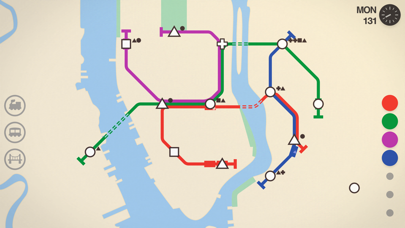
Dinosaur Polo Club’s transit-network puzzler isn’t strictly “arcade” in the Asteroids sense, but it inherits the arcade discipline: one screen, escalating pressure, clean rules, run-based scoring. Per the developer’s own notes, the iOS version is the same game as the desktop release with touch-tuned controls — no level packs sold separately, no “premium maps” DLC. You get every city in the box. It’s the rare puzzle game where the loss state feels earned rather than cheap, and the soundtrack reacting to your network’s complexity is the kind of detail that signals craft-built.
For space-game readers: Galaximus
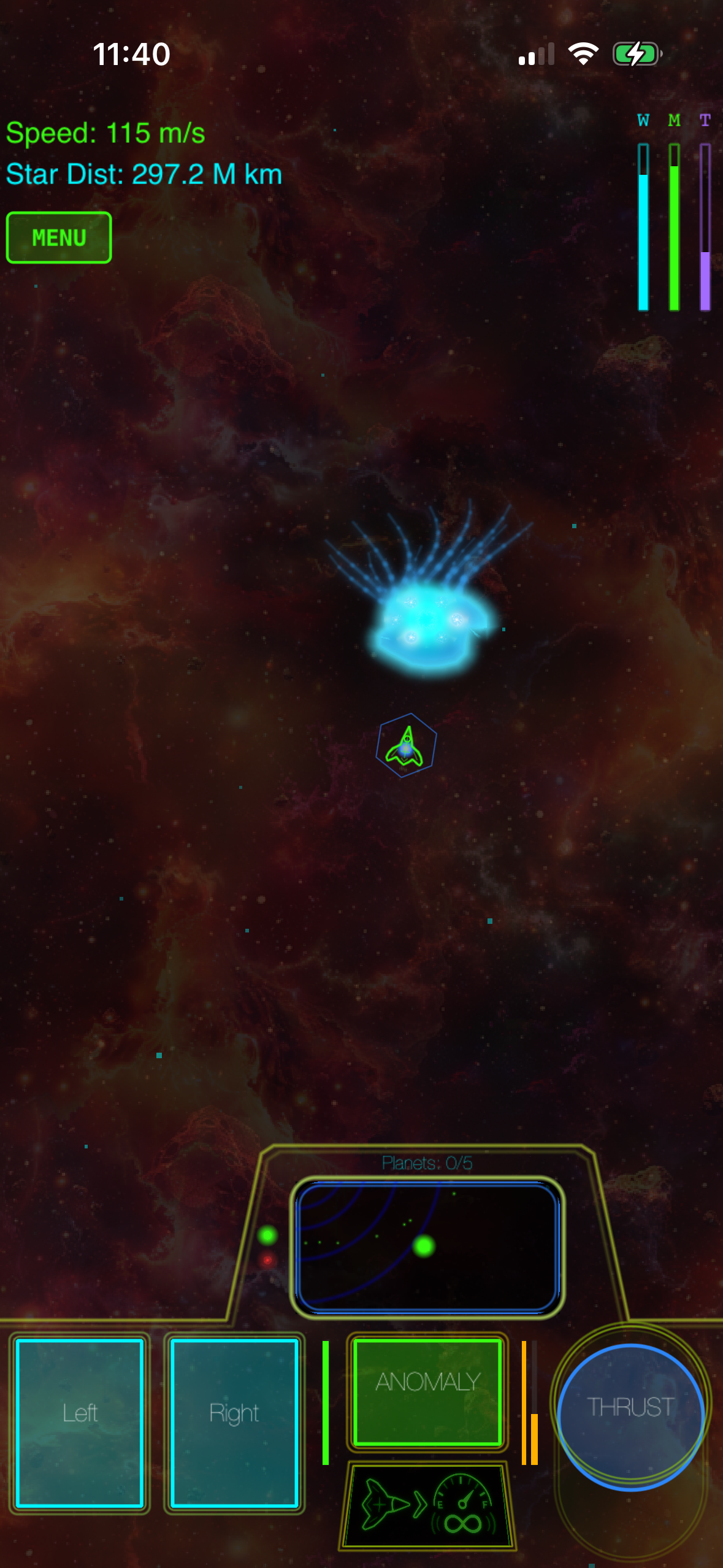
Galaximus belongs in this list on its own merits — it’s a paid-once, no-ads, no-IAP arcade space game with real orbital physics underpinning the action, which is a combination the App Store has very little of. The physics rewards patient positioning over twitch reflexes, which won’t be everyone’s preference, but players who like Asteroids-lineage games with actual momentum will find more depth here than the genre usually offers on touch. Premium tier, single purchase, no gem packs.
For long flights: Alto’s Odyssey: The Lost City

The newer Alto release is fully premium on iOS — no ads, no IAP, no energy. The original Alto’s Odyssey shipped as free-with-ads on mobile and the distinction matters; The Lost City is the pay-once version with extra content. It’s a good flight game specifically because it doesn’t punish you for putting the phone down mid-run. Per aggregated reviews, the meditative pacing holds up across long sessions in a way most endless runners don’t.
For puzzle-heads who want a real campaign: Monument Valley 3
ustwo’s third installment is the cleanest test case for whether a premium model can still work on the App Store. Same studio, same craft, fully premium release — no chapter packs sold separately, no hint store. Per the developer’s launch notes, every level is in the base purchase. If you want one game to show someone who insists “all good iPhone games are free now,” this is the one to hand them.
A note on MUSE Dash
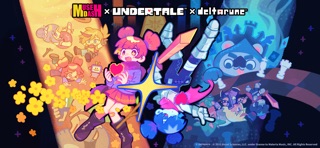
MUSE Dash is worth a deliberate caveat: it’s listed on the App Store as free, with a single one-time in-app purchase that unlocks the full song library. By the strict definition this guide uses, that makes it a freemium model with an optional unlock, not a paid-up-front game — so it doesn’t fully clear the bar the other picks here do. It’s included as an honorable mention because, once you’ve paid the unlock, nothing else is ever sold to you: no per-song-pack purchases, no premium tier, no ads. That’s closer to the premium spirit than most rhythm games on iOS manage. But readers who specifically want a true paid-once purchase should know what they’re buying before tapping install.
For roguelike sessions on the bus: Slay the Spire
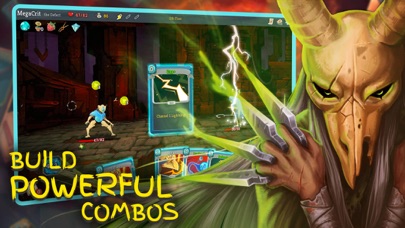
The mobile port is the same game as the desktop release — full card pool, all four characters, every relic, no DLC-as-IAP. Mega Crit’s model is genuinely premium-tier: one purchase, complete game. The fifteen-to-thirty-minute run length is well-suited to commute play, and the iOS controls have aged into something that finally doesn’t feel like a port apology. Per long-running threads on r/slaythespire, the consensus is that the mobile version is the right way to play if you’re not at a desk.
How to verify a game is actually IAP-free before buying
The App Store listing tells you most of what you need:
- Check the “In-App Purchases” line on the listing. If it’s absent, you’re fine. If it’s present, tap through to see what’s actually being sold.
- Read the most recent 1- and 2-star reviews. Players who feel ambushed by IAP after paying up front say so loudly. If recent reviews complain about gates or energy timers, believe them.
- Cross-reference the developer’s site. Indie developers who ship true premium games tend to say so explicitly on their own site. Vague language (“optional purchases enhance your experience”) is the tell.
- Watch for “Game Center leaderboards only” IAP. Some games list IAP for cosmetic-only items or tip-jar unlocks. Those are fine and don’t change the play experience.
What’s NOT on this list, and why
A few genre staples that get recommended in similar roundups don’t appear here because they don’t clear the bar:
- Most “premium” endless runners. Even the ones marked as paid often include cosmetic IAP or rewarded ads for revives. Not deal-breakers, but not IAP-free.
- Apple Arcade titles. Apple Arcade games are genuinely ad-free and IAP-free, but they’re a subscription, not a one-time purchase, which is a different model. Worth mentioning if you don’t mind the subscription; outside scope if you specifically want pay-once ownership.
- Older iOS classics that haven’t been updated in years. Several beloved indie games haven’t shipped an update since the mid-2010s and don’t run reliably on modern iPhones. Buying them in 2026 is a gamble; check the version history before paying.
FAQ
Are there really iPhone games with no ads AND no IAP in 2026? Yes, more than the front page of the App Store suggests. Indie developers in particular still ship true premium games — you just have to look past the top charts, which are dominated by free-to-play.
Is Apple Arcade the same thing as IAP-free? Mechanically similar — no ads, no IAP inside the games — but it’s a subscription model. If you specifically want one-time ownership of a game, Apple Arcade isn’t the answer; if you mostly want the ad-free play experience, it’s reasonable.
What’s a fair price for a premium iPhone game? Indie iPhone games span budget-tier to premium-tier pricing depending on scope. A two-hour puzzle game and a 40-hour roguelike shouldn’t cost the same, and generally don’t. The App Store shows live pricing at click time.
How do I tell if a paid game has hidden IAP before I buy it? The “In-App Purchases” line on the App Store listing is the first signal. Recent low-star reviews are the second. The developer’s own website is the third. If all three are clean, the game is almost certainly what it claims.
Why don’t more developers make IAP-free games if players want them? Per developer commentary on the Indie Game Business podcast and TouchArcade forum threads cited above, the math is hard. IAP-monetized games generate more revenue per install on average. Developers who go premium-only are usually doing it for craft reasons, knowing they’re leaving money on the table.
Summary
True IAP-free indie iPhone games exist in 2026; they’re just harder to surface than the free-to-play default. The picks above — Mini Metro, Galaximus, Alto’s Odyssey: The Lost City, Monument Valley 3, and Slay the Spire — are all single-purchase, no-ad, no-IAP titles with enough craft behind them to justify paying once and owning the game. MUSE Dash earns an honorable mention with the freemium-unlock caveat noted above. Start with whichever one matches the kind of session you actually have time for; the rest will still be there when you finish.


