iPhone Games for Adults With No Microtransactions

Photo by Onur Binay on Unsplash
iPhone Games for Adults With No Microtransactions
The App Store is flooded with free-to-play titles that prioritize monetization over gameplay — energy timers, battle passes, loot boxes, and ads every three taps. If you’re an adult gamer who remembers when you could buy a game and actually own it, you’re not alone. Thousands of players are actively hunting for premium iPhone games that respect their time and their wallet: one purchase, full access, no dark patterns.
This guide covers the real deal — craft-built games with zero IAP, zero ads, and zero timers. Games made by developers who believe a good game doesn’t need to extract money from you every session.
What “No Microtransactions” Actually Means
“Premium” gets thrown around loosely on the App Store. A game might claim it’s premium while still sneaking in ads, cosmetic purchases, or “optional” battle passes. For this guide, we’re strict:
- No in-app purchases (IAP). Not cosmetics, not season passes, not “skip this level for.”
- No ads. Not banner ads, not video ads, not “watch an ad to revive.”
- No energy timers or stamina systems. You play until you lose or finish; you don’t wait for a meter to refill.
- No battle passes or seasonal grinds. The game is the same whether you play today or three months from now.
This rules out a lot of stuff that masquerades as premium. It also means the games here are genuinely complete at purchase — no “early access” asterisks, no “content roadmap” promises.
Why Adults Are Leaving Free-to-Play Behind
Free-to-play games are engineered to extract money through psychological pressure, not through fun. The monetization model itself demands it: if 98% of players never spend, the 2% who do have to spend a lot to keep the lights on. That math creates dark patterns — artificial scarcity, FOMO mechanics, and time-gating that punishes you for not logging in daily.
Premium games flip the incentive. The developer makes money when you buy once. They win if you enjoy the game enough to recommend it to a friend. They don’t win by making you feel bad for not spending more.
For adults with jobs, families, and limited gaming time, that’s a relief. You can play when you want, at your own pace, without the game nagging you to spend or come back tomorrow.
The Best Premium Games for Adults (2026)
Arcade-Action Games That Respect Your Reflexes
The arcade lineage — Asteroids, Defender, Tempest — lives on in premium iPhone games built by developers who understand what made those games work: simple rules, escalating challenge, and zero artificial friction.
Asteroids Plus strips away the free-to-play cruft and returns to what made the original sing: dodge, shoot, survive. The controls are tight. The difficulty curve is tuned so that each wave feels earned, not punishing. No ads interrupt your run. No “revive for ” popup when you lose. You die, you restart, you try again. That’s it.
Geometry Wars 3: Dimensions brings the arcade-action formula into 3D space with multiple game modes and boss encounters. Each mode has distinct rules (survival, king, pacifism) that change how you approach the same mechanics. It’s the kind of game that rewards mastery — learning the rhythm of enemy spawns, the geometry of safe zones, the patience to wait for the right moment to push forward. No energy timers. No season pass. Just you and the game.
Puzzle Games With Real Depth
Puzzle games don’t need timers to be engaging. The best ones create systems where the puzzle itself is the pressure — not a clock.
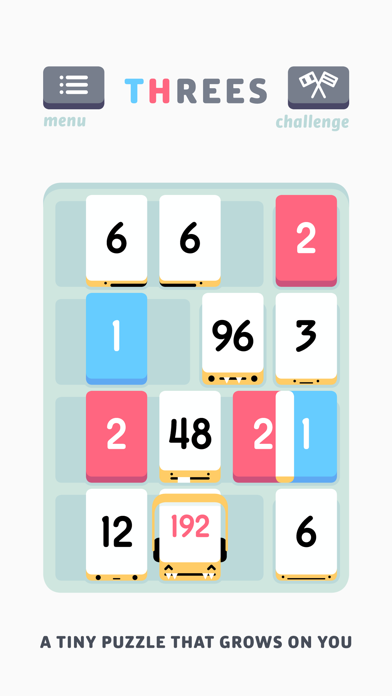
Threes! is a number-sliding puzzle that looks deceptively simple until you realize the math creates genuine strategic choices. Combine tiles, build chains, chase high scores. There’s no “right” way to play; players develop personal strategies. Some chase big numbers early; others build foundations carefully. The game respects both approaches. No ads. No “watch a video to undo that move.” Just the puzzle.
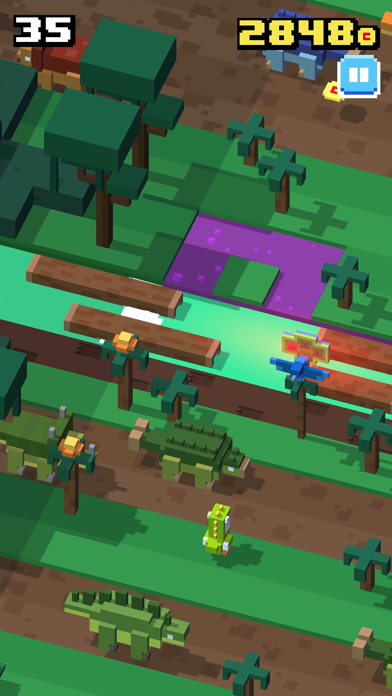
Crossy Road takes the voxel-art aesthetic and wraps it around an endless-path game where you navigate obstacles, collect coins, and unlock character skins (cosmetic only — no gameplay advantage, as of August 2026). The appeal is in the moment-to-moment decision-making: do you take the risky diagonal path or play it safe? The premium version includes all characters and cosmetics; there’s no “battle pass” that expires or cosmetics locked behind a paywall.
Space Games Built on Real Physics
Space games on mobile often cut corners on the physics. The premium ones don’t.
Galaximus is built around accurate orbital mechanics — the kind of physics that NASA uses. You pilot a spacecraft through a procedurally-generated cosmos, managing momentum and gravity to reach objectives. The game rewards patient positioning and understanding orbital behavior over twitch reflexes. It’s a single purchase; no cosmetics, no passes, no ads. The game is the same whether you play for 10 minutes or 10 hours.
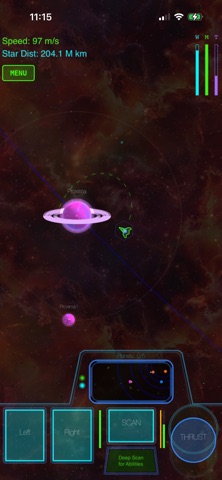
SpaceEngine is a space-exploration simulator that puts you in control of a spacecraft and lets you visit real stars, planets, and moons. It’s less “game” in the traditional sense and more “interactive planetarium,” but for adults who spent childhood staring at the night sky, it’s mesmerizing. Fully offline, no ads, no timers.

Retro-Aesthetic Games That Aren’t Just Nostalgia Bait
Retro-styled games can be cynical — slapping pixel art on a free-to-play skeleton and calling it “classic.” The good ones use the aesthetic because it fits the design, not because it’s trendy.
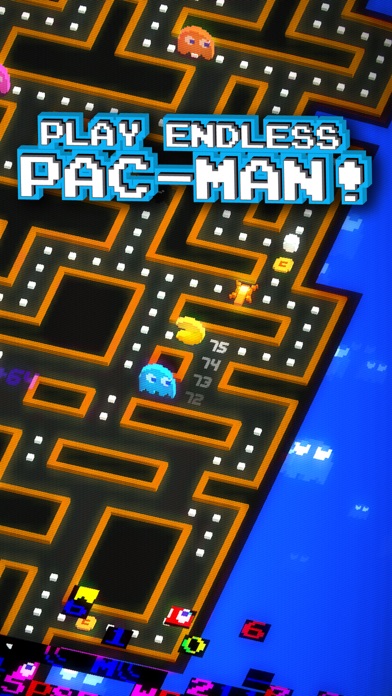
Pac-Man 256 modernizes the maze-action formula with a twist: the screen scrolls upward, forcing you to move forward constantly. It sounds gimmicky, but it creates real tension. You can’t camp in a safe corner; you have to keep moving, keep thinking. The pixel art is clean. The controls are responsive. No ads. No cosmetics. No energy timers.
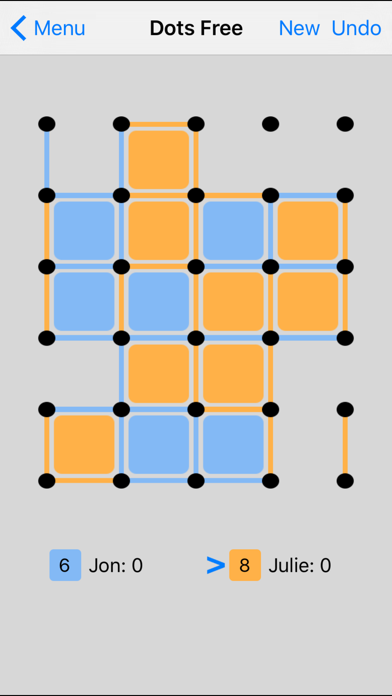
Dots & Co strips puzzle games down to their essence: connect dots of the same color, clear the board, progress. The timer exists, but it’s generous — you’re racing against the clock, not against a meter that runs out in 5 seconds. It’s designed for adults who want a quick 10-minute game, not a 6-hour grind.
Games That Work Offline
Not every gaming session happens on a train with WiFi. Premium games respect that.
Alto’s Adventure is a meditative endless-runner set to a beautiful soundtrack. You’re skiing down procedurally-generated mountains, collecting coins, avoiding obstacles. There’s no score race, no leaderboard pressure, no “come back tomorrow.” It’s pure flow. Fully offline. No ads.

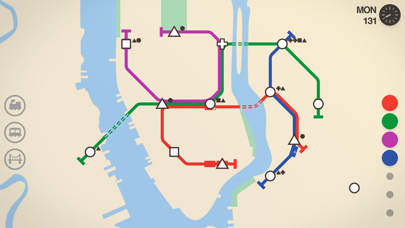
Mini Metro is a puzzle-strategy game about designing subway systems. You draw lines, place stations, and watch commuters flow through your network. It’s relaxing and intellectually engaging at the same time. Offline play. One purchase. Done.
How to Spot a Real Premium Game (and Avoid Fakes)
The App Store’s labeling is inconsistent. Here’s what to look for:
Read the first paragraph of the App Store description carefully. If it mentions “free-to-play,” “optional purchases,” “in-app subscriptions,” or “ads,” it’s not a pure premium game — even if the price tag suggests otherwise.
Check the in-app purchases section. If it lists anything, walk away. A true premium game has nothing there.
Look at recent reviews. If players are complaining about ads, timers, or “pay-to-win” mechanics, the developer has added monetization post-launch. It happens. Move on.
Watch for the word “free.” If a game is “free with optional purchases,” it’s free-to-play, not premium. The price tag you see is a red herring.
Check the developer’s other games. If they’re known for free-to-play titles with heavy monetization, they might be testing a premium-sounding game to see if it sticks. Developers who build premium games consistently tend to stick with that model.
Why Premium Games Cost What They Do
A premium game on the App Store might cost between budget-tier and mid-tier pricing. That’s not arbitrary — it reflects what the developer needs to survive.
Per industry analysis, a free-to-play game with 100,000 downloads might generate revenue if 500 players spend each. A premium game with 10,000 sales at mid-tier pricing generates the same revenue with a much smaller audience. The developer doesn’t need to chase whales or engineer dark patterns. They just need enough players to believe the game is worth buying.
For you, that means: the game costs more upfront, but you’re not subsidizing a predatory monetization system. You’re paying a fair price for a complete product.
Where to Find More Premium Games
The App Store’s curation is inconsistent, but a few places consistently surface real premium games:
- TouchArcade. The publication has been covering iOS games since the beginning; their reviews are honest and their recommendations are reliable.
- r/iosgaming. The subreddit has strict rules against free-to-play spam. Recommendations there are usually from players who’ve actually played the game.
- AppShopper. Filters by price, IAP status, and ad-free status. Useful for narrowing down options.
FAQ
Q: Why do premium games disappear from the App Store? A: Developers sometimes remove games due to licensing issues (especially with music or IP), low sales, or a shift in business focus. Unlike free-to-play games that rely on active servers, a premium game you’ve purchased will continue to work on your device even if it’s removed from the store.
Q: Can I refund a premium game if I don’t like it? A: Apple allows refunds within 14 days of purchase if you request one through the App Store. After that, refunds are at Apple’s discretion. Always check reviews and gameplay videos before buying, especially for niche games.
Q: What if a premium game adds IAP later? A: It happens. Reviews will reflect it quickly. You can’t be forced to update a game on iOS — if you keep the old version, you keep the original experience. But it’s a sign the developer has changed their philosophy.
Q: Are premium games ever abandoned? A: Sometimes. But unlike free-to-play games (which become unplayable if the servers shut down), a premium game you own will keep working. You’ve bought the game; you own the executable. No servers required.
Q: How do I know if a game is truly “premium” and not just expensive free-to-play? A: Check the “In-App Purchases” section on the App Store page. If it’s empty, the game is premium. If anything appears there — even “cosmetics” or “optional passes” — it’s free-to-play by another name.
The Bottom Line
Adult gamers have options now. You don’t have to accept energy timers, ads, or the psychological pressure of free-to-play design. Real premium games exist, and they’re better than they’ve ever been.
The developers behind these games believe that making a great game is enough. They’re not chasing engagement metrics or whale spending. They’re building something they’re proud of, charging a fair price, and trusting that players will recognize the difference.
That’s a bet worth taking. Your time is valuable. Your attention is valuable. Games that respect that are worth supporting.


