Best Arcade Shooters for iPhone: Paid Alternatives to Free Games
Best Arcade Shooters for iPhone: Paid Alternatives to Free Games
Arcade shooters on iPhone have a free-to-play problem. Most games with “shooter” in the name hit you with energy timers, battle passes, and ads between every level. If you want a complete arcade experience—one you buy once and own forever—you’re looking at a much smaller catalog. But that catalog exists, and it’s worth the hunt.
Five paid arcade shooters and ship with zero ads or energy timers. They’re built around mechanics, not monetization tricks, and they’re the kind of games that make you remember why you liked arcade games in the first place.
Why Premium Arcade Shooters Matter
The free-to-play model has trained iPhone players to expect friction. Wait for energy, watch an ad, unlock the next weapon with premium currency. Paid arcade shooters flip that script: you pay once, everything is available, and the design is built around keeping you engaged through mechanics, not artificial gates.
A developer charging upfront can’t afford to pad the game with filler—every system has to earn its place. That constraint produces tighter gameplay and more thoughtful level design than the “more content, more ads” treadmill.
Galaximus: Orbital Mechanics as Core Gameplay
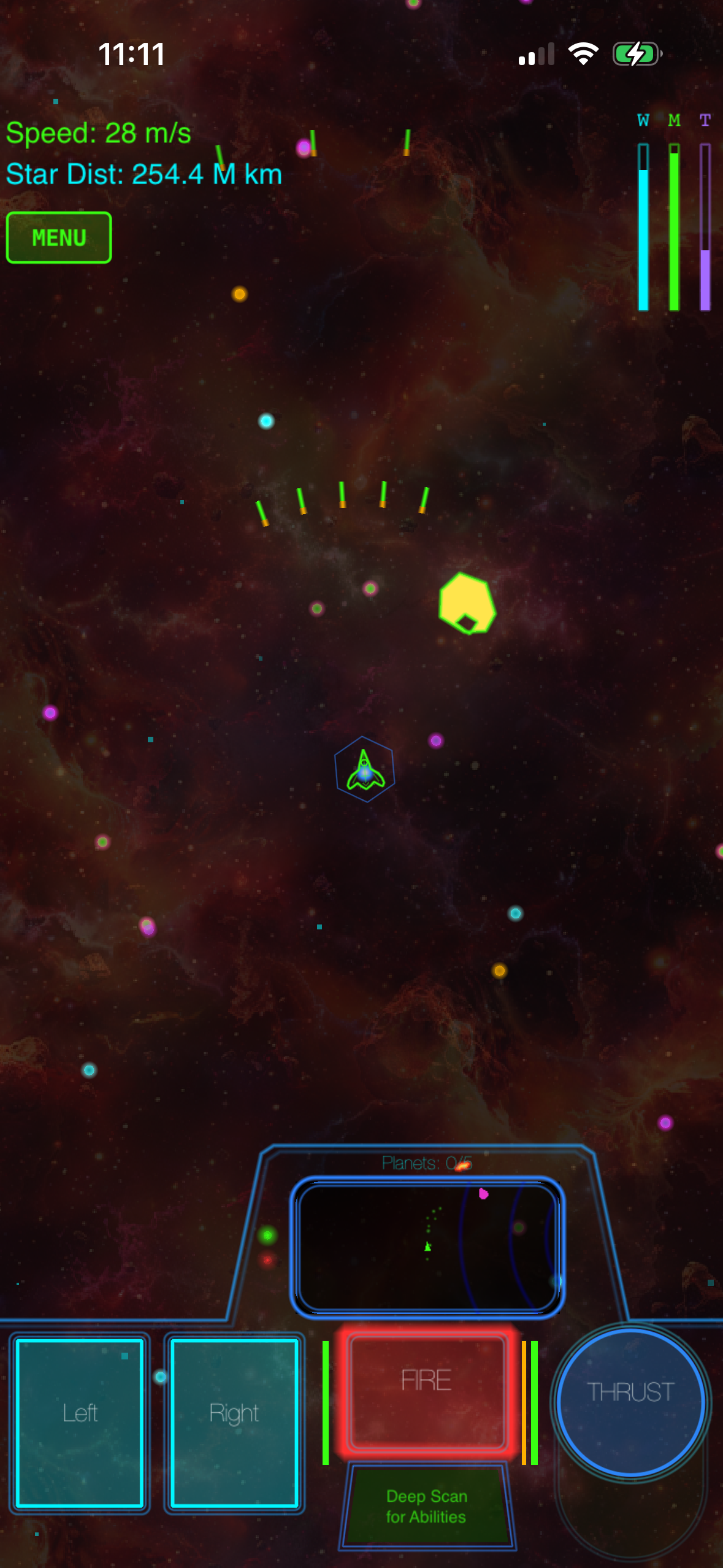
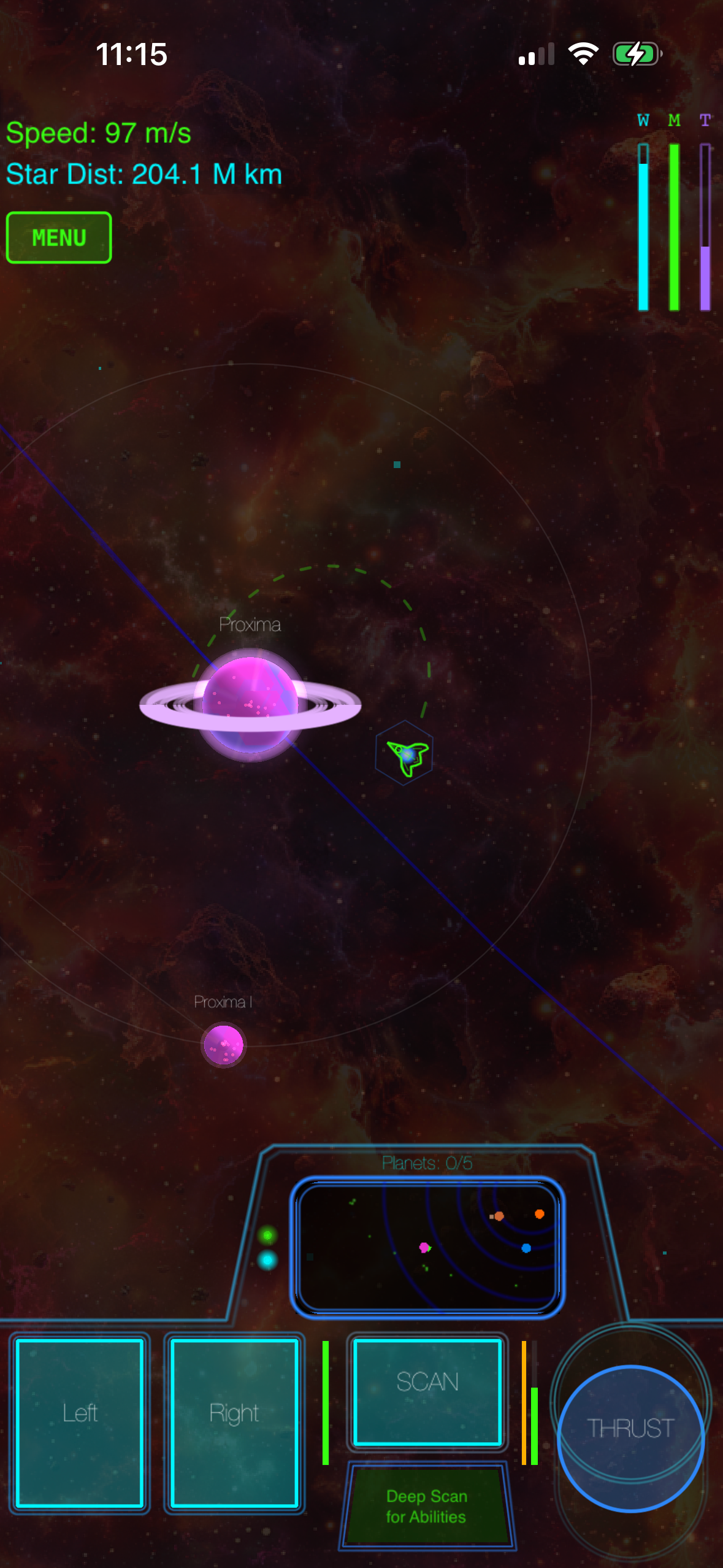
Galaximus stands apart because it treats gravity not as window dressing but as the primary mechanic you have to master. Every celestial body in the game obeys real orbital physics—planets orbit suns, asteroids tumble through gravity wells, and your ship is subject to all of it. The learning curve is real; the payoff is that mastery feels earned in a way arcade games rarely achieve.
The game is built around slingshot maneuvers: using a planet’s gravity well to gain speed for free, then positioning yourself for the next gravity assist. It’s the same physics that real spacecraft use, but abstracted into arcade-action timescales. Combat encounters (called anomalies) are scattered through eight procedurally configured star systems, each one a self-contained tactical puzzle where gravity is your primary tool.
The procedural audio synthesis—every laser, explosion, and alien voice generated in real time on the device—reinforces the vector-arcade aesthetic. Nothing feels pre-recorded or synthetic in the marketing sense; it all sounds like part of the world.
Galaximus ships at the launch-price tier with a major expansion called Infinitum in development for late 2026. Buy now and Infinitum is included free; after it ships, the combined game moves to a higher price tier. That’s a genuine buying-decision factor if you’re considering it.
Minimum iOS: 15.0+
Asteroids Elite: Arcade Lineage Done Right
If you want to trace a direct line back to the 1979 Atari arcade cabinet, Asteroids Elite is the modern interpreter that respects the original while updating the controls and visuals for modern phones. You’re piloting a wedge-shaped ship, shooting asteroids, and dodging enemy fire—the format is unchanged because it didn’t need changing.
What Asteroids Elite adds is precision. The touch controls are responsive enough that you can thread shots between incoming fire, and the visual feedback (clean vector graphics, clear collision detection) means you always know why you died. No hidden hitboxes, no surprise difficulty spikes. The game is hard because the arcade format is inherently demanding, not because the design is punishing.
The progression system is straightforward: clear waves, earn points, unlock new ship variants. No battle pass, no seasonal content, no “come back tomorrow” mechanics. You buy it, and the full game is yours to master.
Minimum iOS: 12.0+
Geometry Wars 3: Dimensions Evolved — Relentless Minimalism
Geometry Wars 3 is what happens when you strip arcade shooters down to their essential parts: a ship, geometric enemies, and the space between them. No story, no progression gates, no cosmetics. Just you and the mathematics of survival.
The “Dimensions” part refers to the game’s core twist: you’re fighting on small geometric arenas (cubes, spheres, cylinders) that rotate and shift as you play. It forces you to think about positioning in three dimensions while your brain is trained for 2D arcade action. That cognitive load is what makes the game feel fresh after hours of play.
Geometry Wars 3 supports MFi controllers, which gives you the precision and tactile feedback that arcade games benefit from. The game scales beautifully from phone to iPad, and the frame rate holds steady even during screen-filling enemy swarms.
Minimum iOS: 14.0+ Controller support: MFi gamepads
Hypercube: Neon Arcade Aesthetics with Substance
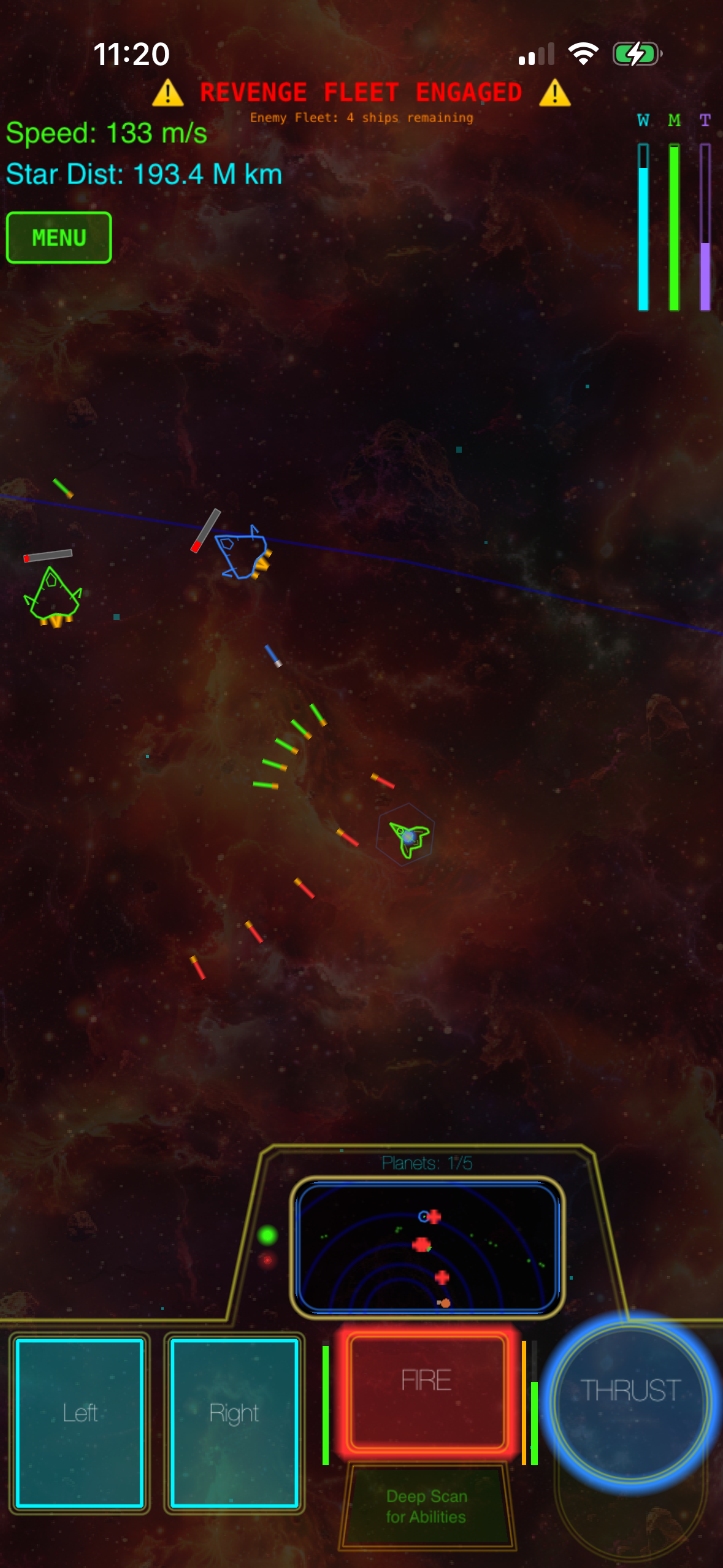
Hypercube wraps arcade shooter mechanics in a synthwave visual package—neon outlines, dark backgrounds, a color palette that wouldn’t look out of place in a 1980s sci-fi film. But the aesthetics aren’t just window dressing; they’re tied to the gameplay.
The core loop is simple: shoot enemies, collect power-ups, survive waves. What makes it interesting is the weapon variety. You unlock different firing patterns as you progress, and the game encourages you to experiment with combinations. Some weapons work better against certain enemy types; others are pure crowd-control. That variety keeps the minute-to-minute gameplay from feeling repetitive.
Hypercube also has a strong sense of pacing. Waves build in intensity, give you breathing room to regroup, then ramp up again. It’s the kind of rhythm that makes arcade games addictive—you always feel like you’re on the edge of failure, but rarely like the game cheated you.
Minimum iOS: 13.0+
Starseed Pilgrim: Narrative Arcade Fusion
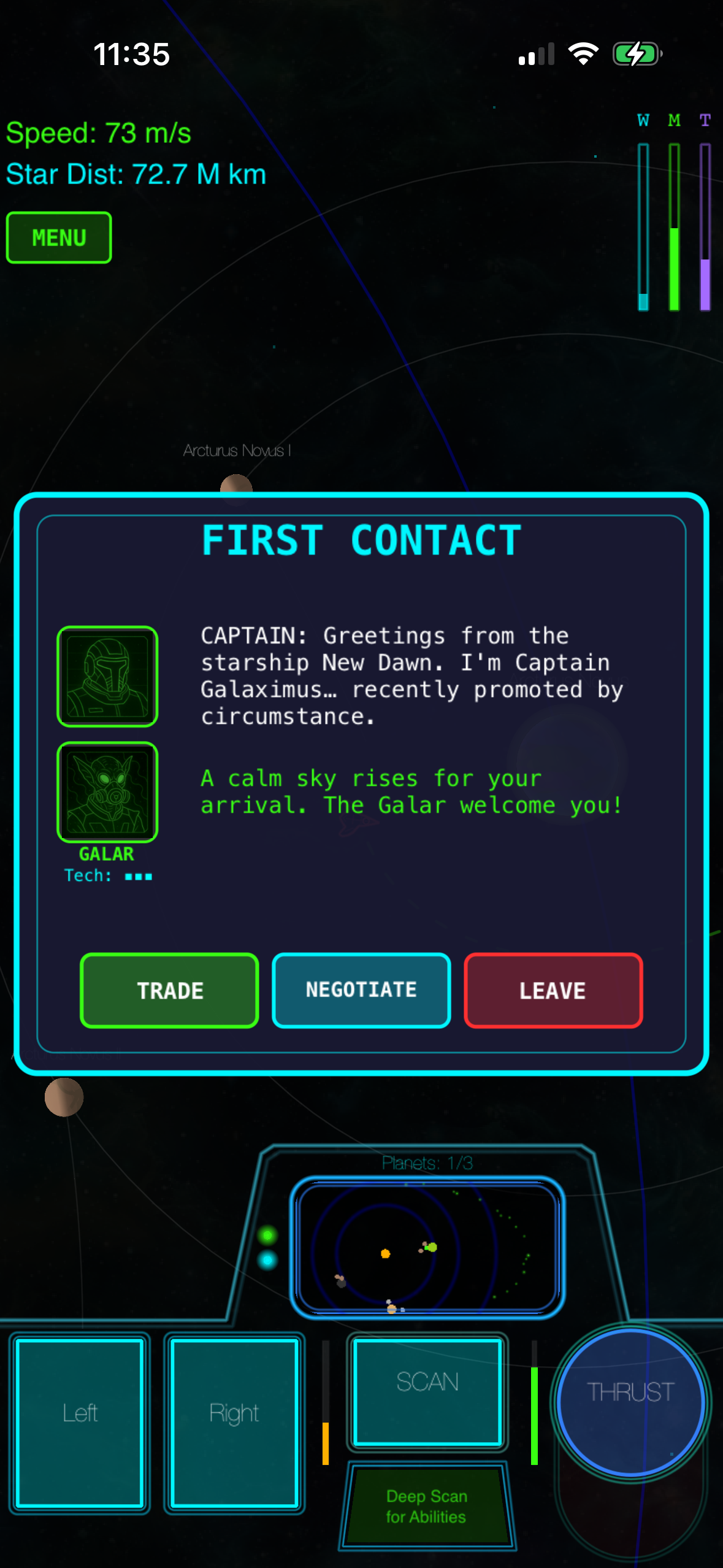
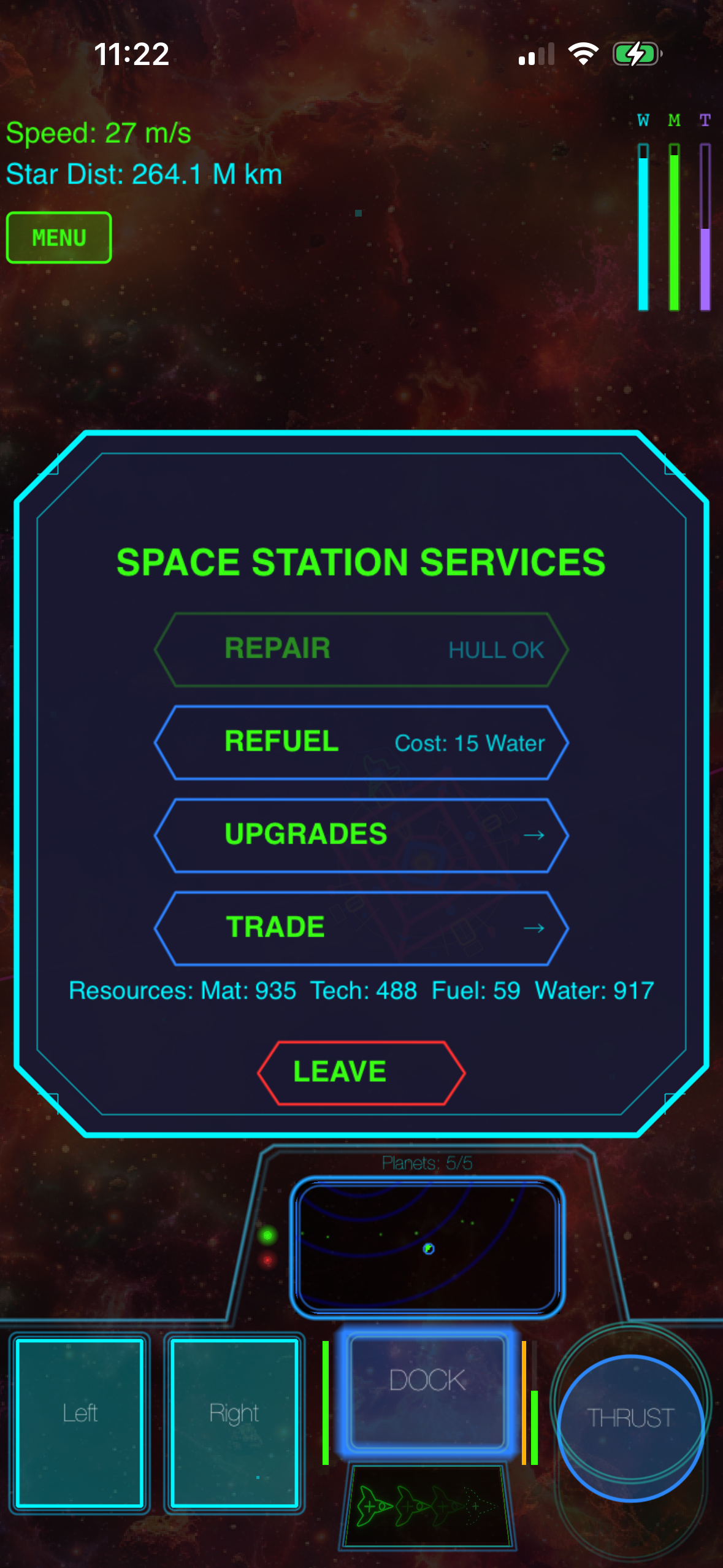
Starseed Pilgrim is harder to classify because it mixes arcade shooting with exploration and light narrative elements. You’re piloting a ship through a procedurally generated galaxy, encountering alien civilizations, trading, and fighting. The shooting is arcade-paced; the exploration is slow and deliberate.
That tonal contrast is the game’s strength. You’ll spend minutes carefully navigating to a space station, then suddenly be in a real-time combat encounter where reflexes matter. The game doesn’t feel schizophrenic about it—both modes serve the larger experience of being a lone explorer in an alien galaxy.
The narrative is sparse but effective. You pick up fragments of lore from alien encounters, and the procedural generation means you won’t see the same story twice. It’s not a story-driven game in the way a narrative adventure is, but it’s a game where story and mechanics reinforce each other.
Minimum iOS: 14.0+
The Economics of Paid Arcade Games
Paying upfront for an arcade shooter feels counterintuitive if you’ve spent the last five years playing free-to-play games. But the math is simple: a premium arcade shooter and, and you get the entire game. No ads interrupt your session. No energy meter stops you after three levels. No premium currency gates the best weapons.
Compare that to a free-to-play game where you might spend over six months to unlock everything—and even then, you’re subject to balance patches that nerf your favorite weapon, seasonal content you have to grind for, and ads that play whether you want them or not.
The paid model also means the developer’s incentive is to make the game as good as possible at launch. They’re not counting on you to stick around for a year of content updates; they’re counting on you to recommend the game to a friend. That’s a healthier pressure.
Why These Games Exist
Arcade shooters on iPhone exist because a small number of developers believe that premium games without monetization tricks can work. They’re right. The players who buy these games tend to be older (20s–50s), have disposable income, and remember when games shipped complete. They’re tired of energy timers and battle passes. They want to buy a game and own it.
That audience is real, and it’s growing. Every year, more players leave free-to-play games looking for alternatives. Paid arcade shooters fill that gap.
FAQ
Do these games work on older iPhones?
Asteroids Elite works on iOS 12.0+, making it compatible with iPhone 5s and later. Galaximus requires iOS 15.0+. Geometry Wars 3 and Hypercube require iOS 14.0+. Starseed Pilgrim requires iOS 14.0+. Check your device’s iOS version in Settings > General > About before purchasing.
Can I play these offline?
Yes. All the games listed here run fully offline. You don’t need an internet connection to play, which is one of the advantages of premium games—no server-dependency, no online-only restrictions.
Are there difficulty settings?
Galaximus and Geometry Wars 3 both have difficulty options or progression systems that scale with your skill. Asteroids Elite, Hypercube, and Starseed Pilgrim are designed around a single difficulty curve that increases as you progress.
Do I need a controller?
No. All of these games are designed to work with touch controls on your phone. Geometry Wars 3 supports MFi controllers as an optional input method; the others are touch-first.
How much playtime do these games have?
Arcade shooters are designed for repeated play, not story completion. Expect dozens of hours if you pursue high-score chasing; expect 5–10 hours if you’re looking to see everything once. Galaximus has a structured 8-system campaign with a beginning and end, so it has more defined scope than the others.
The Case for Paying Once
Arcade shooters on iPhone have never been better made. The five games on this list represent the current best of what premium arcade design looks like on mobile: craft-built, complete, and uncompromised by monetization. You pay once, you get the whole game, and the developer’s incentive is to make it as good as possible.
That’s not the model free-to-play games operate under. It’s not the model that dominates the App Store. But it’s the model that produces arcade shooters worth playing in 2026.