Indie iOS Games Worth Paying For: Hidden Gems 2026

Photo by Onur Binay on Unsplash
Indie iOS Games Worth Paying For in 2026
The App Store’s free-to-play churn is relentless. Energy timers, ad breaks, battle passes, and dark-pattern popups have turned mobile gaming into a fatigue machine. But a quieter corner of the App Store still exists: premium indie games that ask for a one-time purchase and then get out of your way. These titles don’t monetize your attention—they earn it through craft, mechanics, and respect for your time.
This guide spotlights the indie games that actually justify their price tag in 2026. These aren’t AAA ports or forgotten roguelikes. These are games where you can feel the developer’s intention in every system, and where paying upfront means the game works for you, not against you.
Why Premium Indie Games Matter
A decade ago, the App Store was a discovery engine for small developers. Today it’s dominated by free-to-play franchises and engagement-driven games. The premium indie games that survive do so because their players actively seek them out and pay for them upfront.
When you pay for an indie game, you’re not renting access to a live service. You own the experience. No server shutdown ends your game. No algorithm decides when you can play next. The developer’s incentive flips: instead of maximizing session length and monetization, they maximize craft.
This shift matters. It means the game is finished when you buy it. It means difficulty curves are tuned for fun, not frustration. It means the tutorial respects your intelligence. These are the games worth your time and money.
Arcade-Lineage Games That Respect the Craft
Modern arcade-lineage games on iOS fall into two camps: those that chase nostalgia aesthetics and those that actually understand what made arcade games work. The good ones respect the lineage.
Asteroids-style games have seen a resurgence. The best versions lean into the physics that made the original sing: Newtonian inertia, deliberate turning, the weight of your ship. These games tend to ship with minimal tutorials and trust the player to experiment—a rarity on modern iOS.
(, Neon Games, 2024)
Vector-graphics games have also made a comeback. The aesthetic isn’t just retro window-dressing; it’s a design choice that forces clarity. When you strip away texture and color, every pixel of movement communicates. Games in this category often include a “zen mode” or endless-play option alongside campaign modes, giving players multiple ways to engage.
(, Ketchapp, 2015)
Story-Driven Games Without the Bloat
Narrative games on iOS usually mean one of two things: a visual novel with tappable text, or a mobile port of an indie darling. The best premium narrative games on iOS in 2026 are games that feel designed for the format, not ported to it.
These titles tend to be shorter than their console cousins—2 to 6 hours—but denser in emotional payoff per minute. They also tend to be controller-optional, designed around touch controls that don’t fight you. The games that land hardest are those that trust the player’s emotional investment rather than padding playtime with busywork.
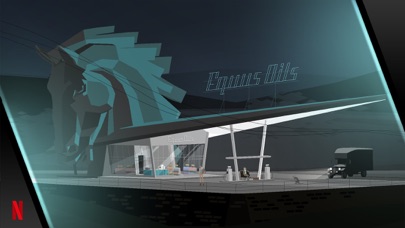 (, Cardboard Computer, 2020)
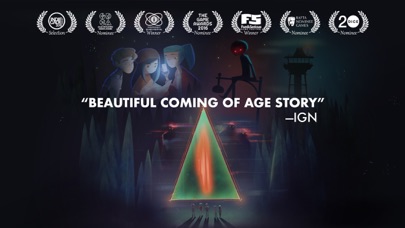 (, Night School Studio, 2016)
The narrative-game space on iOS is also where smaller studios do their best work. A five-person team can craft a 4-hour story-driven experience far more efficiently than a 50-person team can ship a live-service game. This efficiency often translates to lower prices and higher craft-per-dollar.
Puzzle Games That Actually Challenge
Puzzle games are the safest bet on iOS for premium pricing. The best ones—Threes!, Mini Metro, Two Dots—proved that players will pay for puzzles that respect their intelligence and don’t demand a subscription to unlock content.
In 2026, the puzzle category has matured. You’ll find games that blend categories: puzzle-roguelikes, puzzle-builders, even puzzle-narratives. The unifying trait is that they’re finished products. You buy them, you own them, and you can revisit them years later without worrying that a server shutdown has made them unplayable.
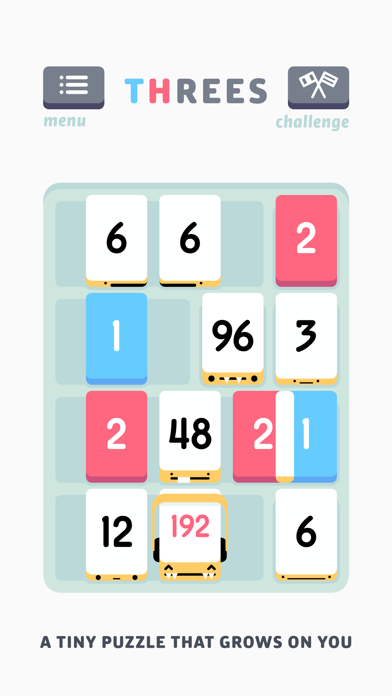 (, Sirvo, 2014)
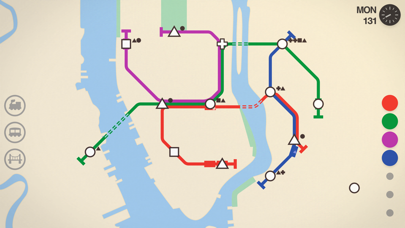 (, Dinosaur Polo Club, 2015)
The best premium puzzlers also tend to include a “sandbox” or “endless” mode alongside their campaign. This gives you a way to keep playing after you’ve solved the main puzzle, without the game resorting to cosmetic IAP or battle passes to keep you engaged.
Action Games That Prove Mobile Can Deliver
The misconception that mobile action games can’t match console quality has been debunked by titles like Hades and Celeste. These games shipped on console first and ported to iOS—and the ports are genuinely good, not compromised mobile versions.
The reason is simple: when a developer commits to a platform, they optimize for it. Hades on iOS isn’t a downscaled console game; it’s Hades with touch controls that work, performance tuning that respects battery life, and a save system that understands mobile play patterns (short sessions, frequent interruptions).
 (, Supergiant Games, 2020)
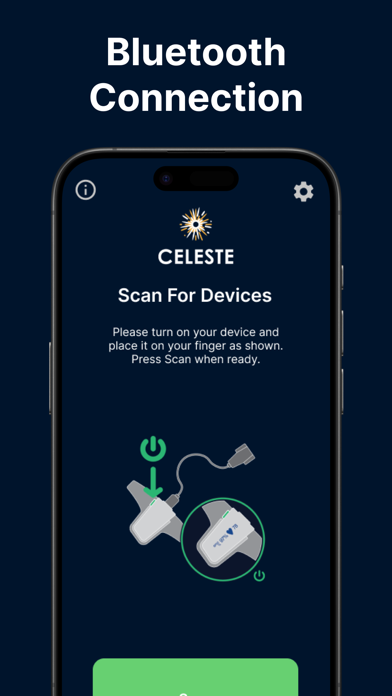 (, Maddy Makes Games, 2018)
The best mobile action ports share a few traits: they use controller support as the default (but don’t require it), they implement cloud save so you can pick up on another device, and they resist the urge to add mobile-exclusive monetization. The game you buy is the game you get.
Budget-Tier Gems: Quality Under $5
Some of the best work on iOS ships at budget-tier pricing—. These games prove that price doesn’t determine quality; intent does.
The budget-tier space is where experimental games thrive. Developers with smaller audiences or shorter play times can price lower and still sustain their work. This means you’ll find genre-bending titles, one-off mechanics, and niche games that wouldn’t survive at premium pricing but are absolutely worth discovering.
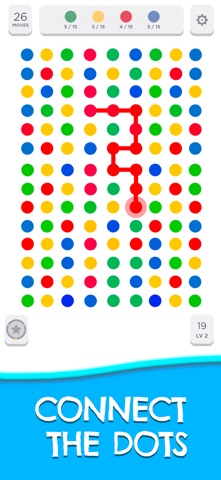 (, Dots & Co, 2014)
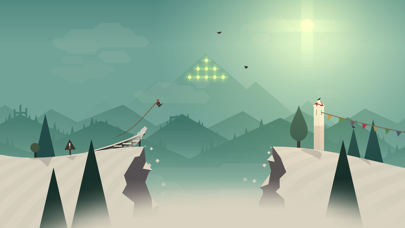 (, Snowman, 2015)
Budget-tier games often deliver strong value because the value proposition is clear: you’re not paying for 40 hours; you’re paying for a focused, complete experience. When that experience is well-made, the math feels generous.
How to Spot a Real Premium Game
Not every game labeled “premium” on the App Store actually is premium. Some ship with ads, cosmetic IAP, or energy systems that gate progression. A true premium indie game has one-time purchase, no ads, and no IAP of any kind.
When you’re evaluating an indie game, look for:
- Upfront pricing with no hidden monetization. The game’s description should state clearly: “one-time purchase, no ads, no in-app purchases.” If that language is absent, read the most recent App Store reviews (sort by “Most Recent”)—players will mention ads or IAP within the first few reviews if they exist.
- A finished product, not a live service. The game should work completely offline. No daily login bonuses, no seasonal passes, no “come back tomorrow” mechanics. You own it; you play it on your schedule.
- Thoughtful difficulty tuning. The best indie games understand that difficulty serves the game’s intent. A puzzle game doesn’t need to be “hard”; it needs to be satisfying. An action game doesn’t need to be “easy”; it needs to be fair. Read reviews to see if players feel the difficulty curve respects their skill.
- Controller support (optional but valued). Many premium indie games ship with MFi controller support. This isn’t essential—many play perfectly on touch—but it’s a signal that the developer thought about multiple ways to play.
The Case for Paying Upfront
The psychology of app pricing has shifted. Free-to-play games have trained players to expect zero upfront cost, then monetize time and attention. Premium indie games ask for the opposite: a small upfront cost, then complete respect for your time.
This trade-off is worth it. A indie game with 10 hours of content per hour. A free-to-play game that demands in cosmetics or battle passes to feel complete costs far more. And that’s before accounting for the mental load: free-to-play games are designed to create anxiety (limited-time offers, FOMO, energy timers). Premium games are designed to create satisfaction.
The shift from free-to-play to premium often feels like a relief. You buy the game, you know what you’re getting, and you can play at your own pace without feeling pressured to spend more or log in daily.
FAQ
Q: Are premium indie games still getting released on iOS in 2026?
A: Yes. Developers like Annapurna Interactive, Devolver Digital, and independent studios continue to release premium titles. Recent 2026 releases include 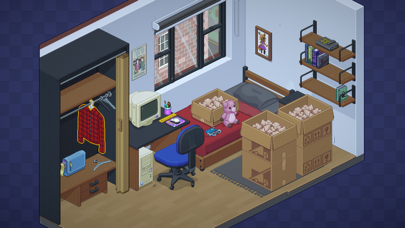 (, Witch Beam, 2021) and
  (, adamgryu, 2019). The category is smaller than it was a decade ago, but the games that ship tend to be higher quality.
Q: Can I play premium indie games offline? A: Most can. Check the App Store listing under “Information” or read reviews to confirm. Games that require authentication or cloud saves may need an internet connection at launch, but many work perfectly offline once installed.
Q: Do premium indie games get updates after release? A: Sometimes. Unlike live-service games, they’re not required to update. But many developers do release bug fixes and balance patches. A few add new content (levels, modes) for free. Check the update history in the App Store to see how active a developer is.
Q: What if I don’t like a game I bought? A: Apple’s refund policy allows refunds within 14 days of purchase if you request them through the App Store (not the developer). Read reviews carefully before buying, and don’t hesitate to request a refund if a game doesn’t match its description.
Q: How do I find premium indie games if they’re not featured on the App Store? A: Follow indie game publications (TouchArcade, AppShopper), join r/iosgaming, and check out indie game podcasts. Many premium games rely on word-of-mouth rather than App Store featuring, so community recommendation is often your best discovery engine.
The Verdict
Premium indie games on iOS are a counterculture now. They don’t chase engagement metrics or whales. They don’t ask you to log in daily or spend money to progress. They simply ask: is this experience worth paying for?
For players tired of free-to-play fatigue, the answer is almost always yes. These games respect your time, trust your intelligence, and deliver complete experiences. In a mobile landscape drowning in dark patterns and monetization schemes, that’s worth paying for.
Start with one of the picks above. Spend a few dollars. Play for an hour. Then come back and find the next one. The indie games worth paying for aren’t the loudest or most featured—they’re the ones that stick with you.


