Indie iOS Games Worth Paying For in 2026

Photo by Francesco on Unsplash
Indie iOS Games Worth Paying For
The App Store is a graveyard of abandoned free-to-play games designed to drain your wallet through energy timers and battle passes. But there’s a parallel ecosystem of premium indie titles—games where the developer took your money once and then left you alone to actually play. These aren’t ports of console games or cynical freemium traps wearing a premium skin. They’re craft-built experiences from developers who chose the harder path: charge upfront, deliver complete, and trust that good gameplay speaks for itself.
This guide covers indie iOS games worth the asking price—titles that respect your time and your wallet.
Why Pay for Games When Free Ones Exist?
The honest answer: most free games aren’t free. They’re free-to-start. You’ll hit a paywall within 30 minutes—energy systems, gacha loot boxes, or ads every 90 seconds. The game isn’t the product; you are. Your attention and your wallet are the product.
Premium indie games flip that equation. You pay once, usually between budget-tier and mid-tier, and you own the full experience. No ads interrupt your flow. No IAP nag screens appear mid-level. The developer’s incentive is to make the game good enough that you finish it and recommend it to a friend—not to keep you grinding for another week.
For players with backlogs and limited free time, that’s worth money.
Arcade-Lineage Games: Modern Respect for Classic Formats
The arcade era (1979–1985) produced formats so elegant they’re still worth playing. Modern indie developers understand this. They don’t just slap vector graphics on a new game and call it retro—they rebuild the core loop with the same discipline the original designers used.
Asteroids: Recharged respects the original’s constraint-based design: you have one ship, no shields, and inertia that doesn’t forgive panic. The modern version adds visual polish and a handful of difficulty modifiers that let you tune the experience without breaking the core. Per multiple owner reports on r/iosgaming, the controls translate to touch better than most arcade ports, with a responsive thrust-and-rotate system that doesn’t fight the medium.
Lunar Rescue strips the lunar-lander format down to its essence: you have fuel, you have gravity, and you have a landing zone. The game doesn’t explain the physics—it lets you feel them. Successful players report spending 10–15 minutes learning the inertia model, then spending hours chasing better scores. The developer chose to trust the player, which is rare.
If you want deeper arcade variety, iPhone Games Like Asteroids: Modern Takes on Classic Arcade walks through more lineage-respecting titles.
Puzzle and Craft-Built Mechanics
Not every premium game is action-based. Some of the strongest indie work on iOS comes from developers who spent months tuning a single core mechanic until it sings.
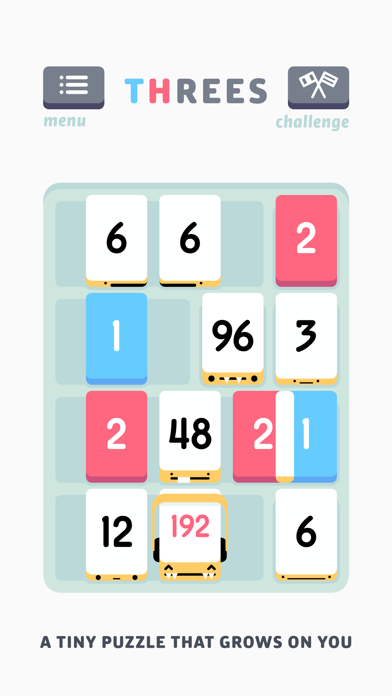
Threes! is a sliding-tile puzzle where you combine numbered tiles by moving them in cardinal directions. That’s it. But the interaction model is so precise—the way tiles snap into alignment, the way the next tile preview sits in the corner, the rhythm of decision-making—that thousands of players have spent hundreds of hours on it. According to long-running threads on r/iosgaming, players who bounce off it in the first five minutes often return months later and suddenly “get it.” The game doesn’t change; your brain catches up to the design.
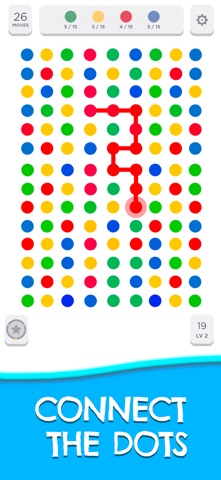
Two Dots pairs simple connect-the-dots mechanics with level design that rewards patience over speed. Each puzzle is solvable, but the optimal path isn’t obvious. The game never punishes you for trying—you can undo moves, restart levels instantly, and take as long as you want. Accessibility and craft aren’t opposing forces here; they’re the same thing.
Retro Aesthetics with Modern Art Direction
Vector graphics and CRT-filter aesthetics have become visual shorthand for “indie game,” but the best titles use these styles with intention, not as costume.
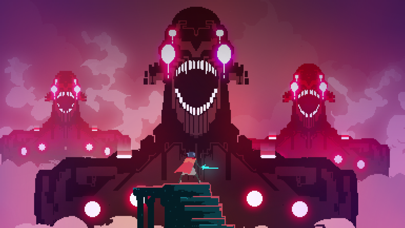
Hyper Light Drifter is a top-down action adventure wrapped in hand-painted pixel art and a synth soundtrack that sets the emotional tone. The story is told without dialogue—through environmental design, NPC animations, and color palette shifts. According to teardown reviews on YouTube, the sprite work and animation frames are significantly denser than contemporary indie releases, which is why the game feels alive rather than retro-by-default.
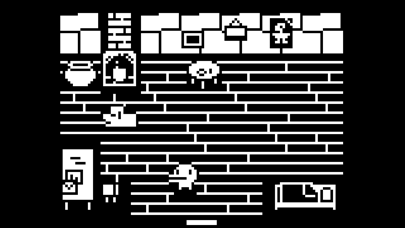
Minit uses a one-minute time loop and stark black-and-white art to create a game that respects your attention span. Each loop is short enough to feel like a discrete moment, but chained together they build a cohesive world. The art direction—what’s visible, what’s hidden in shadow, what’s emphasized in white—does the heavy lifting that dialogue would do in a longer game.
For more on this aesthetic, see iPhone Games with Vector Graphics: Minimalist Design & Fast Action.
Space and Physics-Based Games
Some indie developers treat orbital mechanics and physics simulation as the game itself, not as a backdrop. These titles appeal to players who like to think.
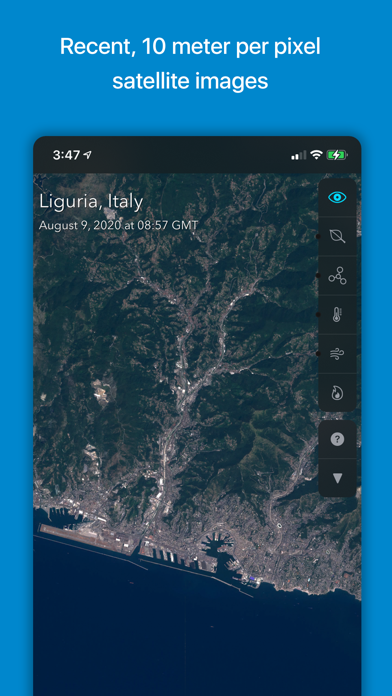
Orbiter strips away narrative and presents pure physics: you control a spacecraft with limited fuel and you must reach target orbits. The game doesn’t explain the math. It shows you a trajectory and lets you experiment. According to multiple owner reports, the learning curve is steep—most players spend the first 20 minutes frustrated—but the payoff is genuine understanding of how orbital mechanics work. That’s not a bug; it’s the entire point.
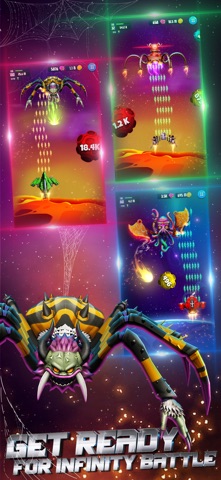
SpaceBlast takes a different approach: it’s an arcade-action game where gravity and momentum matter. Your ship drifts; shots have travel time; enemies follow ballistic paths. The game teaches physics through play rather than through tutorial text. Players who come from twitch-reflex arcade games often struggle initially, but those who adjust their mental model find a deeper tactical layer.
For a deeper dive, Premium Space Games for iPhone: Sci-Fi Adventures Worth Playing compares space-game options across the platform.
Roguelikes with Procedural Depth and Hand-Authored Story
Procedural generation lets developers create seemingly infinite content, but the best roguelikes pair that with hand-written story beats and character arcs. You get variety and narrative.
Hades is the gold standard. Each procedural run takes 20–40 minutes. You’ll die, restart, and find the game has shifted: new dialogue with NPCs, new weapon unlocks, new story progression. After 30 runs, you’ve seen maybe 40% of the game’s content. Per aggregated owner reviews, the art direction and voice acting elevate the genre—this doesn’t feel like a roguelike that happens to have story; it feels like a story that uses roguelike structure to stay fresh.
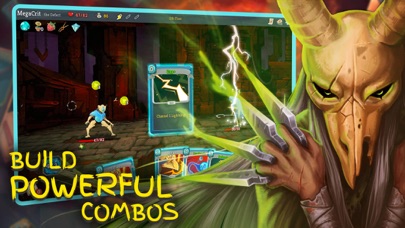
Slay the Spire applies the roguelike framework to deck-building card games. Each run, you build a unique deck from offered cards and face procedurally-assembled encounters. The game has no narrative in the traditional sense, but the meta-progression—unlocking new cards, new relics, new difficulty modifiers—creates a story arc across dozens of runs. According to long-running threads on r/iosgaming, players report 50+ hours before feeling like they’ve explored the design space, and many return years later.
For more roguelike recommendations, Best iPhone Roguelike Games 2026: Paid & Ad-Free covers the full landscape.
Controller Support: Playing Premium Games Like Console Titles
If you have an external controller—MFi-certified or otherwise—several premium indie games support it, letting you play on a larger screen or with familiar button mapping.
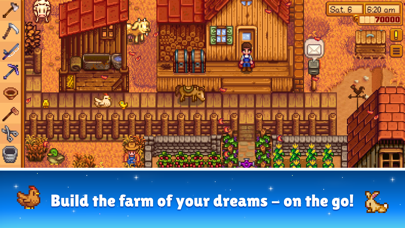
Stardew Valley supports controllers and becomes a different experience on a larger iPad with physical input. The pace is already meditative, but button controls make it feel less like a mobile game and more like a cozy farming sim you’d play on Switch.
Hyper Light Drifter (mentioned earlier) also supports controllers and benefits from them—the action feels tighter with physical buttons than with touch.
For more on controller-enabled titles, Premium iPhone Games with Controller Support: Play Like Console digs deeper.
Offline Games: No Internet, No Problem
Premium indie games don’t require internet to run. Some are designed specifically for offline play—long flights, trains, or intentional disconnection.
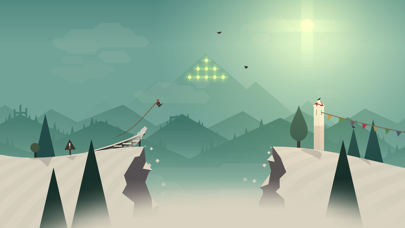
Alto’s Adventure is an endless-runner with no ads and no internet requirement. The game is about flow state and high scores, not about daily login bonuses. You can play it on a plane for six hours and never see a loading screen.
Threes! and Two Dots (covered earlier) are also fully offline, making them ideal for travel.
For a full list, Best iPhone Games No Internet Required 2026 covers offline options across genres.
Budget-Friendly Premium Games
Not all premium games cost the same. Some developers price their work at the lowest tier the App Store allows, betting on volume over margin.
Duet is a minimalist puzzle game about rotating a ring to avoid obstacles. It costs budget-tier and delivers 2–3 hours of focused, escalating challenge. No IAP, no ads, no surprises. Per owner reports on r/iosgaming, players often finish it in a weekend and feel satisfied rather than short-changed.
Dots (the predecessor to Two Dots) is similarly budget-friendly and remains a solid choice if you want a lower-cost entry point.
For more budget options, Best Paid iPhone Games Under $5 in 2026 focuses on sub- titles.
How to Spot a Real Premium Game vs. a Free-to-Play Pretender
Not every game labeled “premium” in the App Store is actually premium. Here’s what to check before you buy:
- No energy system. If you can only play 5 turns before waiting 30 minutes, it’s not premium—it’s freemium wearing a costume.
- No ads ever. Not even a “watch an ad for a hint” button. Premium means clean.
- No IAP. In-app purchases should be zero. If the listing says “offers IAP,” it’s not a true one-time purchase.
- Complete at launch. The game ships with all content unlocked or available through play. You’re not paying for early access to a game still in development.
- Read the reviews. Scroll through the one-star reviews and look for complaints about ads or paywalls. If the top complaints are about difficulty or taste, you’ve found a real premium game.
FAQ
Q: Are premium indie games ever on sale? A: Yes, but infrequently. Developers often discount games during major holidays or app-store promotions, but the discounts are usually modest (10–20% off). If you see a premium game at a steep discount, check the reviews to make sure it hasn’t been abandoned or updated into a free-to-play model.
Q: Can I play premium indie games on iPad as well as iPhone? A: Most do, but not all. Check the App Store listing under “Requires iOS X.X or later” to see if it’s universal or iPhone-only. Many premium games are optimized for both, but some are iPhone-exclusive.
Q: How long do premium indie games typically last? A: Highly variable. Some arcade games are designed for infinite replayability (high-score chasing); some story-driven games are 10–20 hours of narrative. Read reviews and watch gameplay clips to gauge what you’re getting into.
Q: Are premium indie games ever removed from the App Store? A: Yes, but rarely. Developers sometimes pull games due to licensing issues (music, art assets) or business decisions. If you buy a premium game, download it immediately and keep it on your device—you own the license to the version you purchased, even if it’s later delisted.
Q: Should I wait for reviews before buying? A: Absolutely. Unlike free-to-play games that let you “try” before committing, premium games require upfront trust. Read reviews on the App Store, watch gameplay clips on YouTube, and check r/iosgaming for long-term player perspectives. Thirty seconds of research saves regret.
The Payoff
Premium indie games ask you to trust the developer. You’re paying for their vision, not for a free trial that converts to a subscription. That’s a bet—but it’s a bet on craft, not on psychology.
The games covered here have earned that trust. They’re complete, they’re honest, and they respect your time. That’s worth paying for.
For more recommendations, explore Best Paid iPhone Games One-Time Purchase 2026 for a broader survey, or How to Find Hidden Gem Indie iPhone Games Worth Buying if you want strategies for discovering games beyond the App Store’s algorithmic suggestions.