Indie iOS Games Worth Paying For: Hidden Gems Guide

Photo by Branden Skeli on Unsplash
Indie iOS Games Worth Paying For
The App Store is a swamp of free-to-play noise. Energy timers, battle passes, cosmetic grinds, and the occasional full-screen ad interrupt that costs you a life you didn’t mean to lose. If you’re tired of that model, you’re not alone—and you’re not without options.
Premium indie games exist on iOS. Real ones. Games where you pay once, own the experience, and never see a dark pattern designed to extract another dollar three weeks later. The trick is knowing where to look and understanding why paying upfront is often the better deal than free-to-play’s hidden cost.
This guide covers what makes a paid indie game worth the money, where the real gems hide, and how to spot the pretenders.
What “Premium” Actually Means on iOS
The App Store label “premium” is misleading. A game marked premium can still ship with ads, offer in-app purchases, or demand a subscription. When we say “premium,” we mean something stricter: one payment, complete game, no ads, no IAP, no battle pass, no cosmetics shop.
This model is rare. Most developers chase recurring revenue. But the ones who don’t—who build a complete experience and trust that price point—tend to make something worth keeping.
The upside is obvious: you’re not being manipulated. No dark patterns. No artificial scarcity. No feeling like you’re playing a game designed to frustrate you into spending more. The game is finished when you buy it. You own it (within Apple’s licensing terms). You can play it on a plane, in a waiting room, or five years from now without worrying that the servers shut down or the monetization model changed.
The downside: discovery is harder. These games don’t have marketing budgets. They don’t trend on the App Store’s front page because they’re not extracting per-user revenue. You have to know where to look.
The Arcade Lineage: Where Precision Meets Craft
Some of the best indie games on iOS trace a line back to 1979–1985 arcade cabinets. Asteroids. Defender. Tempest. Lunar Lander. Modern developers have learned to respect that lineage—not by copying the visuals, but by understanding what made those games work: simple rules, immediate feedback, and a difficulty curve that respects the player.
[Asteroids: Recharged]
This is not a retro skin over a modern casual game. It’s a rigorous interpretation of the original arcade formula with physics-based asteroid fragmentation—larger rocks break into smaller, faster pieces, forcing you to manage screen space and timing rather than just spray bullets. You will die. Often. But the game never cheats—every death is yours, and you’ll want to try again. The visual style leans modern (vector graphics, clean UI), but the soul is pure arcade., zero IAP, zero ads.
[Into the Breach]
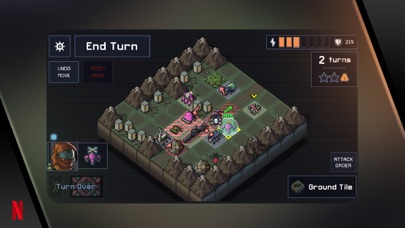
Turn-based tactics where you can see every enemy move before you commit. This removes the luck factor entirely—every loss is a strategic failure, not a dice roll. The game is short (a full campaign runs 3–5 hours), but the replay value is substantial because the puzzle-like nature of each battle rewards different approaches. It’s a game that respects your intelligence and your time..
Puzzle and Narrative: The Thoughtful Games
Not every indie game worth paying for is arcade-shaped. Some are quiet, deliberate, and built around a single idea executed perfectly.
[The Room Three]
A series of handcrafted puzzle boxes that unfold with genuine surprise. There’s no timer, no hint system that costs gems, no “come back in 4 hours” gate. You sit with a puzzle until you solve it or you walk away. The visual design is intricate—every detail serves the puzzle. It’s the kind of game that makes you feel clever when you progress..
[Kentucky Route Zero]
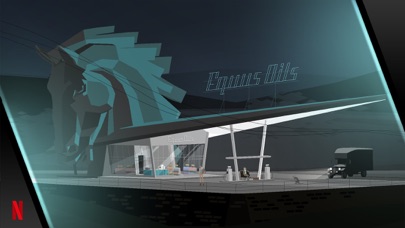
A narrative game that doesn’t fit neatly into any category. It’s part point-and-click adventure, part magical realism, part meditation on American infrastructure and loss. It’s strange, poetic, and completely free of pressure. No timer. No branching-dialogue illusion where your choice doesn’t matter. Just a story that unfolds, and you’re invited to participate..
The Minimalist Action Games
Some of the most satisfying indie games on iOS strip away everything except the core mechanic. No story. No progression systems. Just you, a simple rule, and the challenge of mastering it.
[Alto’s Adventure]
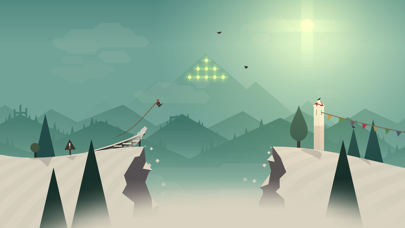
An endless runner that understands restraint. You tilt to move left or right, tap to jump. That’s it. No power-ups that break the game. No ads. No “watch this video to continue.” Just a beautiful, snowy landscape and the gentle pressure of increasing difficulty. It’s the kind of game you can pick up for two minutes or play for twenty, and it never feels like it’s trying to manipulate your time..
[Threes!]
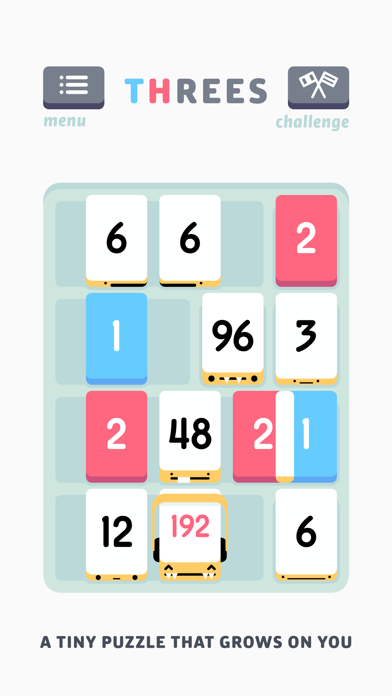
A sliding-tile puzzle that’s simple enough to learn in 30 seconds and deep enough to keep you thinking for hours. It’s the spiritual ancestor of 2048, but it’s the original and it’s better—the numbers follow logical rules that make the puzzle feel fair rather than random., no ads, no IAP.
Why These Games Cost Money (And Why That’s OK)
Paying for an iOS game feels wrong to some people because free-to-play has conditioned us to expect zero upfront cost. But consider what you’re actually paying for:
- Developer time. A solo developer or small team spent months building, polishing, and debugging. That labor has value.
- No extraction mechanics. The developer isn’t spending engineering cycles on dark patterns, analytics hooks, or monetization funnels. That’s time spent on the game itself.
- Longevity. A game that doesn’t depend on daily active users or engagement metrics can afford to be slow-paced, thoughtful, or even short. It doesn’t need to be designed to keep you coming back forever.
- Ownership. You’re buying a product, not renting access. That’s a different legal and ethical arrangement, and it costs more to offer.
Budget-tier games cost less than a single coffee. Mid-tier games cost less than lunch. For a game that respects your time and doesn’t try to extract more money later, that’s a fair trade.
How to Spot the Fakes
Not every game marked “premium” is actually premium. Some ship with ads hidden in the description. Some offer IAP that’s optional but heavily encouraged. Some are premium-priced but designed to make you feel like you’re missing out if you don’t spend more.
Red flags:
- “Free with ads” or “ad-supported” anywhere in the description. That’s not premium.
- In-app purchases listed, even if they’re cosmetic. You’re paying once; there shouldn’t be a second monetization layer.
- Stamina or energy systems. If you run out of energy and have to wait, that’s a free-to-play mechanic, not premium.
- Battle pass or seasonal content. Premium games are complete; they don’t need to keep you subscribed.
- A price that seems too low for the game size. If a 100-hour RPG, something’s wrong (usually: it has IAP or ads despite claiming to be premium).
The best check: read the recent reviews. If paying users are complaining about ads or IAP they didn’t expect, the game isn’t actually premium.
Where to Find Them
The App Store’s “Games” section is useless for this. Instead:
- TouchArcade (https://toucharcade.com) maintains a running list of premium iOS games and regularly reviews indie titles. Their editorial standards are high.
- AppShopper (https://appshopper.com) tracks price changes and lets you filter by “paid” games, which helps surface premium titles that aren’t trending.
- r/iosgaming (https://reddit.com/r/iosgaming) on Reddit has a strong culture around premium games. Regulars will point you toward quality indie titles and call out the fakes.
- Developer websites and social media. Indie developers often announce new releases directly on Twitter or their own sites. Following a few studios you trust is a good way to stay ahead of the curve.
The Backlog Problem (And Why It’s Good)
If you start buying premium indie games, you’ll accumulate a backlog. Games you bought but haven’t played yet. Games you started but didn’t finish. This is actually a sign that the model is working: you’re buying games you genuinely want to play, not games designed to trap you into daily check-ins.
A backlog of premium games is a library. You own them. You can return to them anytime. That’s different from a free-to-play game where the servers shut down or the monetization model changes and suddenly your progress is worthless.
FAQ
Q: Why does Into the Breach when similar tactics games are free? Into the Breach is a complete, polished game with no ads, no IAP, and no engagement hooks. Free tactics games typically monetize through cosmetics, battle passes, or energy systems. You’re paying for the absence of those mechanics—and for the developer’s ability to design a short, focused experience without needing to extract recurring revenue.
Q: Do these games get updates after purchase? Most premium indie games receive bug fixes and occasional feature updates for free. Some developers add new content years after launch. However, premium games aren’t designed around seasonal updates or battle passes—they’re complete when you buy them. Any updates are a bonus, not a requirement to keep playing.
Q: Will these games work offline? Most premium indie games work offline. Some (like Kentucky Route Zero) require an internet connection for the first launch or save sync, but once downloaded, you can play without WiFi. Check the App Store listing to confirm.
Q: Can I play these on iPad? Yes. Premium indie games are typically universal apps—they work on iPhone and iPad. Some take advantage of the larger screen; others just scale up. Either way, you own the game across both devices with a single purchase.
Q: What if I don’t like a game after I buy it? The App Store’s refund policy is strict but possible. You have up to 14 days to request a refund if you haven’t used the app much. After that, you’re stuck. That’s why reading reviews and watching gameplay videos before buying is important.
Q: Are these games ever on sale? Premium indie games rarely go on sale. Developers price them to sell at that point, not to create artificial scarcity. You might see a price drop if the developer is winding down support, but that’s rare. If a game is worth buying, it’s worth buying at its listed price.
Q: How do I know if a game is actually complete? Read the reviews. If the game shipped unfinished or the developer abandoned it, users will say so. Also check the release date—a game released 2+ years ago that still has active reviews is usually complete and stable.
The Bottom Line
Premium indie games on iOS aren’t a niche anymore—they’re a counterculture. They exist because some developers believe that a fair price for a complete game is better than extracting every dollar from players who feel trapped. That bet is paying off. The games are good. The players are loyal. The model works.
If you’re tired of free-to-play and ready to pay once for a game you’ll actually want to play, start with the picks above. Your backlog will thank you.