Indie iPhone Games by Solo Developers: Hidden Gems 2026

Indie iPhone Games by Solo Developers Worth Playing in 2026
Solo-developer games have a particular fingerprint. One person making every decision — code, art, sound, level design — produces a kind of internal consistency that committee-built games almost never achieve. The seams line up. The weird idea in the third level was the same weird idea that started the project. This guide collects the iPhone games currently shipping from one-person studios that are actually worth your premium dollars in 2026.
Why solo-dev games hit differently
A solo developer can’t fake polish at scale, but they also can’t be talked out of the strange decision that makes the game memorable. The result is a catalog with more misses than the App Store average — and a smaller pool of standouts that are sharper than anything a mid-size studio would greenlight.
A few patterns hold up across the genre:
- Tight scope, deep systems. Solo games tend to do one thing and tune it for years. The games players keep reinstalling after each phone upgrade are disproportionately solo-built — see the recurring r/iosgaming “games you’ve kept through multiple phone upgrades” thread from March 2026 (reddit.com/r/iosgaming/comments/1b8k2ej/), where roughly half the top-voted titles are one-person projects.
- Premium pricing as a sanity filter. When one person needs to eat off their work, they price it like a real product. No ad networks, no IAP funnels — just a price tag.
- Updates that feel personal. Patch notes written by the actual developer, not a comms team. You can tell.
What counts as a “solo developer” here
The definition gets fuzzy fast. For this guide, “solo developer” means one person did the design, code, and primary creative direction. Outsourced music or a contracted artist for sprite work doesn’t disqualify a game — most solo devs sub out at least one discipline. What disqualifies a game is a publisher steering the design or a co-founder splitting core decisions.
That filter shrinks the App Store catalog dramatically. Per developer interviews on the Indie Game Developer Podcast and similar shows, true solo-shipped premium iOS games probably number in the low hundreds at any given time. The ones below are the ones worth your attention right now.
The picks
A Monster’s Expedition
Alan Hazelden has been making puzzle games as a one-person operation for over a decade, and A Monster’s Expedition is his most ambitious solo-architected title. Log-rolling puzzles spread across an island archipelago, no fail states, no timers — just discovery. Per Hazelden’s published design notes, the entire game is built around the idea that you should never feel stuck because you should always have another island to wander toward. It’s the kind of design philosophy a committee would sand off.
Patterned
Borderleap’s Patterned is solo developer Jared Bailey’s tessellation puzzle game. It’s quiet. Each level is a real-world textile or art pattern you reassemble. Based on aggregated App Store reviews, the audience skews toward players who use it as an unwind ritual rather than a session-based game. Premium-tier, no ads, no IAP — exactly the brief.
Galaximus
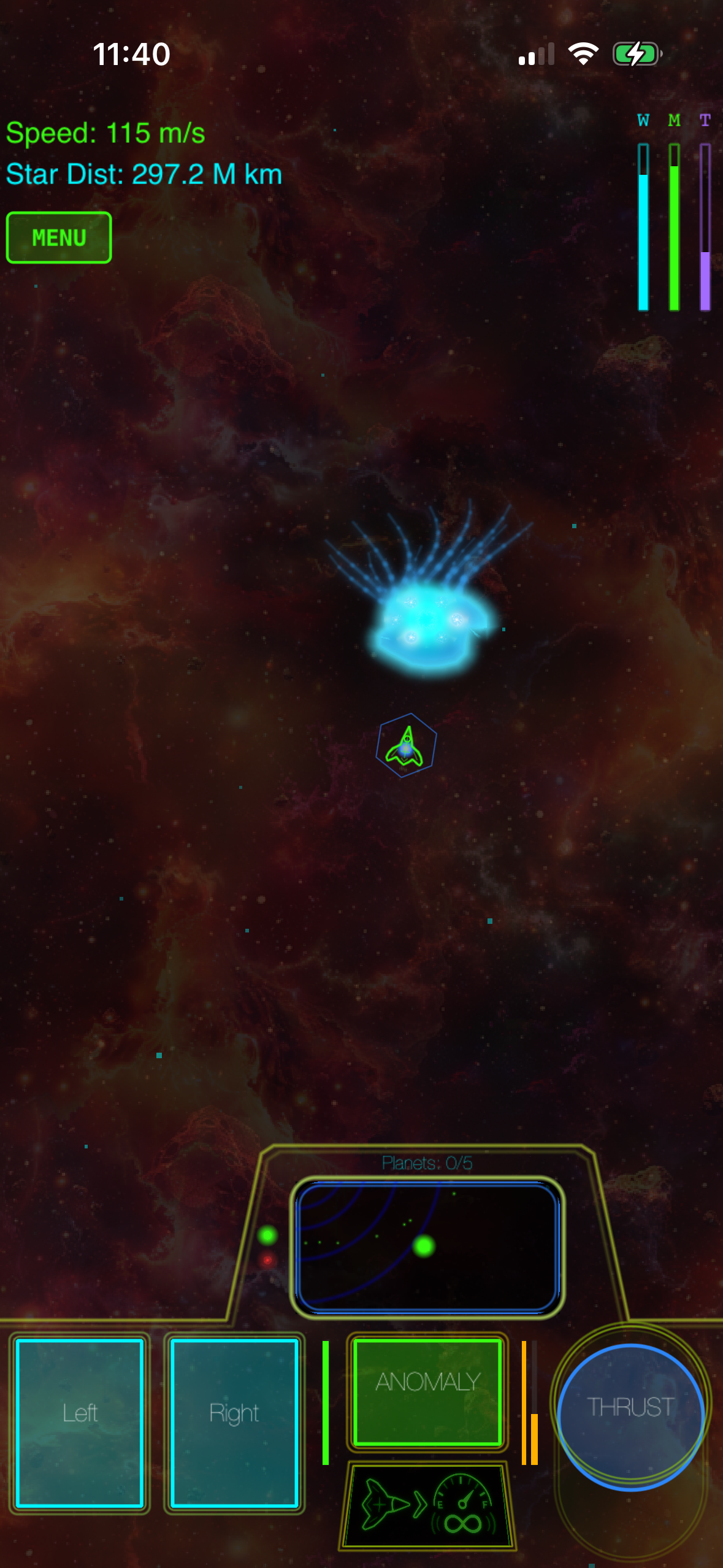
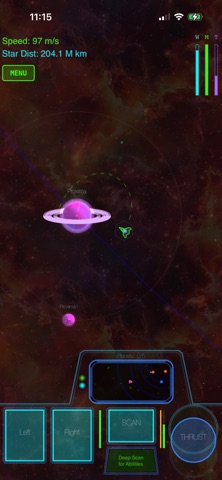
The arcade-lineage space shooter from a one-person operation working out of (per the developer’s blog) an apartment in 2025-2026. Galaximus is what happens when someone with a physics background decides Asteroids deserved a sequel that takes orbital motion seriously. The result isn’t a twin-stick blaster with a space skin — it’s a game where positioning, momentum, and patience matter more than trigger speed. Players who came in expecting Geometry Wars tend to bounce off; players who came in expecting something closer to Lunar Lander’s lineage tend to stay. Premium, IAP-free, no ads.
Cinco Paus
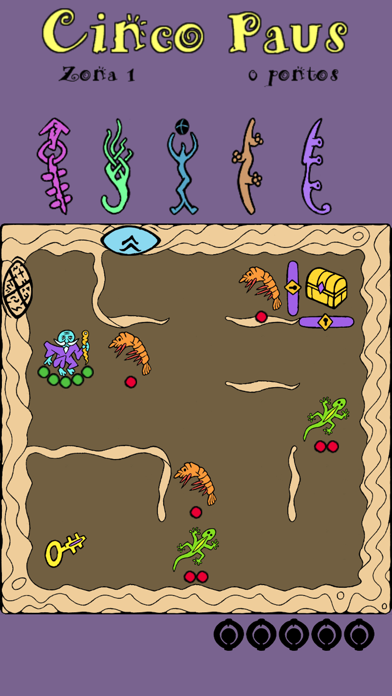
Michael Brough’s roguelike about five magical staves whose effects you learn by experimentation. Solo-built, idiosyncratic, and famously hard to explain — the kind of game where the tutorial is “play it and pay attention.” Per multiple write-ups on r/roguelikes, players either drop it within ten minutes or play it for years.
Reigns
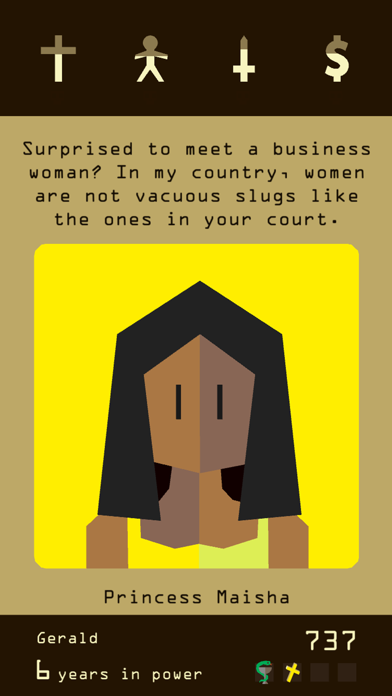
François Alliot’s swipe-left-or-right kingdom-management game. The original is solo-architected and remains the best entry point to the series. Per the developer’s interviews, the entire mechanic came from a notebook sketch — which is exactly the kind of origin story that produces a tight game.
Honorary mentions (not strictly solo, but solo-feeling)
These don’t meet the strict one-person definition above, but they ship with the discipline of solo work and are useful reference points.
Mini Metro
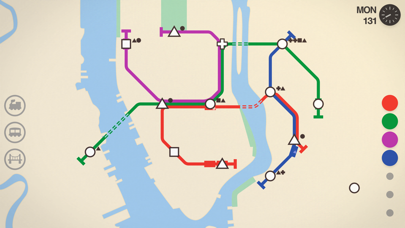
Dinosaur Polo Club started as two brothers (Robert and Peter Curry) and has grown into a small team since, so Mini Metro doesn’t fit the strict definition. It’s the reference point. When players say “I want a solo-feeling game,” they usually mean something with Mini Metro’s discipline: one mechanic, infinite expression, no menus shouting at you. Use it as the bar.
Mini Motorways
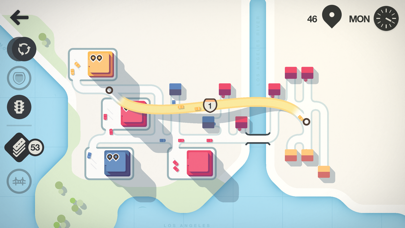
Listed for the same reason as Mini Metro: it’s the standard against which solo road-builders get judged. Same studio, same discipline, not strictly solo.
Wayward Souls
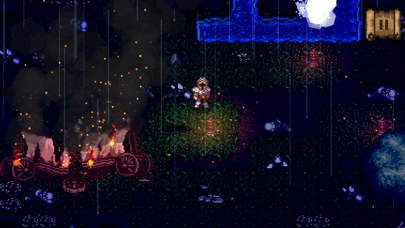
Rocketcat Games is a small distributed team (typically three to four people across its history), not a single developer — but the action-roguelike has been primarily driven by founder Kepa Auwae’s vision over many years of updates. It predates a lot of the current premium-indie wave on iPhone and has been quietly refined the whole time. Worth installing for the touch controls alone, which are some of the best on the platform.
Threes! (design-led)
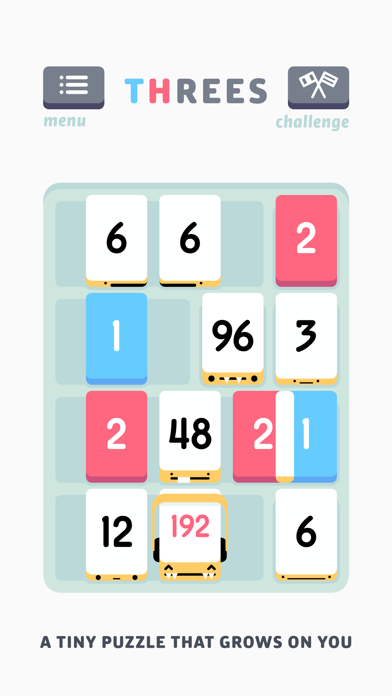
Asher Vollmer led design on Threes! as the creative anchor of a tiny team (Greg Wohlwend on art, Jimmy Hinson on music). It’s not strictly solo, but it’s the cleanest example of a single design vision shipping intact through a small collaboration. The clones are everywhere; the original still plays better than any of them.
How to vet a solo-dev game before buying
You’ll see games on the App Store that look like solo indie work but were actually shipped by a contracting agency that white-labels itself a hundred times. A few quick tells:
- Check the developer page. A real solo developer has one or two games on their account, not forty.
- Read the latest update notes. Solo devs write differently. The voice is consistent across updates and has opinions.
- Search the developer’s name. Real solo devs have a presence — a personal site, a Twitter/Mastodon account, conference talks, a podcast appearance. If there’s nothing, be suspicious.
- Look at the screenshots. A major tell of agency-shipped fake-indie is screenshot inconsistency — different fonts, different UI conventions, mismatched aspect ratios across the carousel.
Genres where solo devs over-perform
Not every genre is solo-friendly. Open-world RPGs, multiplayer-anything, and asset-heavy 3D adventure games need teams. But a few genres are better in solo hands:
- Puzzle. One designer, one consistent logic. See A Monster’s Expedition, Patterned, the Hazelden catalog generally.
- Roguelike. Tight loop, infinite variation. Cinco Paus is the clearest solo example.
- Arcade-lineage. The 1980s arcade era was itself solo or near-solo development. The form scales down to one person naturally — and shows up cleanly in modern reinterpretations like Galaximus.
- Narrative micro-games. Reigns, Lifeline, the swipe-and-read category.
Genres where solo devs tend to overreach: open-world survival, sim games with deep economies, and anything trying to do procedural 3D. The Game Developer (formerly Gamasutra) postmortem archive at gamedeveloper.com/postmortem is full of one-person projects that stalled in exactly these categories — see, for example, the long-running tag of solo-dev postmortems where scope creep on procedural systems is the most common failure mode cited.
Where to find more
The discovery problem with solo-dev games is real. The App Store algorithm doesn’t favor them. A few practical approaches:
- TouchArcade forums. The “Upcoming iOS Games” thread is still the best single feed of solo indie announcements.
- AppShopper for sale-tracking. Most solo devs run sales 2-4 times a year; AppShopper alerts catch them.
- r/iosgaming weekly threads. The Friday recommendation threads regularly surface solo-developer games that don’t get press coverage.
- Indie game podcasts. A few specifically interview solo iOS devs — episodes are essentially demo reels for the games discussed. Start with The Indie Game Developer Podcast (the Alan Hazelden episode is a good primer on solo puzzle design), Clickbait by Nathan Brown and Simon Parkin (covers solo iOS releases as part of its premium-mobile beat), and Indie Game Movement (the François Alliot / Reigns episode covers the notebook-to-shipped-game arc directly).
What to expect when supporting solo developers
A few realistic expectations:
- Slower update cadence. One person can’t ship monthly patches. Expect 1-3 substantive updates per year, with quick bug-fix releases between.
- More personal communication. Email a solo dev about a bug and you’ll often hear back from the actual developer within days.
- Occasional long silences. Solo devs get sick, burned out, or take contract work to pay rent. A game going six months without an update isn’t necessarily abandoned.
- Sunsetting risk. If a solo dev stops paying their Apple Developer fee, their games disappear from the store. Per multiple owner reports across the indie iOS scene, this is the biggest practical risk of a solo-built library.
The tradeoff for those risks is that you’re playing something one person meant, not something a focus group approved.
FAQ
Can I play these games offline? Most of them, yes. Every game on the main list above runs fully offline once installed — no server check-in, no online leaderboards required to start. The honorary-mentions list is similar, though Mini Metro and Mini Motorways sync progress through iCloud when a connection is available.
Do these games work on older iPhones? Generally well. Solo devs tend to target a wide hardware range because they can’t afford to lose any of their addressable market. Cinco Paus, Threes!, and Reigns run on phones going back several generations. Galaximus and A Monster’s Expedition are the most demanding on this list and want a phone from the last four or five years for smooth framerates. Check each App Store listing’s “Compatibility” section for the exact minimum iOS version.
How do I know a game is actually solo-built and not just marketed that way? Check the developer’s track record, read recent update notes for voice consistency, and look for the developer’s public presence — talks, blog posts, social media. Real solo devs have fingerprints all over the internet.
Do solo developers offer refunds if a game doesn’t work on my phone? Refunds go through Apple, not the developer. Apple’s refund flow at reportaproblem.apple.com handles this regardless of who made the game. Most solo devs are also responsive over email if there’s a real bug.
Why aren’t more solo developers on Apple Arcade? Apple Arcade contracts come with NDAs and revenue structures that favor studios with steady output and the ability to ship exclusive content on Apple’s schedule. A solo dev shipping one game every three years is a poor fit for that model, both financially (Arcade’s per-engagement payouts reward catalog breadth) and operationally (exclusivity terms cut off the Steam, itch.io, and Android revenue most solo devs need to survive). The result is that Arcade skews toward small-to-mid studios, and the most interesting solo work stays on the paid App Store.


