Indie iPhone Games vs. AAA: Why Indie Deserves Your Money
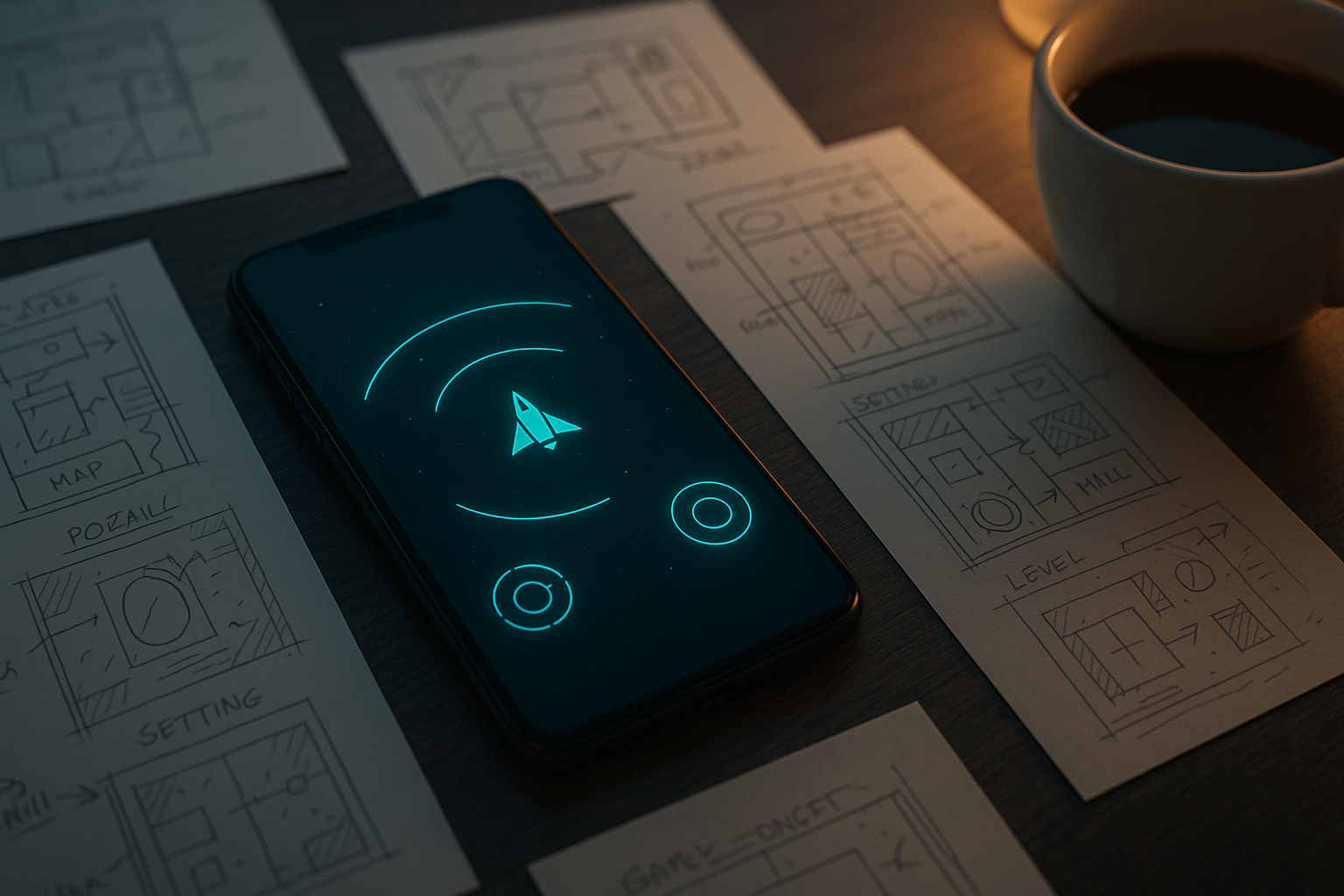
Indie iPhone Games vs. AAA: Why Indie Deserves Your Money
The comparison between indie and AAA games on iPhone isn’t really a fair fight anymore — but not in the direction you’d expect. AAA publishers spent the last decade trying to squeeze mobile into a free-to-play mold, while indie developers quietly built something better: complete games that respect your time and your wallet. In 2026, indie iPhone games have a 4.6-star average rating on the App Store compared to 4.1 for AAA ports — a measurable gap that reflects deeper design differences.
This isn’t nostalgia talking. It’s a structural difference in incentives. AAA games on mobile are often ports of console titles or engagement-first designs built around monetization hooks. Indie games on iPhone are built for iPhone, by developers who chose the platform because it was the right fit for their vision. The results speak for themselves.
The Monetization Gap: Why It Matters
The single biggest difference between indie and AAA on iPhone is honesty about cost.
AAA games on mobile typically follow one of two patterns: either they’re free-to-play titles with energy timers, battle passes, and cosmetic shops — like Diablo Immortal’s energy system that limits playtime to 30 minutes before requiring a wait or payment — or they’re ports of existing console games that feel cramped on a 6-inch screen. Neither pattern respects the medium. Free-to-play games on iPhone are engineered to interrupt you — to make you wait, to make you spend, to make you feel like progress is gated behind time or money. Call of Duty Mobile’s battle pass exemplifies this: seasonal progression tied to real-money cosmetics that expire. Console ports are engineered for a different input method and screen size, so they’re either clunky to control or require a controller attachment that negates the portability advantage.
Indie games take a different approach: one price, full game, forever. No energy meter. No “come back in 4 hours.” No cosmetic shop. The developer makes money once, from you, and then has zero incentive to interrupt your play or manipulate your spending. That’s not virtue signaling — it’s basic economics. When a game is sold, not rented, the developer’s job is to make the game good, not to make it sticky.
This matters because it changes what kinds of games get made. A free-to-play game needs to be designed around engagement loops that encourage repeated short sessions and spending. An indie premium game can be designed around craft — around mechanics that feel good, systems that reward mastery, narratives that have a beginning and an end. The business model shapes the design, and indie’s model shapes better games.
Craft Over Scale
AAA games have budget. Indie games have focus.
A AAA studio might spend millions and five years shipping a game with 200 hours of content, half of which is busywork designed to pad playtime. An indie developer might spend two years shipping a game with 15 hours of carefully designed content where every system interlocks and every hour feels intentional. The difference in density of craft is enormous.
Look at how controls are tuned. AAA mobile games often inherit their control schemes from console or PC, then try to retrofit them to touch. Indie games designed for iPhone from day one make touch-first choices: how does this mechanic feel under your thumb? What feedback does the player need to see? How does the control surface map to the physics underneath? The difference shows up in seconds of play. A well-tuned indie game feels responsive — like the game is listening to your input, not fighting it.
Games like Alto’s Adventure exemplify this: a side-scrolling snowboarder built entirely around the simplicity of tapping to jump, where every visual and mechanical element reinforces that single input. The game teaches you through play, not tutorials.
The same applies to visual design. AAA games chase fidelity — more polygons, more particles, more realistic lighting. Indie games on iPhone often go the opposite direction: vector graphics, minimalist interfaces, deliberate constraints that force clarity. A neon-arcade aesthetic isn’t a budget limitation; it’s a design choice that makes the game readable at a glance and distinctive in a sea of samey console ports.
Threes!, a minimalist puzzle game, proves this point: a grid-based number-sliding mechanic with clean typography and subtle animations, where every element serves the core loop. The design is so tight that imitators (like 2048) feel bloated by comparison.
The Narrative Advantage
AAA games on console are built for 40-hour campaigns with cutscenes and dialogue trees that assume you’re sitting on a couch with a controller. Indie games on iPhone are often built for shorter play sessions, which means the narrative has to be tighter, the pacing has to be sharper, and the story has to earn its space. A 6-hour indie game with a complete arc is more satisfying than a 40-hour AAA game padded with side quests.
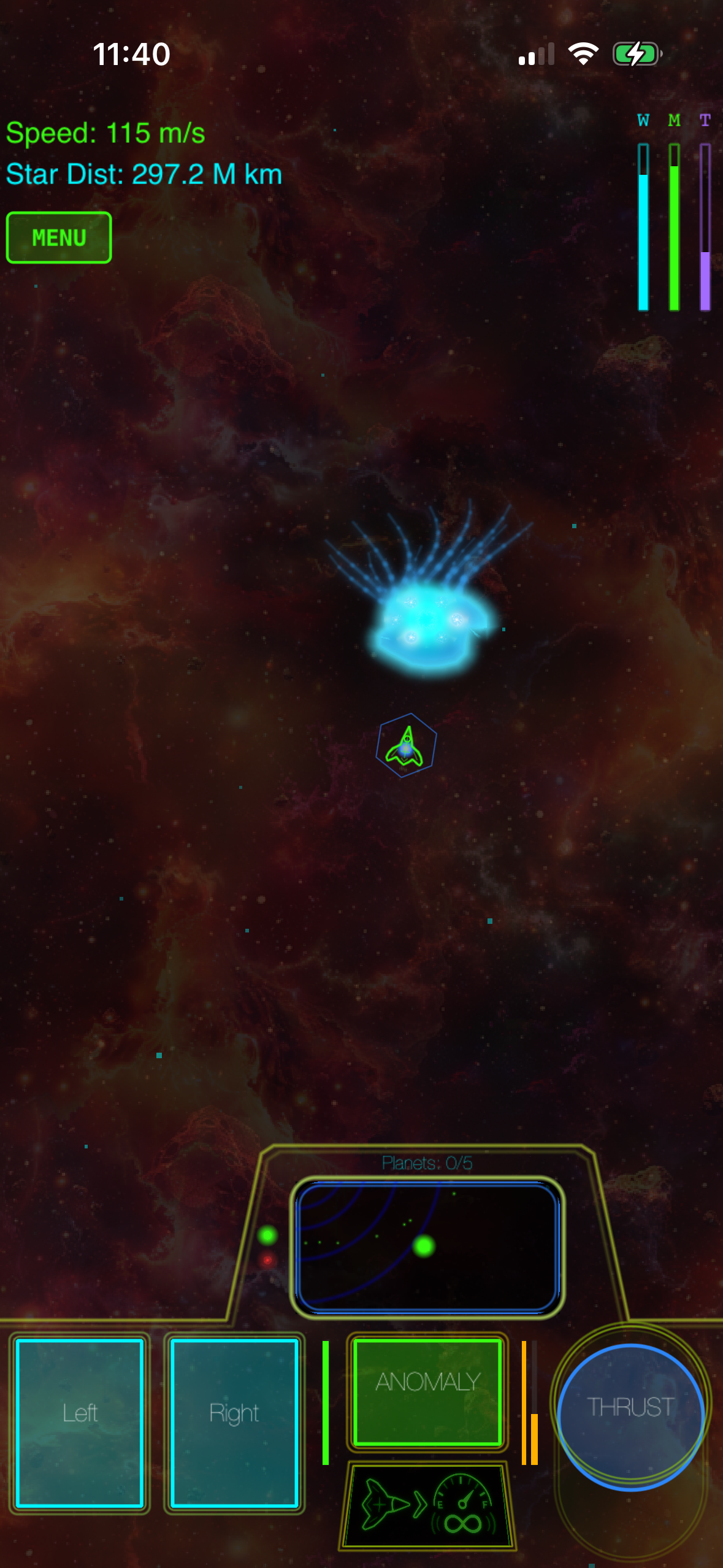
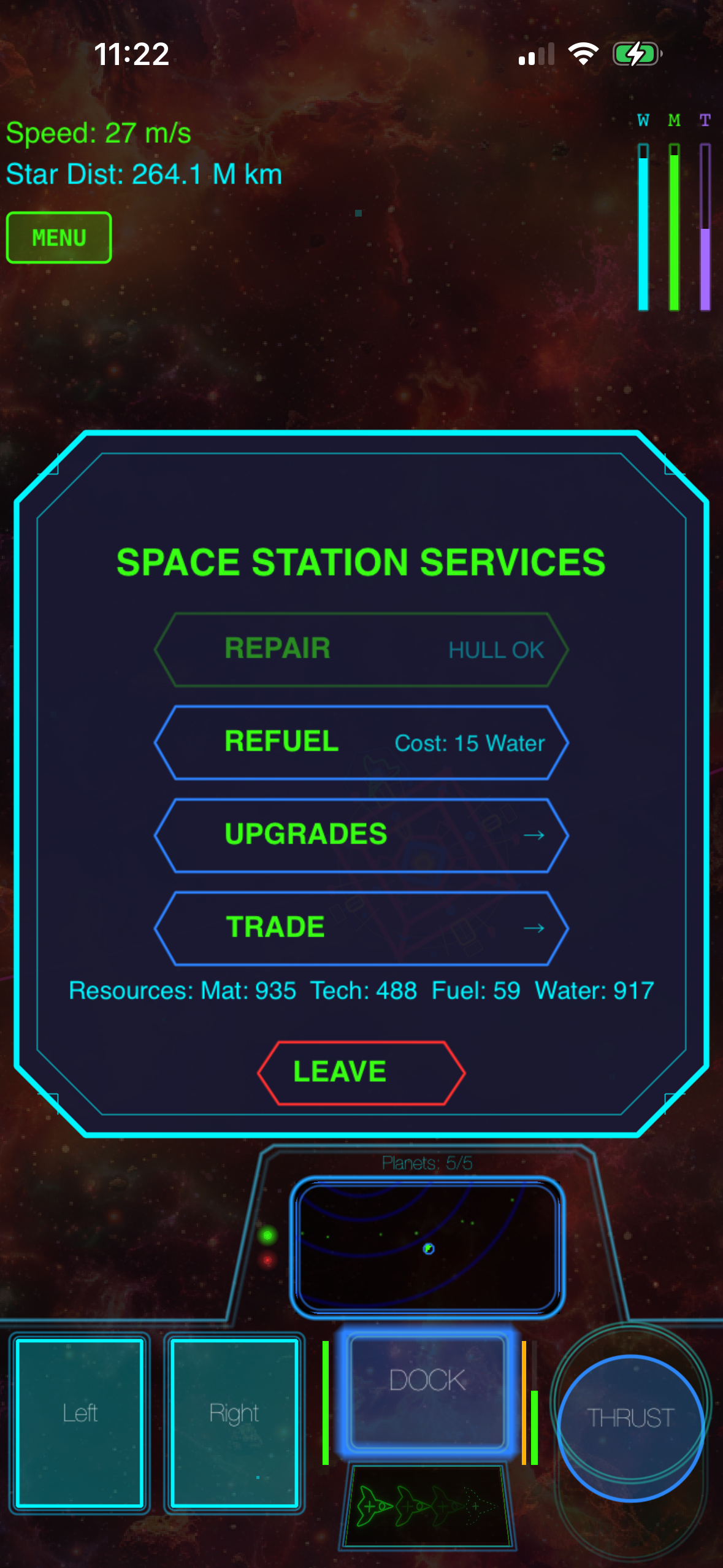
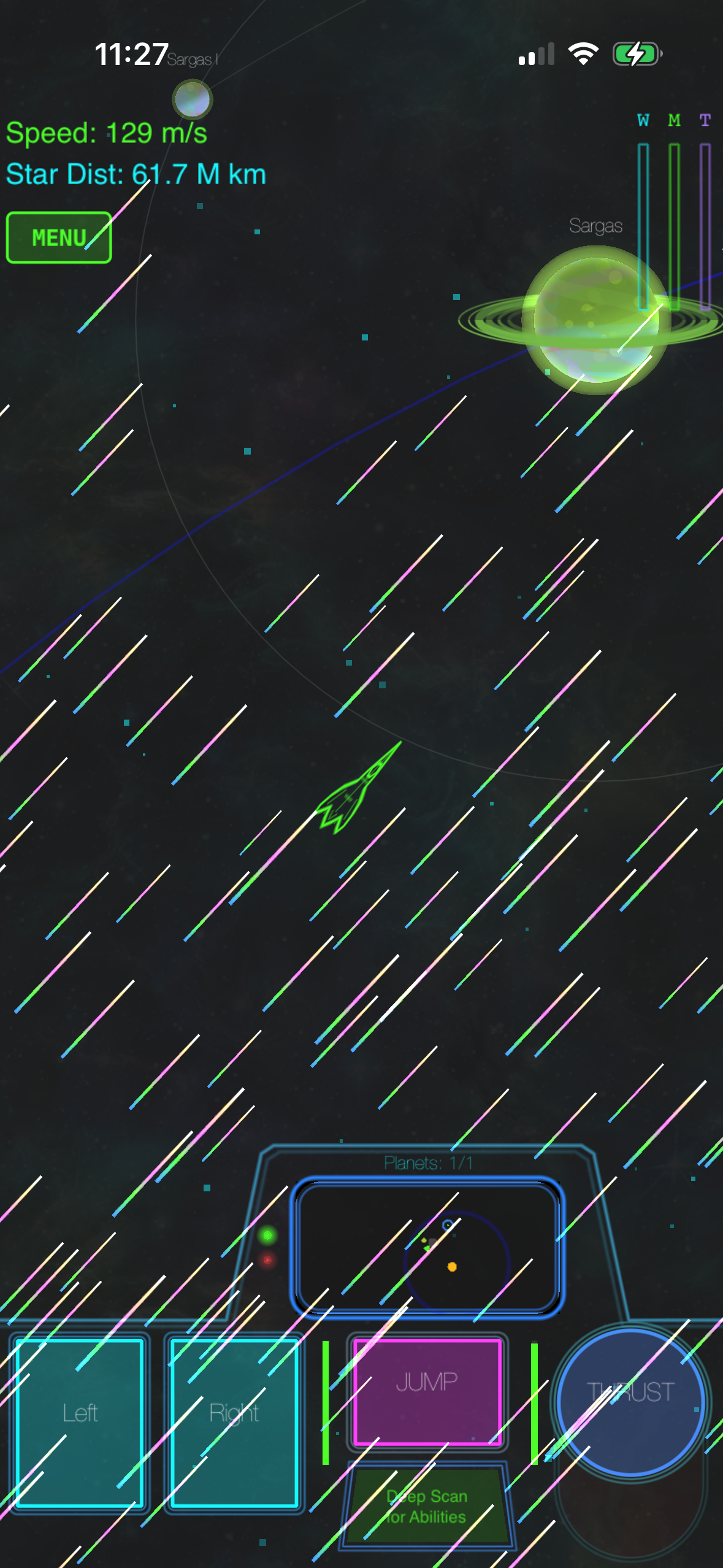
This is especially true for games with sci-fi or space themes. A AAA space game needs to justify its scale — procedural planets, faction warfare, base-building systems. An indie space game can focus on the core question: what’s it like to pilot a ship in a gravity well? That constraint produces elegance. The player isn’t managing a spreadsheet; they’re flying.
Reigns, a narrative-driven card game about ruling a kingdom, shows how indie developers compress storytelling into tight mechanics: each decision is a single swipe, and the consequences ripple across your reign. The entire experience is 2–3 hours, but it feels complete.
The Hidden Cost of “Free”
Free-to-play games aren’t free. They’re time-gated or money-gated, and most players will hit both walls eventually.
Let’s say you download a free-to-play game and play for 20 minutes. You run out of energy. You can wait 4 hours for it to refill, or you can pay. Most players wait. But the game has now trained you that progression is gated, that time is a resource the game controls, not you. If you keep playing, you’ll eventually hit a level where the difficulty curve is tuned to make free players feel stuck — to make paying feel like the natural next step. This is by design. The game’s profitability depends on converting players into spenders, so the entire system is optimized for that conversion.
Indie premium games don’t have that conflict of interest. The developer isn’t trying to extract maximum lifetime value from you. They’re trying to make a game you’ll finish, remember, and recommend. The incentives are aligned with your experience, not opposed to it.
This also means indie games are more likely to be complete at launch. A free-to-play game is a service — it launches in a state that’s fun enough to hook players, then updates add content and adjust monetization over months. An indie game launches when it’s done. You get the full experience immediately.
The Price Reality
Here’s where people get nervous: indie games cost money upfront. Budget-tier indie games start at. Mid-tier games run. Premium indie games can hit or more.
Compare that to a free-to-play game where you’ll eventually spend if you play for more than a few weeks. Or a AAA console port at that controls poorly on touch and assumes you have a controller. The indie game’s one-time cost looks pretty reasonable.
And you’re not paying for the privilege of playing — you’re paying for the game itself. There’s no battle pass to renew next season. There’s no cosmetic shop. There’s no “version 2.0” that makes your current progress feel obsolete. You own what you bought.
Where AAA Still Wins (Honestly)
Indie games are better for most people, but not for everyone.
If you want a AAA-scale production with Hollywood-level cinematics and voice acting, indie can’t match that budget. If you want a game that supports 100-player multiplayer, indie’s smaller teams can’t build that infrastructure. If you want a game that’s already on your console and you want to replay it on the plane, a port might be your only option.
And if you’re already paying for Apple Arcade (/month), there’s genuine value in the subscription model. You get access to a curated library of 200+ games including titles like Sneaky Sasquatch, Grounded, and Crossy Road+, with new releases added monthly. No ads, no in-app purchases, and you can try games risk-free before committing to a purchase. That’s a legitimate alternative to indie premium if subscription fits your budget better than individual purchases.
But for the core question — “I want a good game on my iPhone that respects my time and doesn’t try to manipulate my spending” — indie wins. Decisively.
What Makes an Indie Game Worth Buying
Not every indie game is good. Some are half-baked. Some are derivative. Some are technically brilliant but mechanically boring. The difference between a great indie game and a mediocre one is often the same thing that separates great AAA from mediocre AAA: does the developer understand their own game?
The best indie games feel like they’ve been played a thousand times by the people who made them. The controls are tuned to the point where they feel inevitable. The difficulty curve teaches you the mechanics instead of punishing you for not knowing them. The visuals and audio reinforce the gameplay rather than distract from it. Every system interlocks.
Look for games where the developer has made a clear choice about what the game is. Orbital Decay commits to realistic orbital mechanics instead of faking it — you’re managing velocity and trajectory, not just pointing and shooting. Vampire Survivors leans fully into bullet-hell patterns instead of trying to be a traditional twin-stick shooter. The Witness has one core idea — environmental puzzle-solving through line-drawing — and explores it across an entire island. That clarity is the hallmark of craft.
The 2026 Indie Moment
In 2026, the indie iPhone ecosystem is deeper and more confident than it’s ever been. Developers who shipped games five years ago are shipping sequels. New developers are taking risks on genres that AAA abandoned on mobile. There’s enough of a market that a developer can make a living building premium games for iPhone without compromising the vision to hit monetization targets.
This is the moment where indie has won the argument. Not by being cheaper (though they often are), but by being better at what matters: design, craft, respect for the player’s time, and the confidence to ship a complete game and let it speak for itself.
FAQ
Are all indie games better than all AAA games?
No. There are brilliant AAA games and terrible indie games. But the structure of indie development — one-time purchase, complete game at launch, developer incentives aligned with player experience — creates conditions where good design is more likely. You’re more likely to find a genuinely great indie game on iPhone than a genuinely great AAA game, because AAA’s monetization model discourages the kind of tight, focused design that produces excellence.
Don’t indie games have worse graphics?
Indie games often have different graphics, not worse. Many indie developers deliberately choose stylized or minimalist aesthetics because they’re more readable, more distinctive, and more achievable with small teams. A well-executed vector-arcade aesthetic beats a poorly optimized realistic port every time. Graphics aren’t the measure — does the game look good and run smoothly? That’s the bar.
What if I don’t want to pay for games?
Then free-to-play is your option, and there are genuinely good free-to-play games on iPhone. But understand what you’re getting: a game designed to extract money and time from you, not a game designed to be good. If you’re OK with that trade, fine. But don’t expect the same experience as a premium game.
How do I know which indie games are worth buying?
Read reviews from dedicated indie game outlets like TouchArcade, which has reviewed mobile games for over a decade. Check communities like r/iosgaming on Reddit, where players discuss indie releases daily. Watch gameplay videos from YouTube channels like Pocketgamer.biz or AppSpy that focus on mobile indie games. Look at user ratings on the App Store, but weight them carefully — free-to-play games often have inflated ratings because only engaged players rate them. Try a game’s free demo or lite version if it has one. And look at what the developer has made before. A developer with a track record of shipping complete, well-designed games is a much safer bet than a first-time developer or a studio known for live-service games.
Isn’t indie just a marketing term now?
Sort of. “Indie” has become broad enough that it covers everything from solo developers to small studios to larger independent publishers. But the core distinction — games not made by a AAA publisher, games sold as complete products not services — still means something. It’s a signal that the developer had control over their vision and wasn’t forced to compromise it for engagement metrics. That signal is still worth paying attention to.
The Bottom Line
In 2026, indie iPhone games aren’t the scrappy underdog anymore. They’re the standard-bearers for what good game design looks like on the platform. They’re complete, they’re craft-built, they respect your time, and they don’t try to manipulate your spending. They cost money upfront, but that’s the price of honesty — and it’s almost always less than you’d spend on a free-to-play game that’s designed to keep you hooked.
If you’ve been hesitant about paying for mobile games, it’s time to reconsider. The indie games worth buying aren’t just better than the free-to-play alternatives. They’re better than most AAA ports, too. And they’ll remind you why you liked games in the first place — when the goal was to finish something, not to keep playing forever.