iPhone Games with Story and No IAP: Narrative Adventures

Photo by Onur Binay on Unsplash
iPhone Games with Story and No IAP: Narrative Adventures Worth Playing
Story-driven games on iPhone usually come with a catch: energy timers, battle passes, or constant pressure to spend. But premium titles prove you don’t need free-to-play mechanics to tell a compelling narrative. These games charge upfront, deliver complete experiences, and trust the story itself to keep you engaged.
Why Premium Story Games Matter on iPhone
The free-to-play model trains players to expect interruption. Energy meters, ads between chapters, offers to skip waits—these aren’t design choices, they’re monetization scaffolding bolted onto games that would work fine without them. Story-driven games suffer most under this model because narrative momentum matters. Breaking a scene for an ad or a “continue tomorrow” timer destroys the emotional weight that makes a story stick.
Premium story games—the kind you buy once and own—operate on different logic. The developer’s incentive is to make the story so engaging you finish it and recommend it to friends, not to maximize session length or push you toward a purchase. The result is games where pacing, tone, and emotional beats are under the writer’s control, not the monetization team’s.
On iPhone specifically, this matters because the device is intimate. You’re holding a screen inches from your face. A well-told story on a phone hits differently than the same story on a TV. Developers who understand this build for the medium—dialogue that lands in short bursts, visuals that work at phone scale, narratives that don’t demand a controller or a 40-hour time commitment.
Galaximus: Gravity and Narrative in One
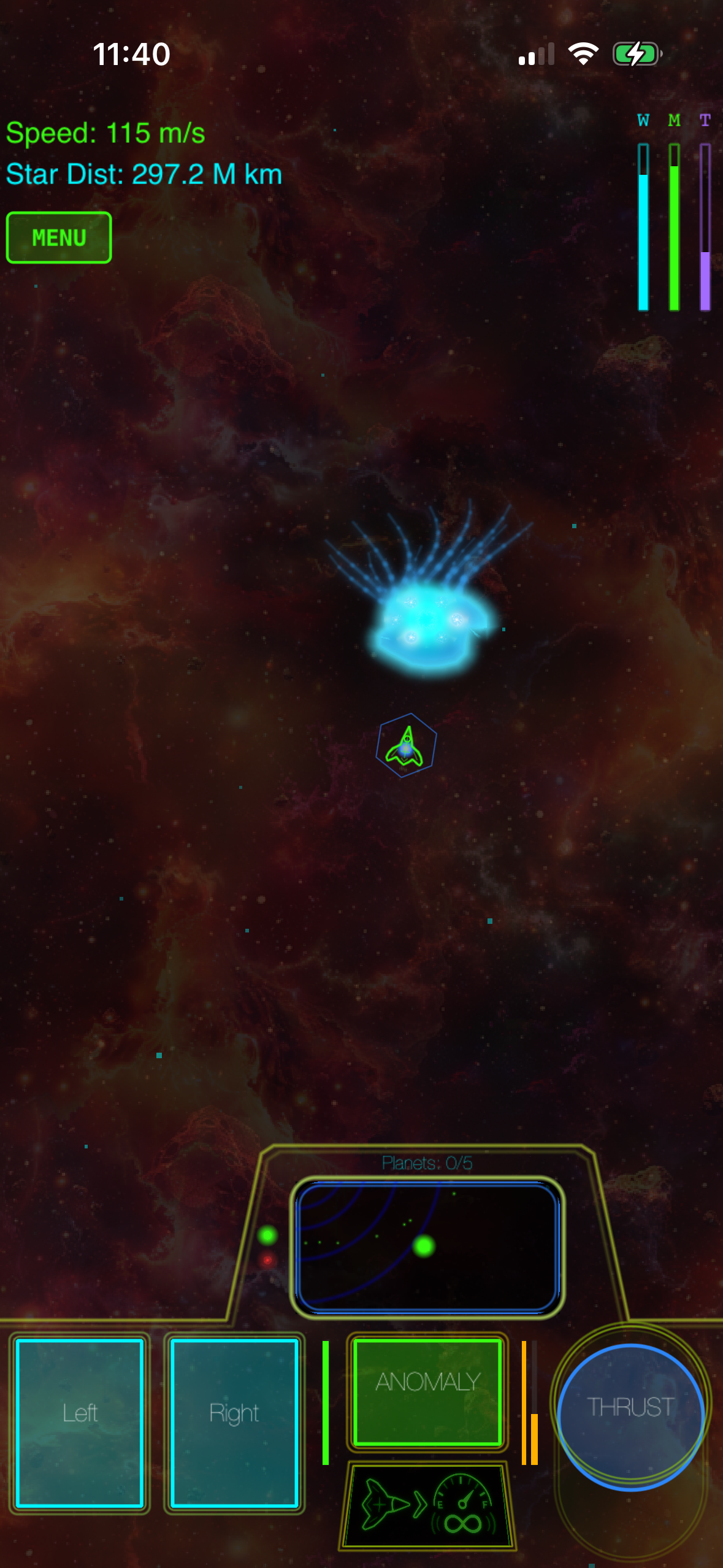
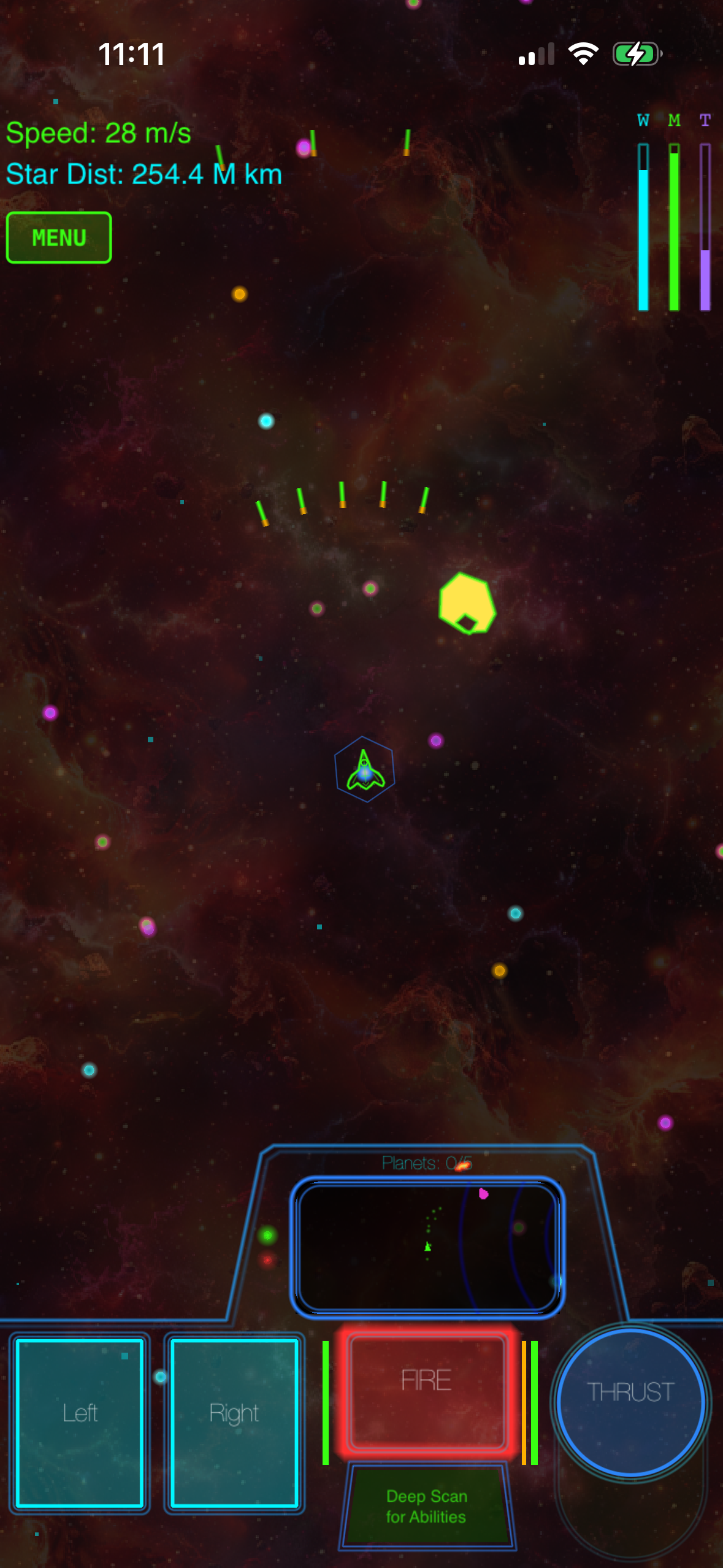
If you want a story that emerges from gameplay rather than cutscenes, Galaximus offers something rare on iPhone: a space exploration narrative where your piloting decisions shape how the story unfolds. The game models real orbital mechanics—every celestial body’s gravity affects every other body in real time—and uses that physics as the narrative interface. You’re not reading about gravity wells; you’re using them to slingshot between planets, and each maneuver brings you closer to understanding what happened to the civilization you’re investigating.
The campaign spans eight procedurally configured star systems with a structured narrative arc. Each system contains anomalies—derelict ships, distress beacons, spacetime rifts—that reveal pieces of a larger mystery. The story doesn’t pause for cutscenes; it unfolds as you explore, negotiate with alien captains, and piece together what went wrong. Procedural generation ensures that while the narrative shape is authored, each playthrough generates unique planetary configurations, so the path to answers changes every time.
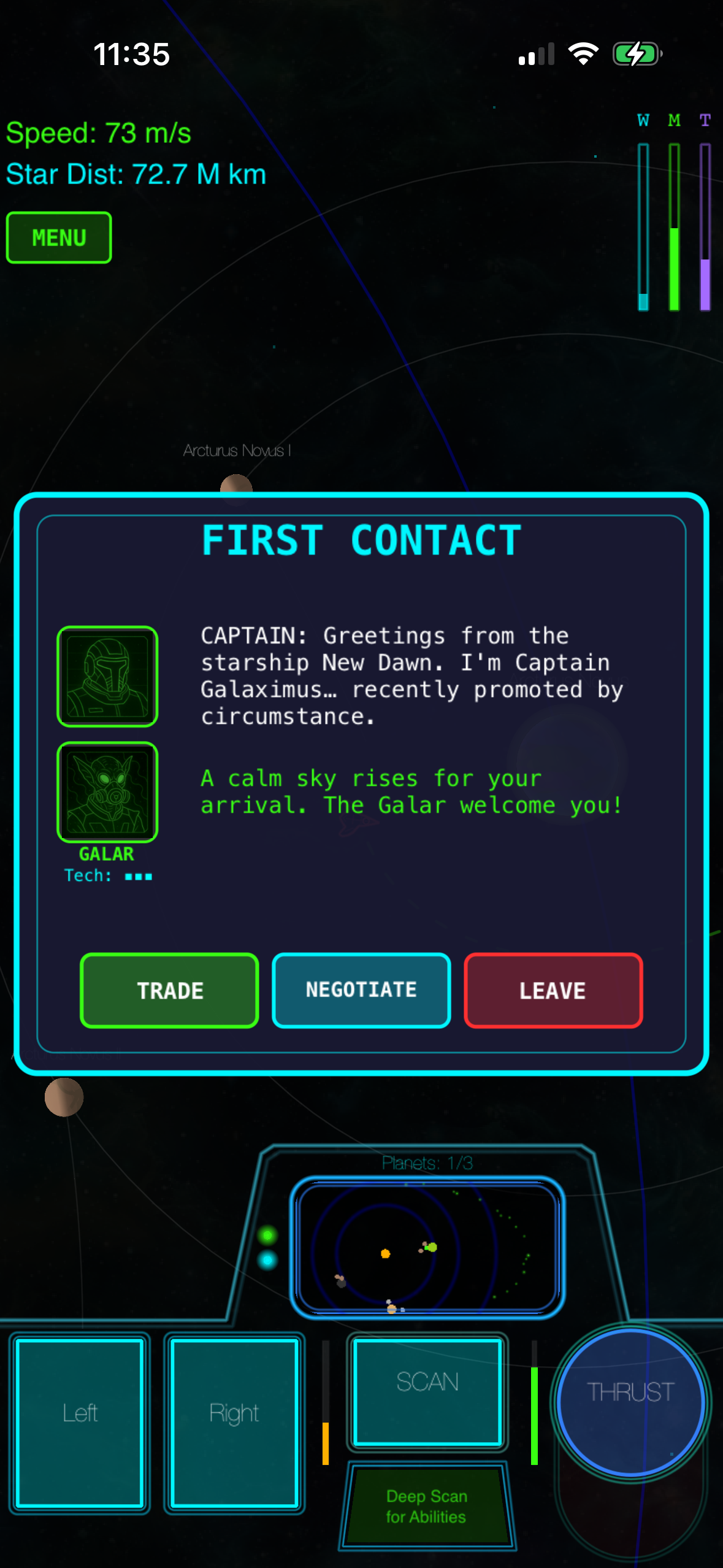
The writing leans into hard sci-fi themes without getting bogged down in exposition. Characters speak naturally, with synthesized voices that match the vector-arcade aesthetic. The tone is serious—this is a game about loss and discovery—but the pacing respects your time. A focused playthrough takes a few hours; there’s no padding, no grinding, no artificial gates.
Galaximus is priced at at launch. An expansion, Infinitum (open-galaxy sandbox with planetary surface exploration), is coming in late 2026. The developer has stated that players who purchase before Infinitum’s release will receive the expansion at no additional cost.
The Witness: Puzzles That Tell a Story
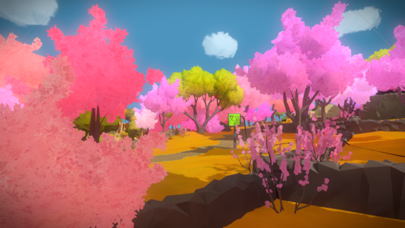
The Witness is a first-person exploration puzzle game that doesn’t explain itself. You arrive on an island with no briefing, no UI, no dialogue. You see a maze-like line puzzle on a panel. You solve it. Another panel appears. Gradually, as you solve hundreds of puzzles, the island’s history—and the reason you’re here—emerges.
The narrative is environmental and philosophical. You’re not following a character arc; you’re uncovering the ideas that shaped this place. Panels reference optics, symmetry, perspective, and meaning. The story asks: what does it mean to see? What makes something a puzzle versus a statement? By the time you’ve solved the major puzzle clusters, you understand not just what happened on the island, but why the game itself is structured the way it is. The medium becomes the message.
The game respects your intelligence. It doesn’t hold your hand, doesn’t explain mechanics in text, doesn’t have a “difficulty” slider. If you get stuck, you explore elsewhere. If you’re frustrated, you can walk away and come back—the island doesn’t punish you for taking breaks. This pacing allows the narrative to breathe. You’re not rushing through story beats; you’re living in this space, discovering it at your own rhythm.
. No ads, no IAP.
Oxenfree: Dialogue That Matters
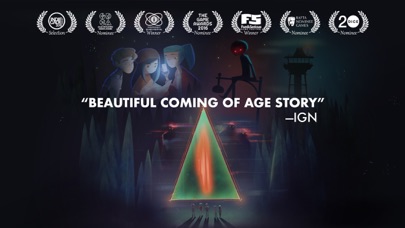
Oxenfree is a supernatural adventure about a group of friends on an island where something goes wrong. What makes it narrative-driven rather than choice-driven is that your dialogue choices feel natural—they’re not “good/bad/neutral” options with obvious consequences. You’re just talking to people the way you’d talk to friends: interrupting, joking, asking questions, sometimes saying the wrong thing.
The game respects the weight of those choices. Early conversations shape how characters perceive you, which affects what they’ll tell you later, which changes what you can do in the climax. The story has a real ending—not multiple endings where you reload to see the “best” one, but one ending shaped by the specific path you took. That specificity makes the narrative feel earned rather than assembled from modular pieces.
The writing is sharp. Dialogue sounds like actual teenagers talking, which is harder to pull off than it sounds. The supernatural mystery builds steadily, and the game trusts you to piece together what’s happening without spelling it out. By the end, you understand both the external threat and what it means for these characters’ relationships.
. No ads, no IAP. Plays beautifully on iPhone—the screen size works for dialogue-heavy games.
Return of the Obra Dinn: Visual Deduction as Story

Return of the Obra Dinn is a 1-bit mystery adventure where you board a ship that vanished five years ago and has just reappeared. Everyone on board is dead. Your job is to figure out what happened by examining the scene, listening to audio clues, and deducing who was who and how they died.
The visual language is striking: everything is rendered in black and white, like a Victorian engraving. The art style serves the story—it feels period-appropriate and slightly unsettling. The game gives you a logbook with silhouettes of crew members and spaces to fill in their names, causes of death, and relationships. You’re not reading a story; you’re reconstructing one through observation and logical deduction.
The narrative emerges from your investigation. You notice a body in a specific location, an object in their hand, a wound pattern. You talk to ghosts who witnessed events. You cross-reference crew lists. Gradually, a picture forms. Some deaths are accidents; some are intentional. Some crew members were hiding things. The story is dark and intricate, and solving it requires attention and patience—the kind of deep engagement that makes a narrative stick.
. No ads, no IAP.
Alto’s Adventure: Story Through Progression

Alto’s Adventure is an endless-runner where you slide down procedurally generated hills, collecting coins and avoiding obstacles. On the surface, it’s a simple arcade game. But the game has a narrative arc that unfolds through visual progression and environmental storytelling.
You start in daylight, sliding through peaceful hills. As you progress, the sun sets. The environment changes—you move through villages, past lakes, under different weather. The game introduces story elements through visual detail: a girl appears on the hills, and you realize you’re trying to catch up with her. The seasons shift. The tone shifts with them. By the end, you’ve experienced a complete emotional journey without a single cutscene or line of dialogue.
The genius of Alto’s Adventure is that the story doesn’t interrupt gameplay; it is the gameplay. The narrative pacing matches the mechanical progression. As you get better at the game, the environment evolves. Mastery and story advancement are the same thing. It’s a short experience—a few hours to see the full arc—but it’s complete and satisfying.
. No ads, no IAP.
Where to Find More Story Games
If you’ve played the games above and want to explore further, search for “premium story games iPhone” on the App Store to discover similar narrative-focused titles. Many indie developers follow the same model: upfront purchase, complete experience, no interruption.
FAQ
Do these games work offline? Yes. Galaximus, The Witness, Oxenfree, Return of the Obra Dinn, and Alto’s Adventure are all playable offline after download. No internet required once you’ve installed them.
Which game should I play first if I’ve never played story games before? Start with Alto’s Adventure or Oxenfree . Both are welcoming to new players, have lower mechanical barriers, and deliver emotional payoff quickly. Alto’s Adventure is the most relaxed; Oxenfree is more dialogue-heavy but has excellent writing. After either, The Witness or Galaximus work well as second experiences.
Do these games have accessibility features? Oxenfree and Alto’s Adventure are designed to be accessible to a wide range of players with no mechanical difficulty. The Witness and Return of the Obra Dinn require problem-solving but not reflexes. Galaximus has a learning curve for orbital mechanics but teaches gradually. None have specific accessibility options like colorblind modes or text scaling, so if you have particular needs, check the App Store descriptions before purchasing.
Can I play these with a controller? Galaximus supports MFi controllers and plays excellently with one. The others are designed for touch input and work best that way, though some support external controllers as an option.
Are these games complete, or will they ask me to wait for updates? All five games are complete experiences. Galaximus has Infinitum coming in late 2026 (included free for launch-tier buyers), but the base game is finished. The others are finished products—no season passes, no episodic releases, no “wait for the next update” model.
The Case for Paying Upfront
Story games on premium pricing aren’t a trend; they’re a resistance. They’re made by developers who believe that complete, uninterrupted narratives are worth charging for—and players who agree have a growing library to choose from. The games above represent different approaches to storytelling on a small screen, but they share a commitment to finishing what they start.
If you’re tired of games that interrupt your story for an ad or a timer, these are the alternative. Pay once, play through, own the experience.


