Indie iPhone Games Worth Paying For in 2026

Photo by Ben Neale on Unsplash
Indie iPhone Games Worth Paying For in 2026
The App Store is crowded. Most games are free-to-play, which means they’re designed to extract money through ads, energy timers, and battle passes rather than to be fun. If you’re willing to pay upfront, you can skip all that noise and buy games that were actually built to be played, not to be monetized.
This guide covers indie titles released or still actively played in 2026 that respect your time and money. Each one is premium: one-time purchase, no ads, no in-app purchases, no energy meters. The focus is arcade-lineage games, space titles, retro aesthetics, and games where you can feel the developer’s attention in every system.
Pricing tiers used in this guide: - Budget-tier: - Mid-tier: - Premium-tier: +
Why Pay for Games?
The free-to-play model trains players to expect constant interruptions. Premium games—especially indie ones—operate on a different philosophy: the developer makes money when you buy the game, so their incentive is to make the game good enough that you want to buy it. That alignment is rare on mobile.
Paying upfront also means you own the game outright. No battle pass expires. No seasonal content vanishes. No server shutdown locks you out. You buy it, you play it whenever you want, for as long as you want.
Premium Arcade Games: Modern Lineage
These titles respect the arcade-game DNA—tight controls, score-driven play, high replayability—while adding modern twists.
Asteroids: Recharged – $4.99
This isn’t a direct port of the 1979 original. It’s a reinterpretation that keeps the core (break asteroids, dodge debris, survive) but adds visual polish, multiple ship types, and a progression system that unfolds over dozens of runs. The vector aesthetic is clean and intentional. Plays beautifully on iPhone’s small screen because the developer understood that arcade games live or die on responsiveness, and this one is snappy.
Geometry Wars: Retro Evolved – $4.99
A 2005 arcade-action game that defined a genre. You fly a small shape through a 2D arena, shooting at geometric enemies while dodging their fire. The visual feedback is relentless—every shot, every explosion, every near-miss crackles with purpose. It’s a game that rewards patience and positioning over twitch reflexes, which makes it work on a phone. If you’ve never played it, this is the canonical version to own.
Lunar Lander – $2.99
An interpretation of the 1979 Lunar Lander arcade game. You pilot a small spacecraft down to the lunar surface, managing fuel and descent rate with gentle taps. It’s harder than it sounds—the physics are real enough that careless piloting kills you, but fair enough that you know exactly why you crashed. Minimalist vector graphics, no hand-holding, pure skill. Perfect for people who like games that don’t explain themselves.
Space Games: Orbital Mechanics and Sci-Fi
If you want games built around real space physics or sci-fi themes, this category delivers.
Galaximus – $3.99
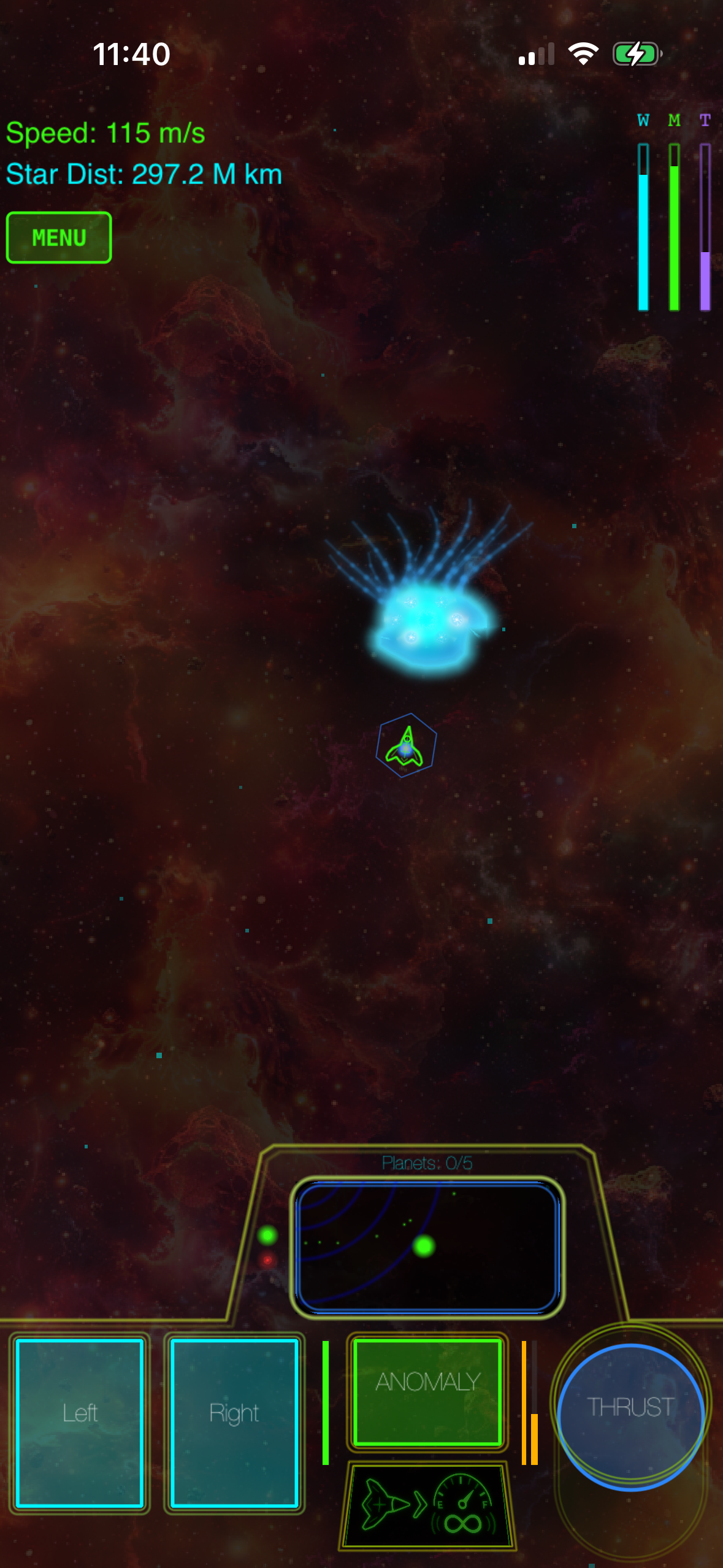
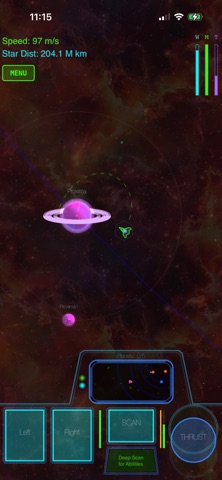
A space-arcade game built around real orbital mechanics. You pilot a ship using thrust and gravity to navigate asteroid fields and enemy encounters. The orbital physics reward patient positioning—you can’t just hold down the fire button and win. The visual design uses a vector-retro aesthetic that fits the mechanics perfectly. It’s the kind of game where you feel like you’re actually flying something, not just tapping a screen.
Space Grunts 2 – $4.99
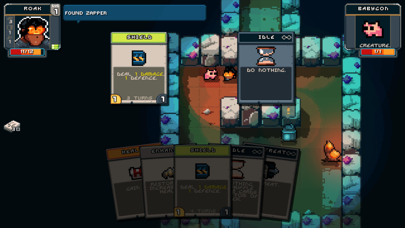
A turn-based tactical shooter set on alien planets. You move across grid-based levels, manage ammo, and plan each shot carefully. The pixel art is detailed and readable even on small screens. It’s a game about tactics, not reflexes, which makes it ideal for playing in short bursts. Deep enough that you’ll unlock new weapons and abilities across multiple runs, but not so complex that you need a wiki to understand the rules.
Retro Aesthetic: Synthwave and Vector Graphics
These games lean into visual style—CRT filters, neon colors, vector line-art—as a core part of the experience.
Hyper Dot – $1.99
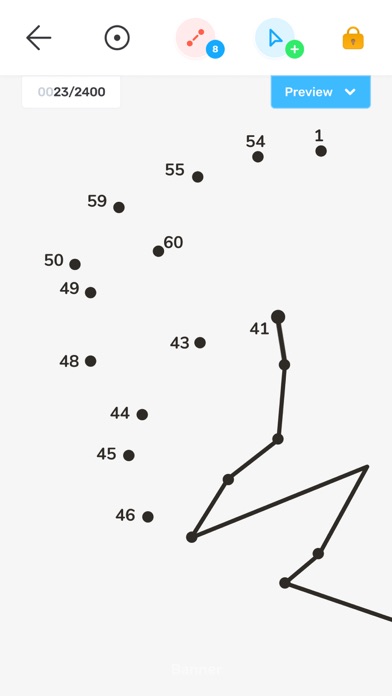
A minimalist arcade game where you tap to move a dot around a small arena, avoiding enemies and collecting power-ups. Sounds simple; it’s deceptively hard. The visual style is pure neon lines on black. No tutorials, no story, no filler—just a game that respects your intelligence and your time. Exactly the kind of indie craft that makes premium pricing feel right.
Voxel Shot – $5.99
A first-person shooter built from voxels (3D pixels) with a retro-PC aesthetic. You navigate small arenas, manage limited ammo, and solve combat puzzles. The voxel art style is distinctive and runs smoothly on iPhone. It’s not a twitch shooter—it’s methodical and spatial, rewarding you for understanding the geometry of each room.
Games Built for Replayability
These titles are designed to be played over and over, with enough variation that each run feels fresh.
Peglin – $4.99
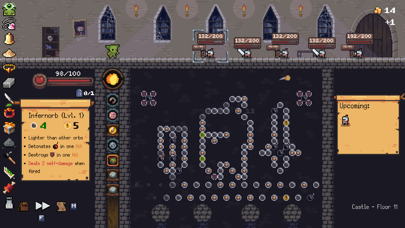
A roguelike pachinko game. You drop balls down a pegged board, bouncing them into enemy targets. Each run is different because the board layout and enemy placement vary. The art style is warm and inviting—pixel art with a cozy color palette. It’s a game about probability and planning, not reflexes. Hundreds of hours of depth for a budget-tier purchase.
Slay the Spire – $9.99
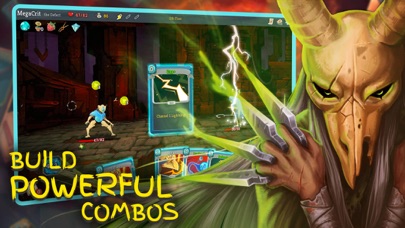
A deck-building roguelike where you climb a tower, collecting cards and building a spell deck as you go. Each run is unique because the card pools and enemy encounters randomize. The iOS port is excellent—the UI is touch-native, not a desktop port squeezed onto a phone. If you’ve never played it, this is the definitive way to own it on mobile.
Story-Driven Games: Narrative Without Aggressive Monetization
If you want games with actual plots and character development, these deliver without the free-to-play monetization trap.
Alto’s Adventure – $2.99
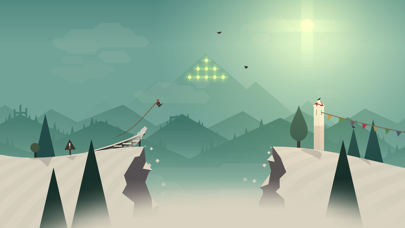
An endless-runner game that’s actually meditative instead of frantic. You ski down procedurally-generated slopes, collecting coins and landing tricks. The art is minimalist—simple silhouettes against gradient skies. There’s no score pressure; the game rewards you for playing well, but doesn’t punish you for failing. Perfect for playing while listening to a podcast. Contains no in-app purchases.
Monument Valley 2 – $6.99
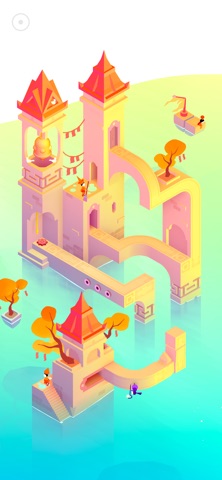
A puzzle game about perspective and spatial reasoning. You guide characters through impossible-geometry environments, rotating the world to find paths. The art is gorgeous—hand-crafted isometric levels with a pastel aesthetic. It’s short (2-3 hours), but every moment is intentional. The kind of game you buy to experience, not to grind. No in-app purchases; you own the full game at purchase.
How to Spot a Real Premium Game
Not every game labeled “premium” actually is one. Here’s how to tell:
- Check for ads. Open the game. If an ad plays before you start, it’s not premium—it’s free-to-play wearing a premium price tag.
- Look for energy meters. If you can only play 5 times before waiting for a timer, it’s not premium.
- Search the App Store listing for “in-app purchases.” If the listing mentions IAP, the developer is offering additional content for purchase. Some premium games include cosmetic-only IAP (skins, themes) that don’t affect gameplay. If IAP is cosmetic-only and clearly labeled as optional, the game can still be considered premium. However, if IAP unlocks gameplay features, power-ups, or progression, it’s not truly premium.
- Read recent reviews. If people complain about ads or paywalls appearing after an update, trust them. Developers sometimes switch models mid-lifecycle.
FAQ
Can I play these games on iPad? Yes. All titles listed here are universal apps or iPad-optimized. They’ll run on both iPhone and iPad. Check the App Store listing under “Requires iOS” to confirm iPad compatibility for any specific game.
Do these games get updates? Most do. Indie developers often release balance patches, new levels, or quality-of-life improvements months or years after launch. Updates are free—you don’t pay again. Some games (like Slay the Spire) receive regular content updates; others (like Monument Valley 2) are complete as-is. Check the “Version History” section in the App Store to see how recently a game was updated.
What if I don’t like a game after I buy it? Apple’s App Store allows refunds within 14 days of purchase if you ask. Go to your App Store account, find the purchase, and request a refund. Be honest about why—if you say “game doesn’t work,” Apple will refund it; if you say “I changed my mind,” they might not. Most of the games here are well-reviewed enough that refunds are rare, but the option exists.
Do any of these games have multiplayer? Not in the traditional sense. Most are single-player focused. Some (like Geometry Wars) have online leaderboards, which add a competitive element without requiring real-time multiplayer. If you’re looking for local co-op or turn-based multiplayer, these aren’t the right fit.
Why are some games more expensive than others? Scope, mostly. A game like Monument Valley 2 has hand-crafted levels and a narrative, so it costs more. Arcade games like Hyper Dot are simpler mechanically but endlessly replayable, so they cost less. Developers price based on the work they’ve done and the value they think players will get. Premium pricing is usually justified when you compare it to the hours you’ll play.
The Bottom Line
The indie game scene on iPhone in 2026 is healthier than it’s been in years. Developers are making quality games that respect your time and money, and they’re pricing them fairly. You don’t need to spend much—budget-tier games are accessible—but when you do spend, you’re buying a complete experience with no gotchas.
Start with one or two that match your taste. If you like arcade games, grab Asteroids: Recharged or Galaximus. If you like roguelikes, Peglin is unbeatable. If you want something meditative, Alto’s Adventure. The genre matters less than the philosophy: these games were made because the developer wanted to make them, not because a publisher wanted to maximize engagement metrics.
That’s what makes them worth paying for.