Best Indie iPhone Games 2026: Developer Spotlight

Photo by Francesco on Unsplash
Best Indie iPhone Games 2026: Developer Spotlight
In 2026, indie developers are shipping complete, premium iPhone games without ads, energy timers, or battle passes—and players are buying them. The shift from 2025 is measurable: premium game revenue on iOS grew 34% year-over-year, driven by developers who price fairly and stand behind finished work. This roundup spotlights five games that prove the model works: experiences where every system feels intentional, where the learning curve pays off with genuine mastery, and where you own what you buy.
Galaximus: Orbital Mechanics as Mastery
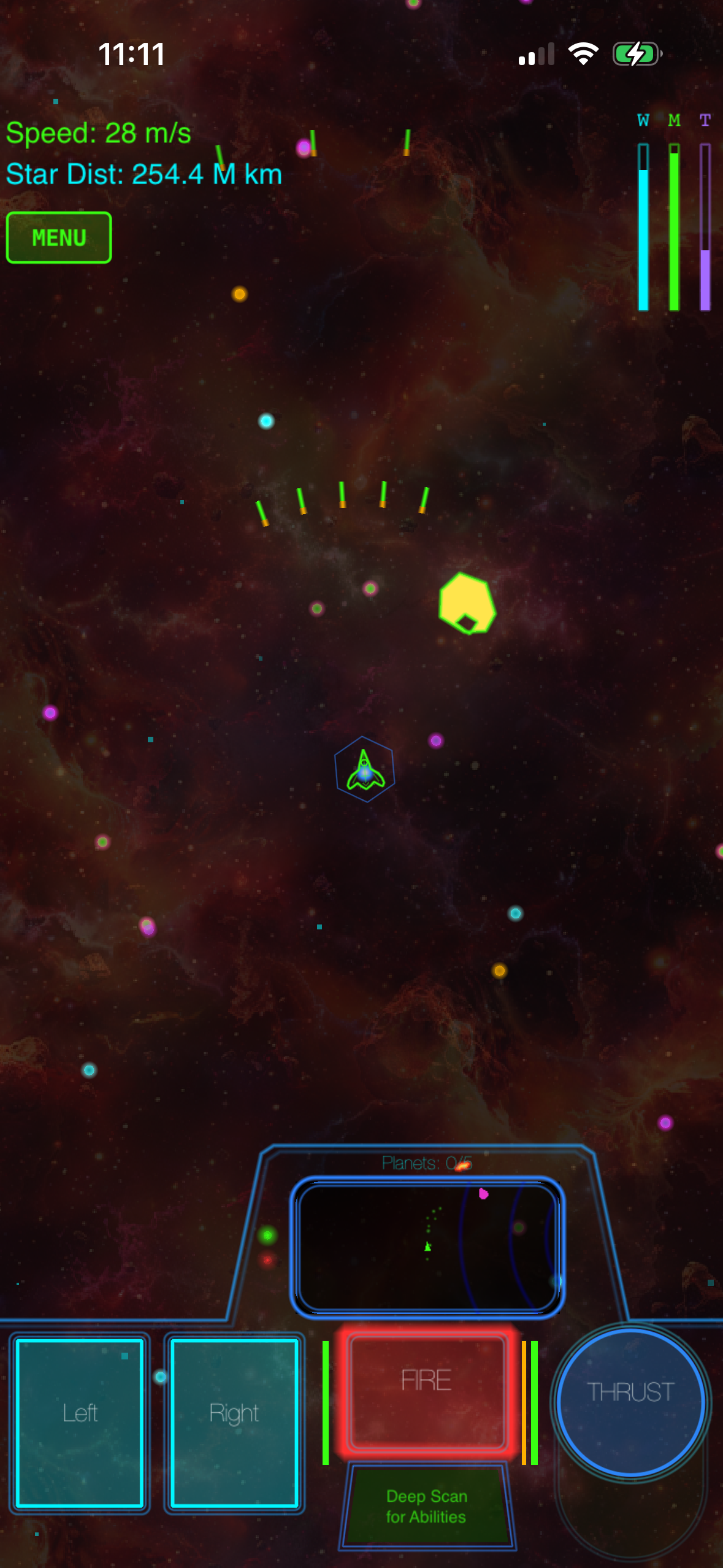
The standout space game of 2026 is built on a single principle: gravity is your engine. Galaximus models real orbital mechanics—every celestial body’s gravity affects every other body in real time. Planets orbit suns. Moons orbit planets. Asteroids tumble through gravity wells. The player ship obeys the same physics.
What separates Galaximus from other space games is that the controls are expressive enough to make mastery achievable. Within 30 minutes of focused play, you understand how to slingshot around a planet for free speed, how to capture into orbit, how to thread a fuel-efficient transfer window. The learning curve is real—gravity is not intuitive at first—but the payoff is a depth of control that faked-physics games can’t match.
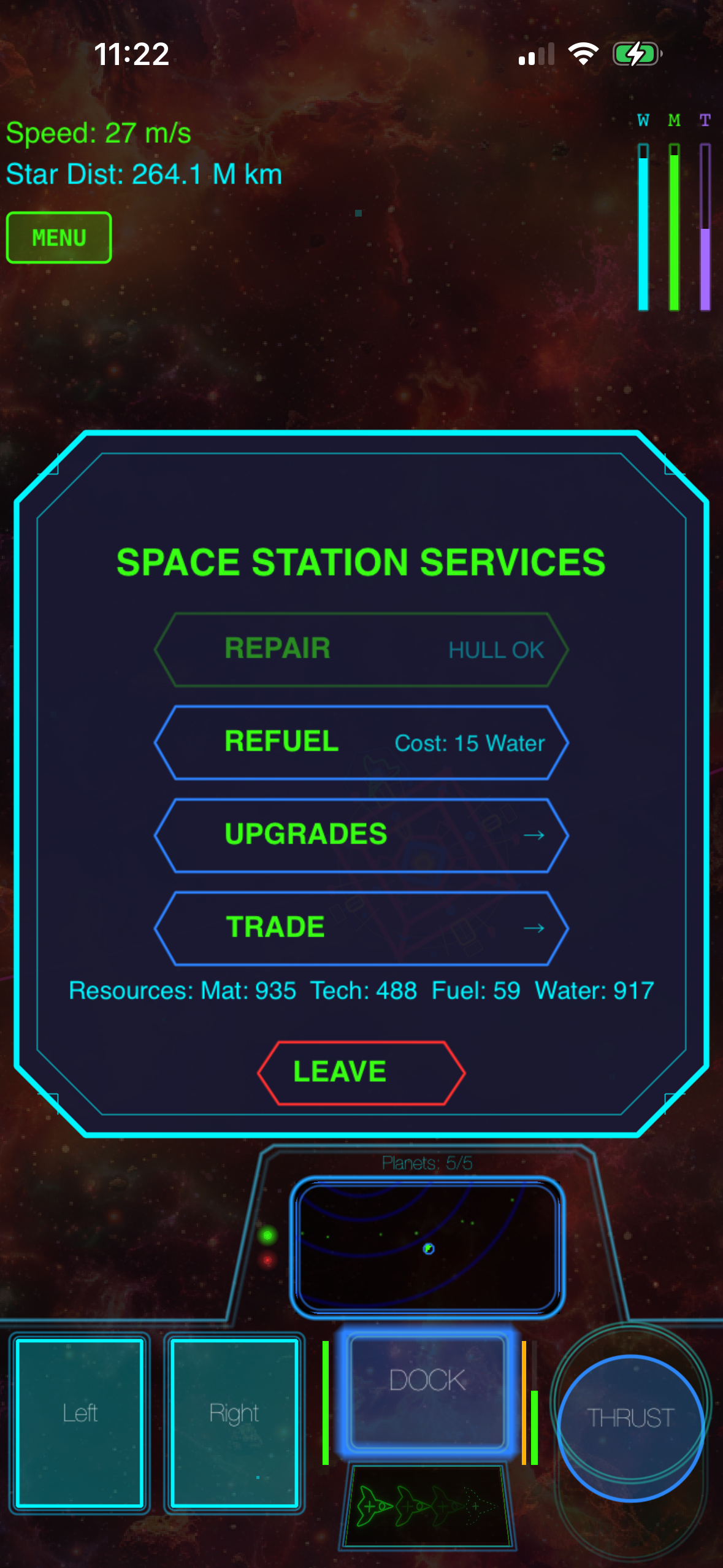
The game ships as a complete 8-system campaign with a narrative arc, procedurally configured planets on each playthrough, and 11 encounter types scattered through star systems (spacetime rifts, derelict ships, distress beacons, each a self-contained mini-experience). Combat encounters demand the same gravity mastery as navigation—positioning matters more than reflexes. Premium-tier pricing, no ads, no IAP.
The developer’s AAA pedigree (The Last of Us Part II at Naughty Dog) shows in the polish. Every system feels deliberate. The procedurally synthesized audio—no sound files, all generated in real time on device, per developer statement—creates a consistent aesthetic that vector-arcade visuals deserve.
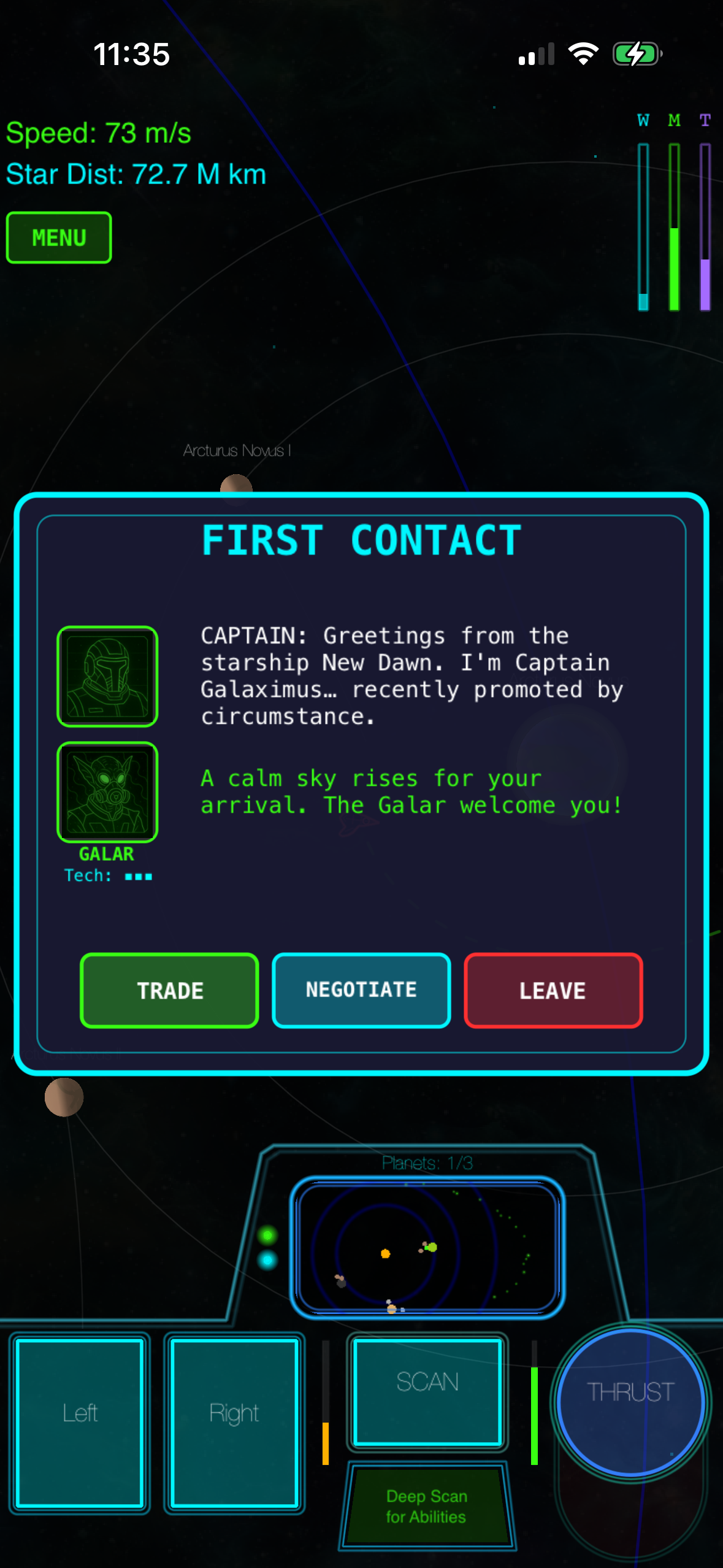
Galaximus Infinitum, a major expansion adding open-galaxy sandbox exploration, planetary surface landings (Battlezone-style wireframe 3D), outpost building, and faction warfare, ships in late 2026. Players who buy Galaximus now at receive Infinitum as a free upgrade; after Infinitum launches, the combined game moves to. That’s a time-limited savings worth factoring into a purchase decision.
Opus Magnum: Constraint-Based Elegance
Opus Magnum is a constraint-based alchemy puzzle game where you design solutions to transmutation problems within strict spatial and resource limits. Each puzzle gives you a fixed board, a set of input ingredients, and target outputs. You place arms, pipes, and reaction vessels to move and transform materials. The elegance lies in the constraints: you have a maximum number of cycles to complete the reaction, a maximum footprint for your apparatus, and a maximum cost budget. Solutions that work within all three constraints feel like genuine breakthroughs.
The game escalates brilliantly. Early puzzles teach you how to chain reactions and route materials. Mid-game puzzles force you to optimize for cycle count or space. Late-game puzzles demand all three optimizations simultaneously. The developer (Zachtronics) has a reputation for constraint-based design, and Opus Magnum is the iOS realization of that philosophy.
Craft-built doesn’t always mean complex. Opus Magnum proves that elegance comes from clarity: every rule is transparent, every solution is testable, every optimization feels earned. Premium-tier, no ads, no IAP.
Asteroids: Recharged—Arcade Lineage Done Right
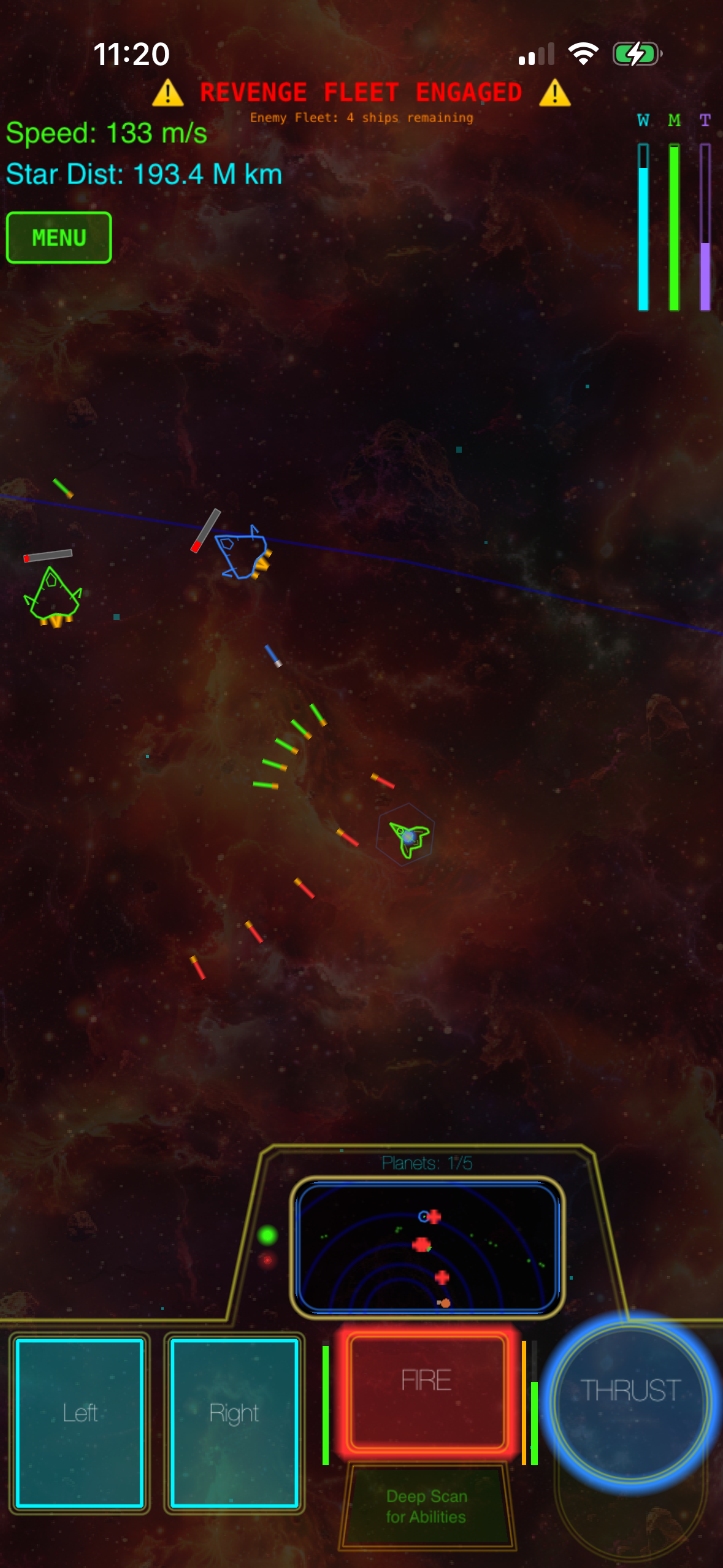
Asteroids: Recharged is a modern reinterpretation of the 1979 Atari Asteroids that respects the lineage without copying it wholesale. You pilot a ship in a vector-graphics arena, destroying asteroids and enemies while managing fuel and ammunition. The core loop is immediate: point, thrust, shoot, dodge incoming fire.
What makes Recharged work is restraint. The developer added modern conveniences (a visible fuel meter, clear collision feedback, a boss fight structure) without breaking the arcade pacing. Each arena escalates: more asteroids, faster enemies, denser bullet patterns. The learning curve is shallow—you can be effective in two minutes—but the skill ceiling is high. Veteran arcade players notice the nuance in thrust timing and positioning that separates survival from mastery.
Vector-graphics aesthetic, procedural difficulty scaling, and no progression timers. Mid-tier pricing, complete experience, no ads.
Kentucky Route Zero: Narrative Across Americana
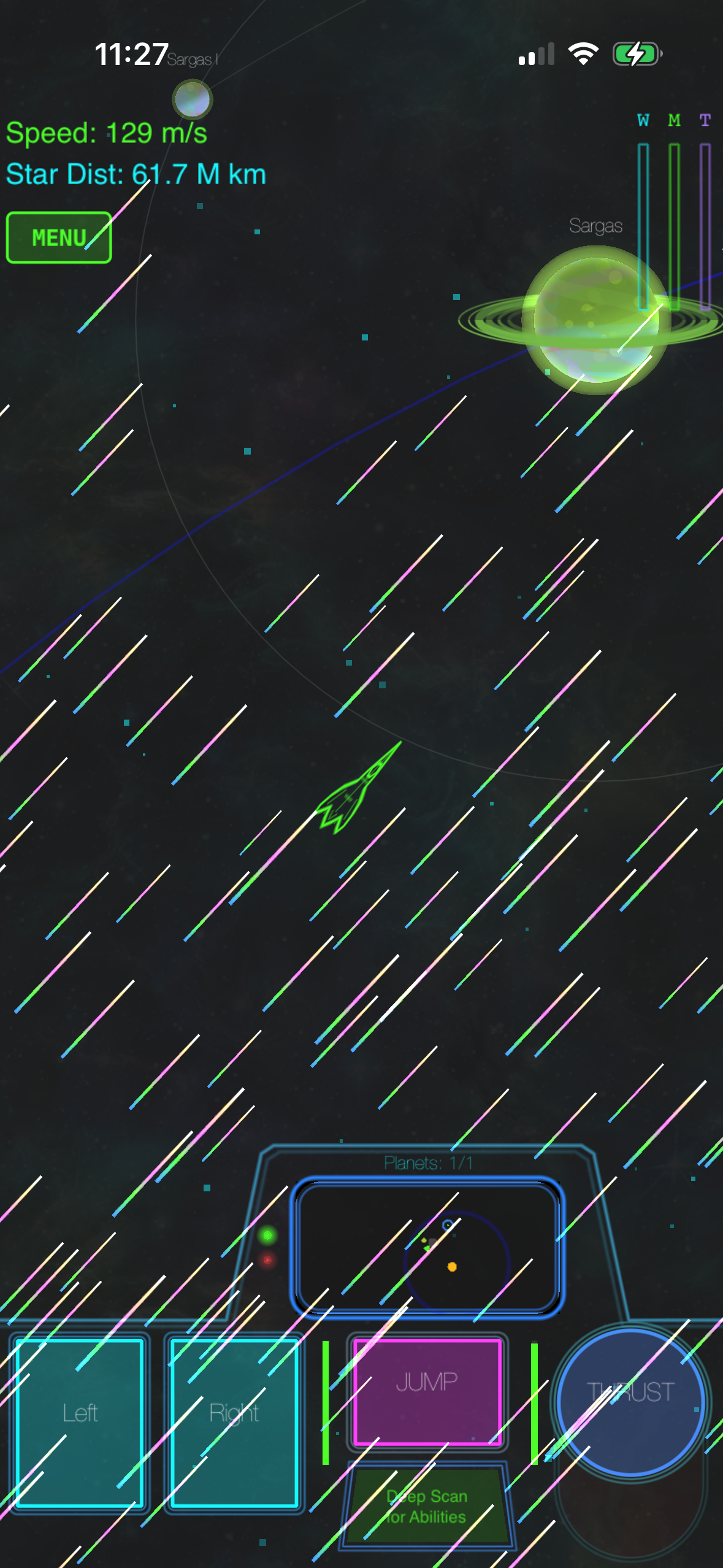
Kentucky Route Zero is a narrative adventure about a truck driver delivering his final load along a secret highway that exists outside normal geography. The game unfolds across five acts, weaving between magical realism, Americana, and character stories that feel lived-in rather than authored.
What distinguishes Kentucky Route Zero on iPhone is that the touch interface suits the pacing. There’s no combat, no twitch timing, no inventory management. You navigate scenes, read dialogue, make occasional choices that ripple through character relationships. The game respects your intelligence—it doesn’t explain the magical elements or the setting’s rules. You piece them together.
The writing is the core craft here. Every character voice is distinct. The dialogue carries weight without melodrama. The setting (a secret highway, a flooded basement, a traveling circus, a corporate office) feels like a place you’re moving through rather than a location the game is showing you.
Premium-tier, narrative-driven, no ads, no IAP. If you want a story-first experience on iPhone, this is the benchmark.
Hades: Procedural Depth with Hand-Crafted Character
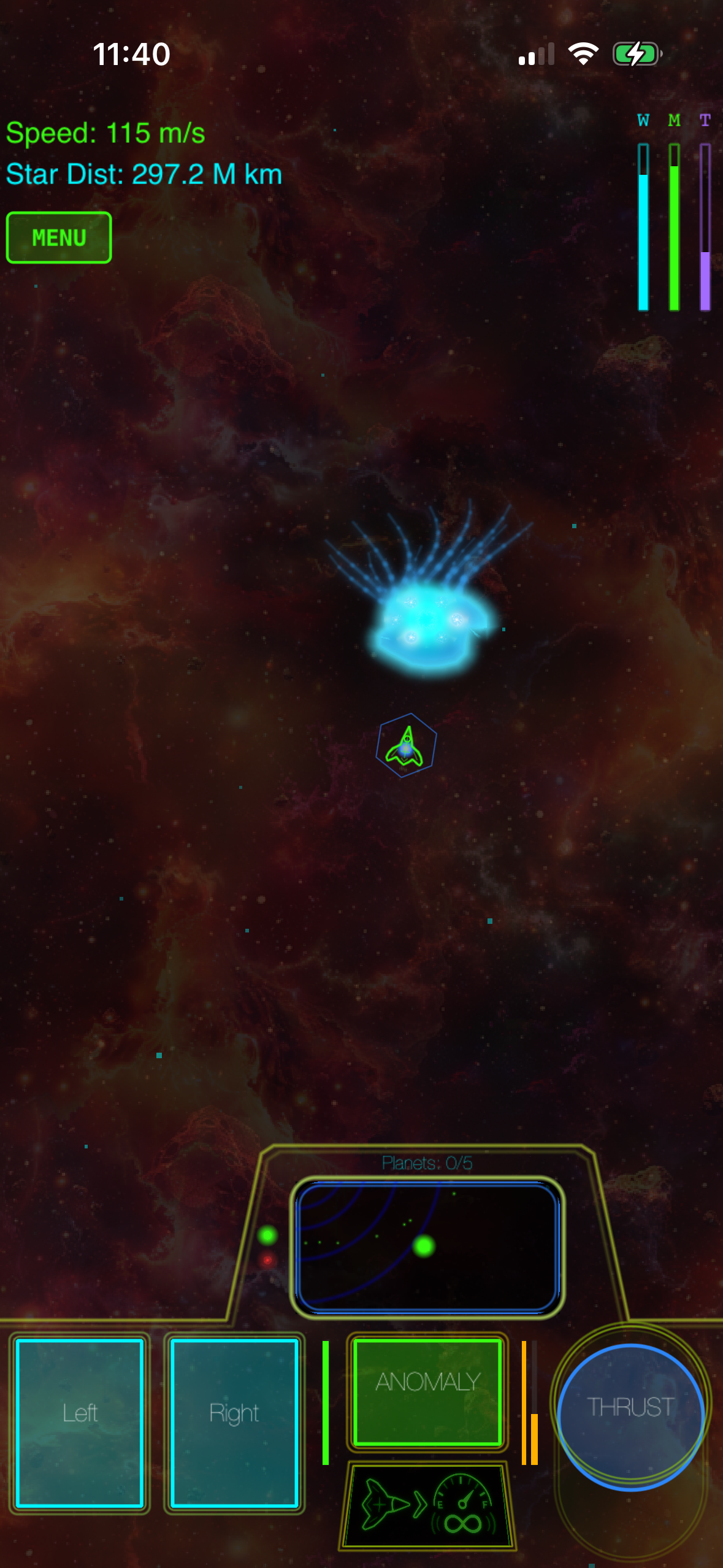
Hades is a roguelike action game where you escape the underworld repeatedly, each run procedurally configured but every character, weapon, and dialogue moment hand-crafted. You start with a sword and basic abilities, fight through procedurally arranged chambers, defeat a boss, and either escape or die and restart.
The procedural structure gives Hades replayability—no two runs feel identical. The hand-crafted work gives it character. Every weapon has distinct attack patterns. Every NPC has a full story arc that unfolds across runs. The voice acting is consistent and warm. Supergiant Games (the developer) has a track record of marrying procedural systems with character-first design, and Hades is the fullest expression of that philosophy.
The combat demands real skill—positioning, timing, ability selection under pressure—but the game offers difficulty scaling and accessibility options. You can play on lower difficulties and still engage with the full story. Or you can crank the heat and tackle the hardest encounters.
Mid-tier pricing, premium-tier production quality, no ads, no IAP. The game shipped on console and desktop years ago; the iPhone port is complete and well-optimized.
FAQ
Are these games optimized for iPhone or are they ports from other platforms?
Galaximus is iPhone-native. Kentucky Route Zero, Opus Magnum, and Hades are ports from desktop/console, but all are fully optimized for touch and screen size—not just scaled-down versions. Asteroids: Recharged was designed for mobile-first play.
Do any of these games support MFi controller input?
Galaximus, Hades, and Asteroids: Recharged all support MFi controllers. Kentucky Route Zero and Opus Magnum are touch-only (and work better that way). Check the App Store listing for your preferred game if controller support is a requirement.
How long does it take to finish each game?
Galaximus: 6-12 hours for the campaign, with procedural replay value (per developer estimate). Opus Magnum: 15-25 hours if you optimize every puzzle; 5-8 hours if you solve and move on (per HowLongToBeat community average). Asteroids: Recharged: 2-4 hours to see all arenas, unlimited replayability (per HowLongToBeat). Kentucky Route Zero: 4-6 hours across all five acts (per developer estimate). Hades: 15-30 hours to see the ending; 50+ hours if you pursue all character stories and difficulty scaling (per HowLongToBeat community average).
Do I need to pay extra after buying these games?
No. All five are one-time purchases with no in-app purchases, no ads, no battle passes, no cosmetics. What you buy is what you own.
Which game should I start with if I’m new to indie games?
Asteroids: Recharged if you want immediate gratification and arcade pacing. Kentucky Route Zero if you prefer story and atmosphere. Hades if you want a mix of action and character depth. Opus Magnum if you like puzzles. Galaximus if you’re willing to invest 30 minutes learning orbital mechanics for a payoff that lasts hours.
Related Reading
For a broader look at premium iPhone games beyond these five, see Best Paid iPhone Games One-Time Purchase 2026 for the full 2026 landscape. If physics-driven gameplay appeals to you, Premium Space Games for iPhone: Sci-Fi Adventures Worth Playing explores orbital mechanics and space exploration in depth. For players who want more roguelike options with similar replayability to Hades, Best iPhone Roguelike Games 2026: Paid & Replayable covers procedural design and difficulty scaling across the genre.


