Best iPhone Roguelike Games 2026: Paid & Replayable

Photo by Onur Binay on Unsplash
Best iPhone Roguelike Games 2026: Paid & Replayable
Roguelikes on iPhone have matured into a distinct category. What started as mobile interpretations of desktop roguelike conventions—permadeath, procedural generation, short runs—has evolved into games built specifically for the platform. In 2026, the best paid roguelikes on iPhone aren’t ports or compromises; they’re games designed around touch input and interrupted play sessions. Hades uses hold-to-aim mechanics that replace keyboard modifiers. Slay the Spire’s turn-based structure eliminates real-time pressure entirely. Vampire Survivors requires only one-handed movement, letting the game handle aiming and firing automatically. These aren’t vague adaptations—they’re concrete mechanical choices that make roguelikes work on handheld devices.
This guide covers premium roguelikes—pay-once, no ads, no IAP—that respect both the roguelike tradition and the constraints of handheld play. Each game here has been chosen for specific strengths: some excel at tactical depth, others at visual craft or mechanical innovation. If you’re tired of energy timers and battle pass seasons, these are the games worth your time and money.
What Makes a Roguelike Work on iPhone
Before diving into picks, it’s worth understanding what separates a roguelike that feels right on iPhone from one that feels ported. The best games in this category share a few traits:
- Touch-native controls. The best roguelikes use taps, swipes, or hold-to-aim mechanics that feel direct and responsive. Vampire Survivors’ one-handed movement and Peglin’s aim-and-fire pachinko mechanics exemplify this.
- Meaningful procedural generation. Not every run feels identical. Enemy placement, item pools, or map layouts shift in ways that force tactical adaptation, not just stat inflation.
- No progression tax. You shouldn’t need to unlock “real” difficulty or grind for 10 hours before the game gets interesting. The first run should feel like the 50th—challenging, fair, and complete.
- Runs fit mobile play patterns. Most runs complete in 15–45 minutes, allowing play in bursts without losing momentum or forgetting game state.
Tactical Roguelikes: Turn-Based Depth
Hades (Supergiant Games) — $24.99
Hades is the reference point for modern roguelikes, and its iPhone port (released in 2024, refined through 2026) holds up as a masterclass in mechanical depth wrapped in visual generosity. Each weapon handles differently—the sword rewards aggressive positioning, the bow punishes hesitation, the spear demands spacing. Procedural runs generate new enemy combinations and trap layouts that force you to adapt tactics mid-run rather than lean on a single overpowered build.
What makes Hades work on iPhone: the game supports both portrait and landscape orientations. In portrait mode (the default), the UI is legible and the touch controls—tap to move, hold to aim special attacks—feel responsive without demanding precision twitch reflexes. You can play in landscape for wider visibility if preferred. A full run takes 20–30 minutes.
The narrative wraps around roguelike progression in a way that makes repeated deaths feel thematic rather than punishing. You’re not grinding toward an ending; you’re uncovering story beats through replays.
Slay the Spire (Mega Crit) — $9.99
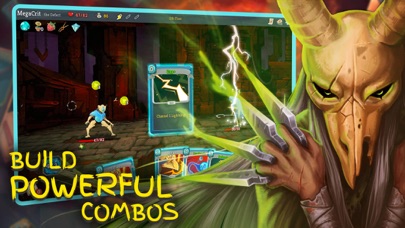
Slay the Spire is a deckbuilding roguelike where each run constructs a unique card deck from procedurally offered upgrades. No two runs feel identical because the card pool you’re offered changes, enemy encounters force different priorities, and deck synergies emerge unpredictably.
On iPhone, the turn-based nature sidesteps any real-time pressure. You can play a full 45-minute run in bursts—five turns here, a few encounters there—without losing momentum or forgetting game state. The touch interface for card selection is clean and unambiguous. Ascension mode (the highest difficulty tier) is unlocked by completing the base game, not available from the start; this is the intended progression path in the 2026 iPhone version.
Slay the Spire’s weakness is that it’s turn-based and cerebral—if you want moment-to-moment action, this isn’t it. But if you value decision-making over reflexes, it’s the deepest roguelike on the platform.
Action Roguelikes: Real-Time Pressure
Vampire Survivors (Poncle) — $4.99
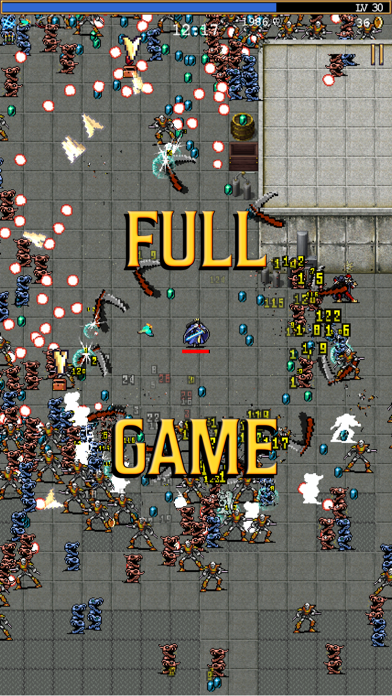
Vampire Survivors is a “reverse bullet-hell” where you’re the thing that survives, not the thing that dodges. You move, enemies swarm, and your equipped weapons fire automatically. The roguelike hook is that each run you pick from a rotating roster of weapons and passive upgrades, creating wildly different power fantasies—one run you’re a walking flame thrower, the next you’re summoning projectiles that ricochet off walls.
On iPhone, Vampire Survivors’ simplicity is its strength. You only need to move; the game handles aiming and firing. This makes it genuinely playable one-handed and forgiving enough for casual play while still offering tactical depth for players who optimize weapon synergies and positioning.
Runs are short (20–30 minutes max) and the procedural generation comes from the upgrade offers you receive, not from randomized maps. This keeps the game focused and predictable in the right ways.
Peglin (Peglin) — $7.99
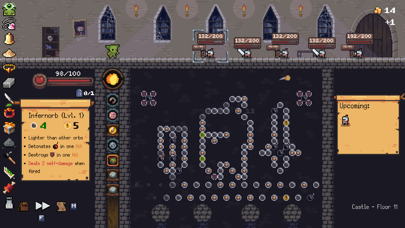
Peglin is a pachinko roguelike where you shoot pegs at enemies and obstacles, ricocheting your projectile around the board to maximize damage. It’s turn-based—you aim, fire, then watch the physics play out—which makes it perfect for mobile. No twitch reflexes, no real-time dodging, just tactical aiming and upgrade synergies.
The roguelike progression is meaty. Each run you pick from a sprawling upgrade tree, building synergies between passive bonuses and active abilities. For example, a “crit chance” upgrade combined with a “crit damage multiplier” upgrade creates a build where each shot deals exponentially more damage. Without those specific synergies, you’ll struggle against late-run bosses. This variance—where specific upgrade combinations dramatically change your power level—is what keeps replays from feeling stale.
Peglin’s charm is its specificity. It’s not a roguelike that happens to use pachinko; it’s a game where pachinko is the core mechanic, and everything else (upgrades, enemy design, map layouts) flows from that constraint.
Minimalist Roguelikes: Elegant Constraints
Luck be a Landlord (Tamarack Games) — $4.99
Luck be a Landlord is a deck-building roguelike with a single core mechanic: you roll dice, and each die face represents a resource (gold, attack, defense, reroll tokens). You build a deck of dice and modify them across runs, creating synergies and combos. Complexity emerges from simplicity.
The iPhone version is stripped down to essentials—no bloat, no filler animations, just clean UI and fast turns. A run takes 30–45 minutes and feels self-contained. The procedural generation comes from which dice you’re offered and which enemies you face, creating genuine variety without overwhelming choice paralysis.
Luck be a Landlord proves that roguelikes don’t need dense mechanics or sprawling upgrade trees to be engaging. Constraint breeds creativity, and this game respects that principle.
Downwell (Moppin) — $2.99
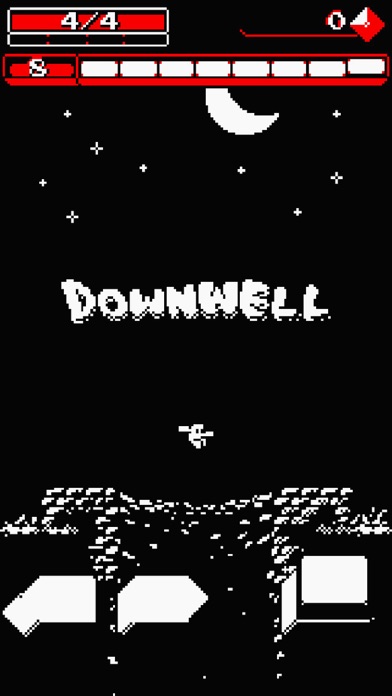
Downwell is a minimalist action roguelike where you fall down a well, shooting enemies to slow your descent and break through platforms. Each run randomizes enemy types, platform layouts, and upgrade offerings. The core loop is tight: fall, aim, shoot, manage your limited ammo, pick upgrades, repeat.
Runs are short—10–15 minutes—which makes Downwell perfect for play sessions that fit into real life. The pixel art is gorgeous in a restrained way, and the controls (tap to aim, hold to fire) feel responsive without demanding precision.
Downwell’s minimalism is intentional. It doesn’t try to be a 40-hour game; it’s a game you complete, replay, and return to. That’s a strength, not a limitation.
Narrative Roguelikes: Story Through Repetition
Inscryption (Daniel Mullins) — $19.99
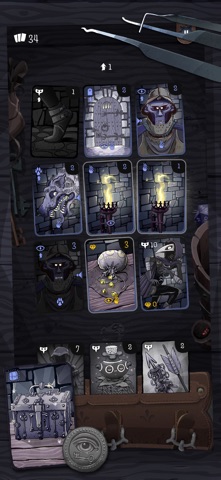
Inscryption is a deck-building roguelike wrapped in a horror narrative where the story progresses through repeated playthroughs. Early runs feel constrained and claustrophobic; later runs reveal new areas, new cards, and new story beats. The game is designed so that failure teaches you something—about mechanics, about the narrative, about how to approach the next attempt.
The iPhone version preserves the unsettling atmosphere while adapting the card-based combat to touch controls. The game is slower-paced and more deliberate than action roguelikes, which suits the horror tone.
Inscryption is a game where replayability isn’t just mechanical (different builds, different runs); it’s narrative. You want to fail and retry because each attempt unlocks new story elements. This makes it a rare roguelike where permadeath feels thematic rather than frustrating.
FAQ
Which game has the steepest learning curve? Slay the Spire. The deckbuilding system has hidden synergies and card interactions that aren’t obvious on first play. You’ll lose your first 10–15 runs while learning which cards work together. Peglin is a close second due to its deep upgrade tree.
Do any of these support cross-device saves? Hades, Slay the Spire, and Inscryption all support iCloud saves, allowing you to resume on iPad or another iPhone. Vampire Survivors, Peglin, Luck be a Landlord, and Downwell do not currently offer cross-device save syncing.
Can I play these one-handed? Vampire Survivors and Downwell are genuinely one-handed. Slay the Spire and Peglin work one-handed if you’re patient with card selection. Hades and Inscryption benefit from two-handed play but don’t strictly require it.
How long does a typical run take? Downwell: 10–15 minutes. Vampire Survivors and Hades: 20–30 minutes. Slay the Spire, Peglin, and Inscryption: 30–45 minutes. Luck be a Landlord: 30–45 minutes.
Are these games hard? Yes, all of them are designed to be challenging. You will lose runs. But they’re fair—you lose because you made a mistake or got unlucky, not because the game is broken or the difficulty is artificial. Most of them offer difficulty settings or optional hard modes if you want to tune the challenge.
Can I pause mid-run? Yes. All of these games let you suspend a run and resume later. This is essential for mobile gaming, and every game here respects that.
The Roguelike Renaissance on iPhone
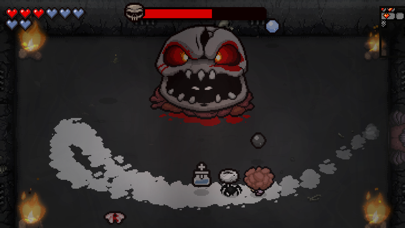
The games listed here represent what premium roguelikes on iPhone look like in 2026: mechanically sophisticated, visually crafted, and genuinely designed for the platform rather than ported from elsewhere. They respect your time, don’t demand constant progression mechanics to stay engaging, and offer the kind of replayability that justifies returning to them months after purchase.
All of these games are available as one-time purchases with no ads or in-app purchases. The price range is to, with most clustering. If you’re looking for more premium indie games beyond roguelikes, explore our broader guide to paid iPhone games with high replayability.
The premium roguelike category has matured enough that you can trust the recommendations here. These aren’t experimental indie projects or half-finished ports. They’re complete games made by developers who understand both roguelikes and iPhone. Buy one and you’ll understand why.


