iPhone Games with Story and No IAP: 2026 Narrative Guide

Photo by Onur Binay on Unsplash
Story-Driven iPhone Games Without IAP: Where Narrative Meets Premium Design
Most narrative-driven mobile games trap their best moments behind energy timers and battle passes. The ones worth your attention don’t. This guide covers premium iPhone games where the story is complete, the world is finished, and you own the full experience the moment you tap Install—no paywalls, no timers, no “come back tomorrow” friction.
Why Story-Driven Games Matter on Mobile
Narrative games on iPhone occupy an odd space. The screen is small, the session is often brief, but the emotional weight can be substantial. In What Remains of Edith Finch, discovering your grandfather’s story through a bathtub full of toys hits harder than many 40-hour narratives. In Oxenfree, a single dialogue choice—whether you tell a friend you care about them—can reshape your entire ending.
The best story-driven games respect the mobile constraint. They don’t demand a 40-hour time commitment or interrupt you with ads every five minutes. They’re designed for people who read, who think about dialogue choices after closing the app, who want their phone to deliver something meaningful.
The absence of IAP in a narrative game is non-negotiable. When a story is paywalled—when you hit a paywall mid-emotional-climax, or when progression requires spending—the game stops being about narrative and becomes about monetization psychology. The games on this list are different. They’re complete. You buy them once, and the story is yours.
Why Premium Story Games Beat Free-to-Play Alternatives
Free-to-play games like Genshin Impact and Honkai Star Rail offer narrative, but they’re built around engagement loops designed to keep you playing daily. Story updates arrive on a schedule. Progression requires grinding or spending. Your experience is interrupted by battle passes, gacha mechanics, and seasonal events.
Premium story games solve this differently. When a developer charges upfront, their incentive flips: they succeed by making something you’ll love, not something that keeps you clicking. The story gets to be the story. The ending gets to be the ending. There’s no incentive to stretch a 5-hour narrative into 50 hours of grinding. You get the complete experience immediately.
Narrative Design on a Small Screen
Story games on iPhone need to solve a specific design problem: how do you create emotional depth and meaningful choice within the constraints of a 6-inch screen and a 20-minute commute?
The best approach is restraint. Visual novels like Coffee Talk and Oxenfree use dialogue as the primary mechanic. You’re not clicking through 200-page exposition dumps; you’re having conversations. Each choice is small enough to hold in your head, but consequential enough to matter.
Another pattern is wordless storytelling. Games like 
A third approach is chapter-based structure. 
Visual Novels and Dialogue-Driven Games
If you’ve never played a visual novel on mobile, the format is simpler than it sounds: you read dialogue, you make choices, and those choices reshape the story. The best ones on iOS treat the small screen as an advantage, not a limitation.
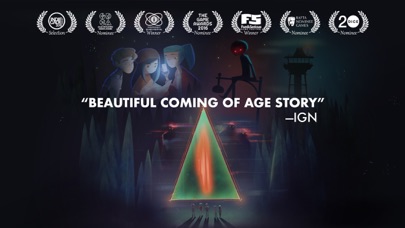
Oxenfree (, rated 4.7★ per App Store reviews) is the gold standard. It’s a supernatural adventure about a group of teens who accidentally open a ghostly radio frequency on an abandoned island. The story unfolds entirely through dialogue—there’s no combat, no inventory, no busywork. Every conversation branches. A throwaway joke in Act One can completely change the tone of Act Three. The game has no fail state, meaning there are no game-over screens or wrong choices that lock you out of content; you can explore every dialogue option across multiple playthroughs. It’s completable in 4-5 hours, and you’ll immediately want to replay it to chase a different ending.
 (affiliate link)
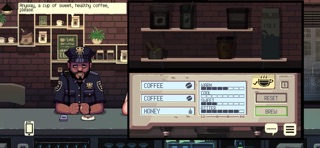
Coffee Talk (, rated 4.6★ per App Store reviews) is the opposite of high-stakes. You’re a barista in an alternate-timeline Seattle, making espresso drinks for supernatural customers—elves, orcs, humans—who come in with their own problems. You listen. You make their drink. Sometimes you say something that helps. The game has no fail state, meaning no game-over screens and no wrong choices that block progression; every dialogue option leads forward. It’s pure narrative comfort food, and it’s perfect for playing in 20-minute chunks. The writing is warm and specific; the characters feel like people you’d actually want to talk to.
 (affiliate link)
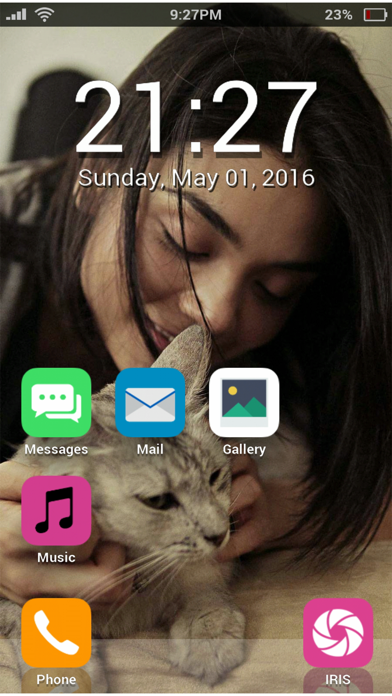
A Normal Lost Phone (, rated 4.5★ per App Store reviews) is a mystery told entirely through a found smartphone. You’re not reading a story; you’re snooping through text messages, photos, and apps, piecing together what happened to the person who owned the phone. It’s voyeuristic and unsettling in a way that respects the medium. The game is short—90 minutes or so—but it sticks with you.
 (affiliate link)
Narrative Adventure Games with Exploration
Some of the best stories on iPhone aren’t visual novels—they’re games where you move through a world, talk to people, and the story emerges from what you find and who you meet.
 (affiliate link)
What Remains of Edith Finch (, rated 4.7★ per App Store reviews) is a walking simulator about exploring your family’s house and discovering the stories of your relatives through environmental storytelling. It’s short—90 minutes—but it’s one of the most emotionally precise games ever made. Each room tells a story. A bathtub full of toys reveals your grandfather’s imagination. A kitchen sink reveals your mother’s sacrifice. You’re not reading exposition; you’re discovering meaning in objects and spaces.
 (affiliate link)
(affiliate link)
Wordless and Minimalist Narratives
Not every story needs dialogue. Some of the most affecting games on iPhone tell their narratives through mechanics, art, and sound.
 (affiliate link)
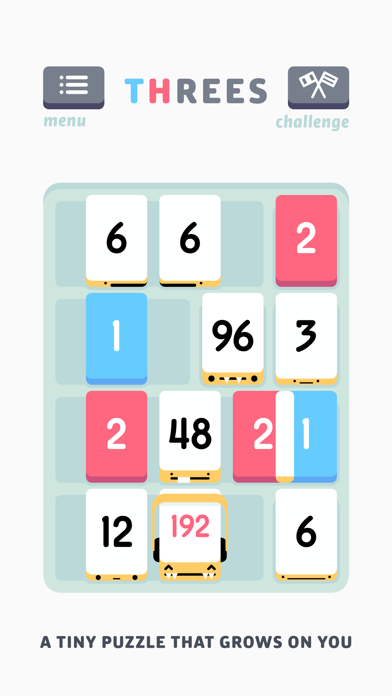
Threes! (, rated 4.7★ per App Store reviews) is a puzzle game where you slide numbered tiles to combine them. It sounds dry, but the game has a story. The tiles have personalities. They talk to each other. As you progress, the dialogue shifts. It’s a love story disguised as a number puzzle, and it’s one of the cleverest games ever designed.
 (affiliate link)

 (affiliate link)
Narrative Games with Replayability
Some story games are designed to be played multiple times, with different choices reshaping the experience each time. These games understand that a good story isn’t about reaching an ending—it’s about exploring the space of what could happen.
 (affiliate link)
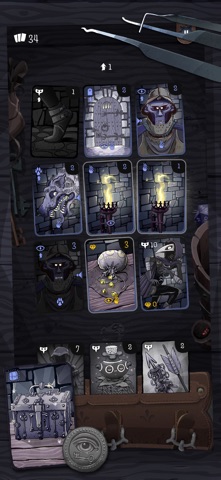
Inscryption (, rated 4.7★ per App Store reviews) is a deck-building game with a narrative twist. You’re playing cards against an opponent in a creepy cabin, and the game is slowly revealing that there’s something very wrong going on. The story unfolds as you play, and it recontextualizes everything you’ve done. It’s weird and unsettling and brilliant. It also has massive replayability because the game changes based on your choices.
 (affiliate link)
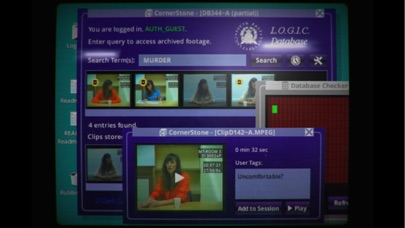
Her Story (, rated 4.5★ per App Store reviews) is an FMV (full-motion video) mystery where you search a database of police interview clips to solve a crime. You type keywords into a search bar, watch video clips, and piece together what happened. The game has no linear story; you’re constructing the narrative from fragments. Different players will piece together different interpretations. It’s clever and it’s haunting and it respects your intelligence.
 (affiliate link)
The Craft Behind Story Games
The best narrative games on iPhone share something in common: they understand constraints. A story game on mobile can’t demand 60 hours of your life. It can’t interrupt you with ads. It can’t force you to spend money to see the ending. Instead, it has to be efficient. Every scene has to matter. Every choice has to feel consequential. Every word has to earn its place.
This is actually a strength. Constraints breed creativity. A visual novel developer working within the limitation of a small screen and a 5-hour runtime has to make every line count. A wordless game developer has to communicate meaning through mechanics and art. These constraints produce games that are tighter, more focused, and ultimately more emotionally resonant than games designed for larger screens and longer sessions.
The other thing these games share is respect for the player. They don’t assume you’re stupid. They don’t hold your hand. They don’t explain every metaphor or spell out every theme.
Narrative Games Across Genres
Story doesn’t have to mean visual novel or walking simulator. Some of the best-told stories on iPhone come wrapped in other genres entirely.
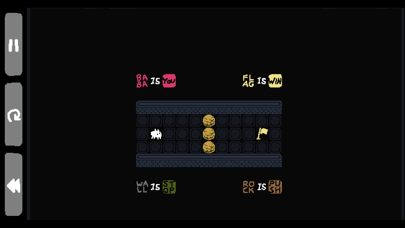
Baba Is You (, rated 4.6★ per App Store reviews) is a puzzle game where you rearrange the rules of the puzzle itself. It’s mechanically brilliant, but it’s also a narrative about language and meaning and the power of words. As you progress, the puzzles become increasingly abstract, and the game starts asking questions about what it means to solve a puzzle at all.
 (affiliate link)
A Short Hike (, rated 4.7★ per App Store reviews) is a cozy exploration game where you climb a mountain. That’s the whole story. But the people you meet on the way, the conversations you have, the small moments of connection—that’s where the narrative lives. It’s about finding your way and helping others find theirs.
 (affiliate link)
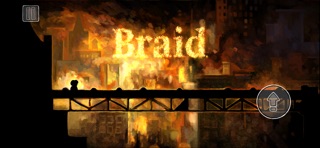
Braid (, rated 4.5★ per App Store reviews) is a puzzle-platformer where you manipulate time to solve challenges. The game is a meditation on love, regret, and the stories we tell ourselves. Each world is a chapter in a larger narrative about obsession and consequence. It’s intellectually demanding and emotionally devastating.
 (affiliate link)
FAQ
Q: Are all story games visual novels? No. Visual novels are dialogue-heavy, but story games come in many forms. Some are wordless (Gris, Alto’s Adventure), some are exploration-based (Kentucky Route Zero), some are puzzles with narrative (Baba Is You), and some are roguelikes where you create your own story (Slay the Spire).
Q: How long are these games? It varies widely. Coffee Talk is 5-6 hours. Kentucky Route Zero is 10-12 hours across five chapters. Gris is 2-3 hours. Braid is 8-10 hours if you solve all puzzles. Check the App Store for estimated playtime, but most story games on this list are shorter than a AAA game on console.
Q: Do I need to be good at games to enjoy story games? Most of the games on this list have no fail state or difficulty settings. You can’t lose. You can’t get stuck (or if you do, you can look up a hint without consequence). The focus is entirely on the story and the experience, not on mechanical skill.
Q: What’s the difference between a visual novel and a narrative adventure game? Visual novels are dialogue-heavy and branching—you make choices in conversations that reshape the story. Narrative adventure games let you move through a world, talk to people, and explore. Both tell stories, but the interaction model is different.
Q: Are these games actually IAP-free? Yes. Every game on this list is a one-time purchase with zero in-app purchases, battle passes, energy timers, or ads. You buy it once and own the full experience.
Q: What does “no fail state” mean exactly? It depends on the game. For Oxenfree and Coffee Talk, it means no game-over screens and no wrong dialogue choices that block progression—every conversation option moves the story forward. For Gris, it means no enemies or hazards that can kill you; you explore at your own pace. For Slay the Spire, it means losing a run doesn’t prevent you from starting a new one and experiencing new stories. In all cases, it means you can’t fail in a way that forces you to restart or spend money.
The Case for Paying for Stories
There’s a stubborn belief in mobile gaming that games should be free and monetized through ads or IAP. But the best stories on iPhone come from developers who charge upfront and deliver a complete experience. When you pay five dollars for a game, the developer’s incentive is to make something you’ll love, not something that keeps you clicking. The story gets to be the story. The ending gets to be the ending.
This is a choice. You can spend hours grinding through free-to-play games with incomplete stories and aggressive monetization, or you can spend a few dollars on a game that respects your time and your intelligence. The math is simple. The choice is yours.
Indie iPhone Games Worth Paying For in 2026 Best Paid iPhone Games: One-Time Purchase Only iPhone Games for Adults: Premium Titles Without Microtransactions