iPhone Games With Vector Graphics: Minimalist Arcade Design

Photo by Ben Neale on Unsplash
iPhone Games With Vector Graphics: Minimalist Arcade Design
Vector graphics on iPhone aren’t a throwback—they’re a deliberate aesthetic choice that separates craft-built arcade games from the free-to-play clutter. Clean lines, neon outlines, and procedural geometry let developers focus on what matters: responsive controls, readable information, and fast action without visual noise. If you’re tired of bloated UI, particle-effect spam, and energy timers, vector-based games offer a refreshing alternative.
Why Vector Graphics Matter on iPhone
Vector-based games scale perfectly across screen sizes (iPhone 12 mini to iPhone 16 Pro Max) and render efficiently on mobile hardware. But the real reason indie developers lean into vector design isn’t technical efficiency—it’s clarity. A vector line is a vector line. A neon outline reads the same at a glance whether you’re playing on a 6-inch screen or a 6.7-inch one.
On arcade games specifically, vector graphics cut through visual clutter. When you’re tracking five incoming asteroids, managing your fuel, and calculating a gravity slingshot simultaneously, the last thing you need is a photorealistic explosion effect obscuring your view. Vector design says: here is the information you need, nothing more.
The aesthetic also carries weight. Vector graphics evoke the arcade cabinets of the late 1970s and early 1980s—Battlezone, Tempest, Asteroids—when technical constraints forced developers to be visually economical. Modern vector games inherit that lineage without pretending to be anything other than what they are: premium paid experiences designed for players who value control and readability.
The Physics Layer: Vector Graphics + Real Mechanics
The most interesting vector games aren’t purely visual exercises. They pair minimalist graphics with genuinely complex underlying systems.
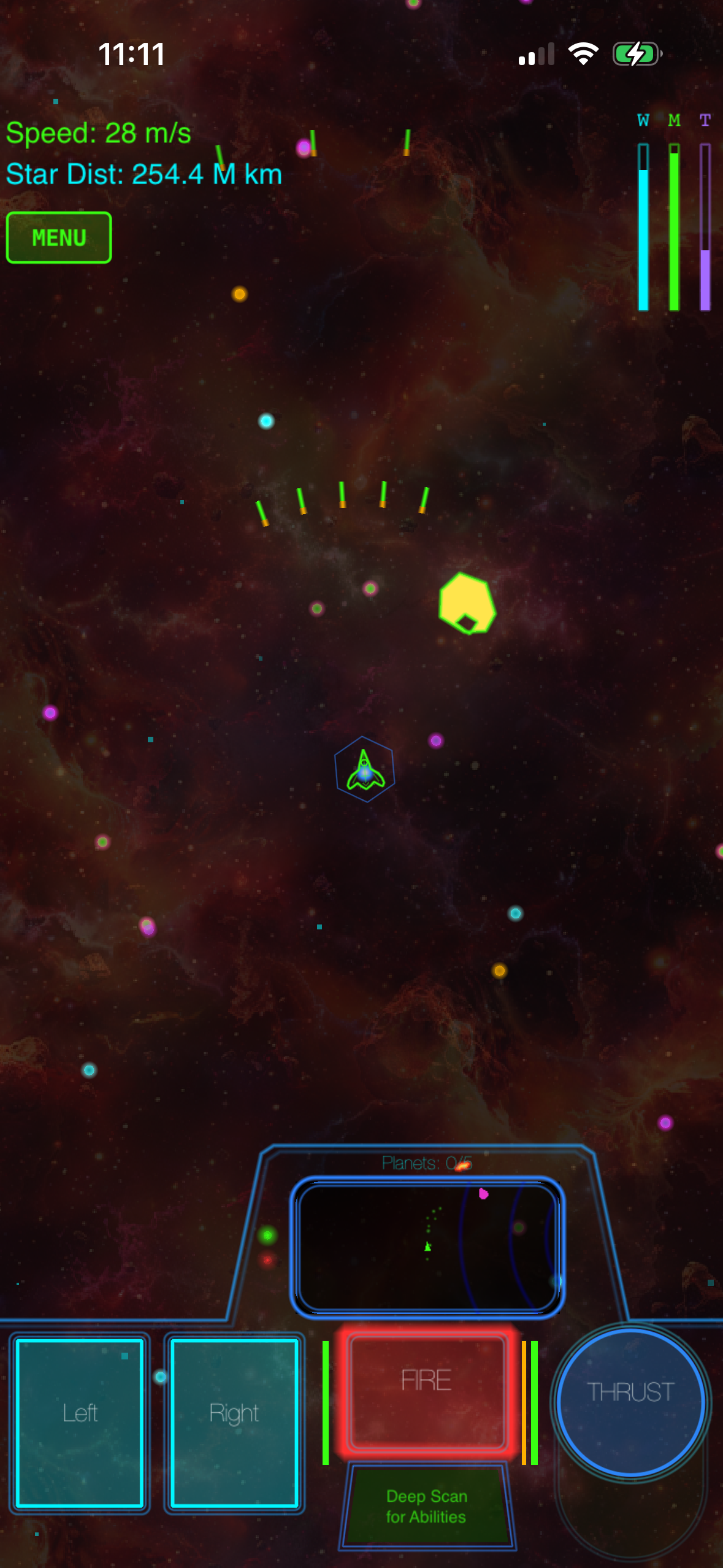
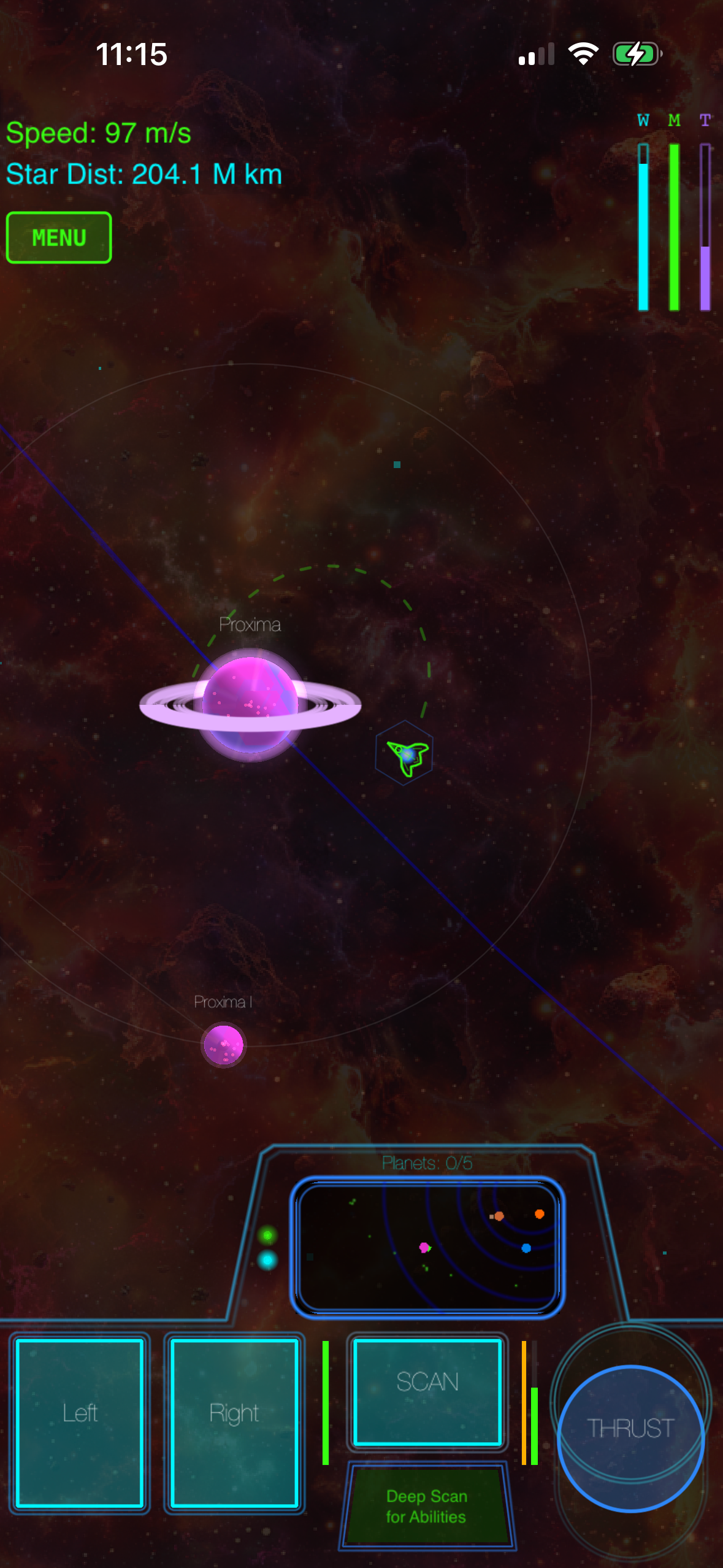
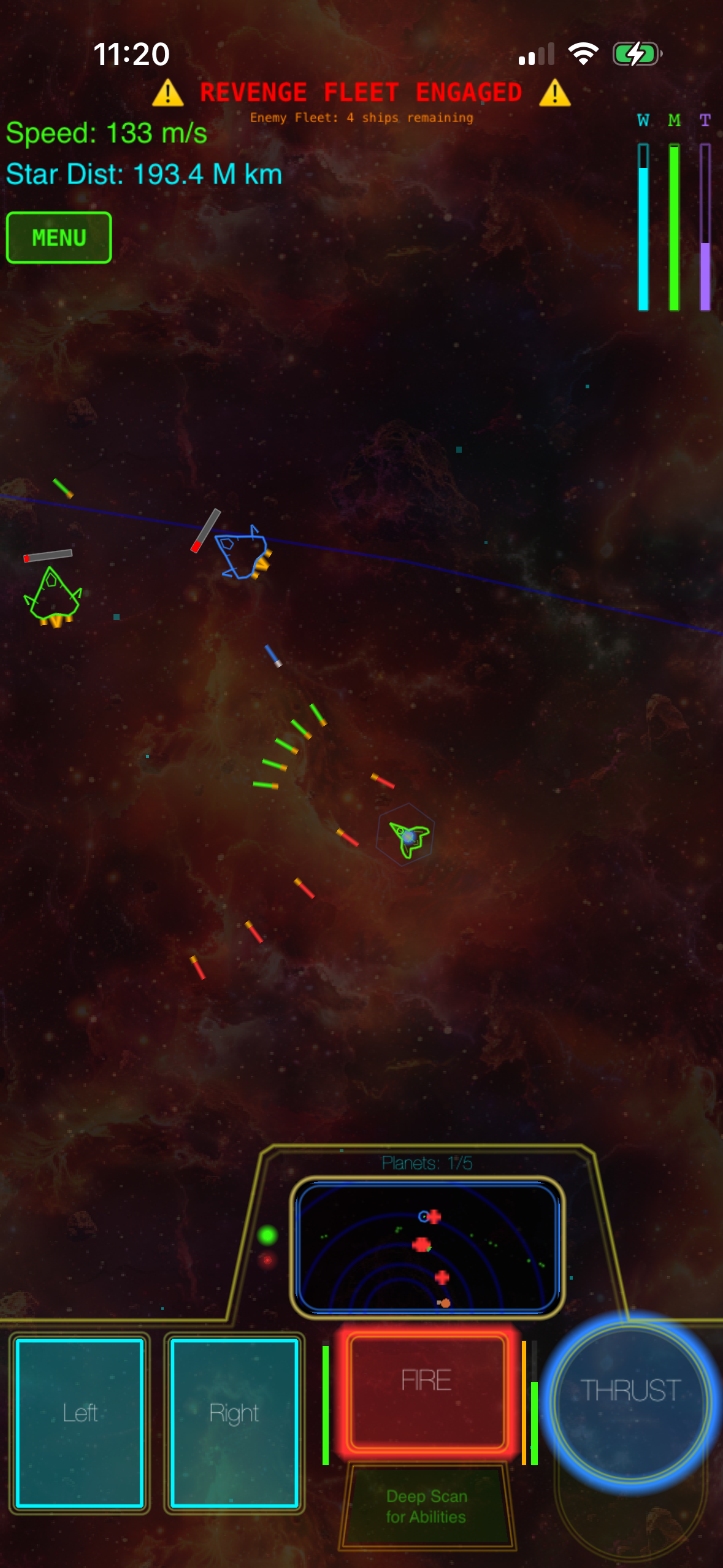
Galaximus exemplifies this approach. The game uses vector outlines for planets, asteroids, and the player ship—clean, readable geometry—but underneath runs a full orbital mechanics simulation. Every celestial body exerts real gravity on every other body in real time. A planet’s gravity well isn’t a visual effect; it’s a force that shapes your trajectory whether you’re paying attention or not. The vector interface makes the invisible physics legible: you can see your ship’s velocity vector, the planet’s pull, and the optimal slingshot path all at once without visual noise.
This combination—minimalist visuals, complex physics—is rare on iPhone. Most space games fake gravity for accessibility. Galaximus models it accurately, then makes the controls expressive enough that mastery is achievable in 30 minutes of focused play. The vector aesthetic isn’t window dressing; it’s the interface that lets you see the physics working.
Lunar Lander+ applies the same principle to descent-and-precision landing. Vector wireframe terrain, vector ship, vector thrust indicator. No bloom, no particle spam. Just you, gravity, and the landing pad. The simplicity of the visuals makes the gravity simulation the entire game.
Arcade Lineage: Vector Games That Respect Their Roots
Several premium vector games on iPhone trace directly back to specific arcade cabinets and honor the lineage rather than just borrowing the name.
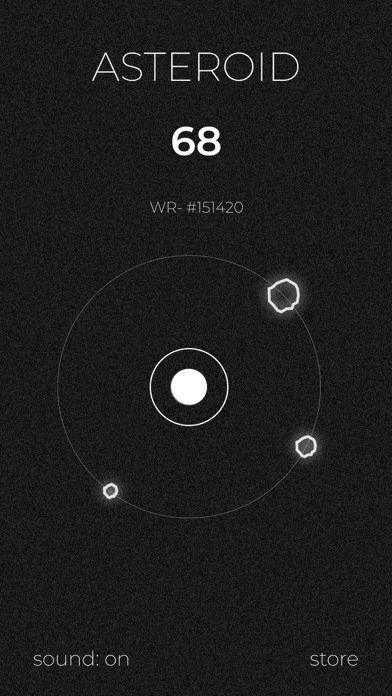
Asteroids+ is the clearest example. It takes the 1979 Atari Asteroids formula—rotate, thrust, shoot, dodge—and adds procedurally generated difficulty curves that scale with your skill. The vector aesthetic is identical to the original: white lines on black, asteroids as simple geometric shapes. But the game underneath is modern: per-run progression, leaderboards, multiple ship variants with different handling characteristics. It respects the arcade original while building something new.
Geometry Wars 3: Dimensions inherits from the twin-stick shooter lineage (Robotron, Smash TV) but filters it through vector neon. The visual style is pure arcade—bright outlines, minimal detail—but the mechanical depth is contemporary: multiple game modes, weapon types, and a difficulty curve that rewards both reflexes and positioning. The vector aesthetic keeps the action readable even when the screen is full of enemies and projectiles.
Vector-based interpretations dominate the premium arcade space because the aesthetic naturally suits arcade action. You get the visual clarity of the original, the mechanical depth of modern design, and zero visual clutter.
Minimalism as Design Philosophy
Vector graphics enable a broader design philosophy: minimalism. Every visual element serves the mechanic. There are no decorative particles, no bloom effects, no animated menus for the sake of animation.
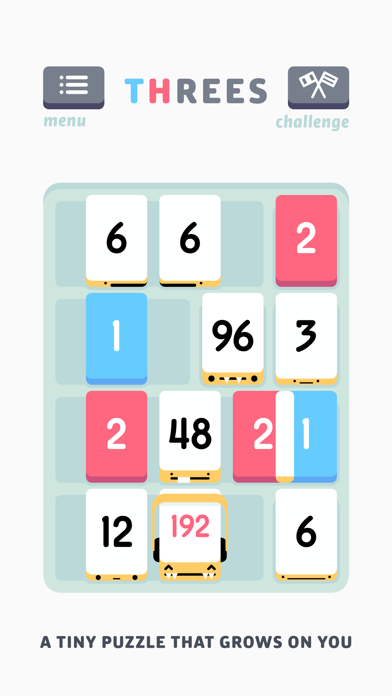
Threes! is the gold standard here. It’s a number-sliding puzzle with a vector aesthetic so clean it almost disappears. The tiles are simple squares with numbers; the background is a single color; the animation is functional, not ornamental. Every pixel of visual information tells you something about the game state. There’s no way to misread the board because there’s nothing to misread.
This approach scales across genres. A vector rhythm game can show beat timing with a simple line. A vector puzzle game can display board state with colored outlines. A vector shooter can render incoming fire as basic geometric shapes. The constraint of minimalism forces designers to think about what information actually matters and communicate it directly.
The psychological effect is underrated. Minimalist vector games feel faster than they are because there’s no visual lag. Your brain processes the input instantly. A neon line moving across a black background reads faster than a photorealistic spaceship moving through a nebula. This is why arcade cabinets used vector graphics in the first place—not for aesthetics, but for response time.
Premium Model: No Ads, No IAP, No Compromise
Among the vector-based arcade games on the premium side of the App Store, the standard model is one-time purchase with no additional monetization. There’s a reason: the aesthetic and the business model align. A game that’s visually economical is often mechanically economical too. It doesn’t need a battle pass, cosmetics, or energy timers because the core loop is sufficient.
Galaximus, Asteroids+, Lunar Lander+, and Geometry Wars 3 are all premium-tier, IAP-free experiences. You pay once and own the complete game. No ads interrupt your play. No cosmetics tempt you to spend more. The minimalist visual design pairs naturally with a complete, finished product.
This is increasingly rare on iPhone in 2026. Most games either run free-to-play with aggressive monetization or sit in the premium category while still shipping ads or battle passes. Vector-based arcade games, by contrast, tend to be genuinely premium: complete, ad-free, and designed for long-term play without spending pressure.
Vector Graphics Across Subgenres
Vector design works across multiple arcade subgenres, each with its own visual language.
Space games use vector outlines for ships, asteroids, and planets. The visual language is inherited from Asteroids and Lunar Lander. Galaximus extends this with real-time audio synthesis—every laser, explosion, and engine burn is generated dynamically to match the procedurally generated star systems.
Puzzle games use vector shapes and color to communicate board state. Threes! does this with numbered tiles. Dune: Imperium (the digital adaptation) uses vector iconography to represent resources and actions. The constraint of vector design forces designers to be economical with information.
Shooters use vector geometry for enemies and projectiles. Geometry Wars 3 is the obvious example, but smaller titles like Ridiculous Fishing use vector art for the underwater sequences. The visual style makes collision detection intuitive—you can see the hitboxes because they are the visuals.
Rhythm games use vector lines and shapes to represent beat timing and note placement. The visual simplicity lets players focus on the audio and the timing window rather than parsing complex visuals.
The unifying principle: vector graphics force intentionality. You can’t hide bad design behind particle effects or bloom lighting. Everything on screen has to earn its place.
The Learning Curve: Readability vs. Complexity
One advantage of vector graphics that’s often overlooked: they support readable complexity. A game can have intricate mechanics underneath while maintaining a clean visual surface.
Galaximus is the best example. The orbital mechanics are genuinely complex—gravity affects your trajectory in real time, slingshots require understanding momentum and orbital geometry, and the procedurally generated star systems demand spatial reasoning. But because the visuals are vector outlines and neon lines, none of that complexity obscures the interface. You can see your velocity vector, the planet’s gravity well, and the optimal approach path all at once without visual clutter.
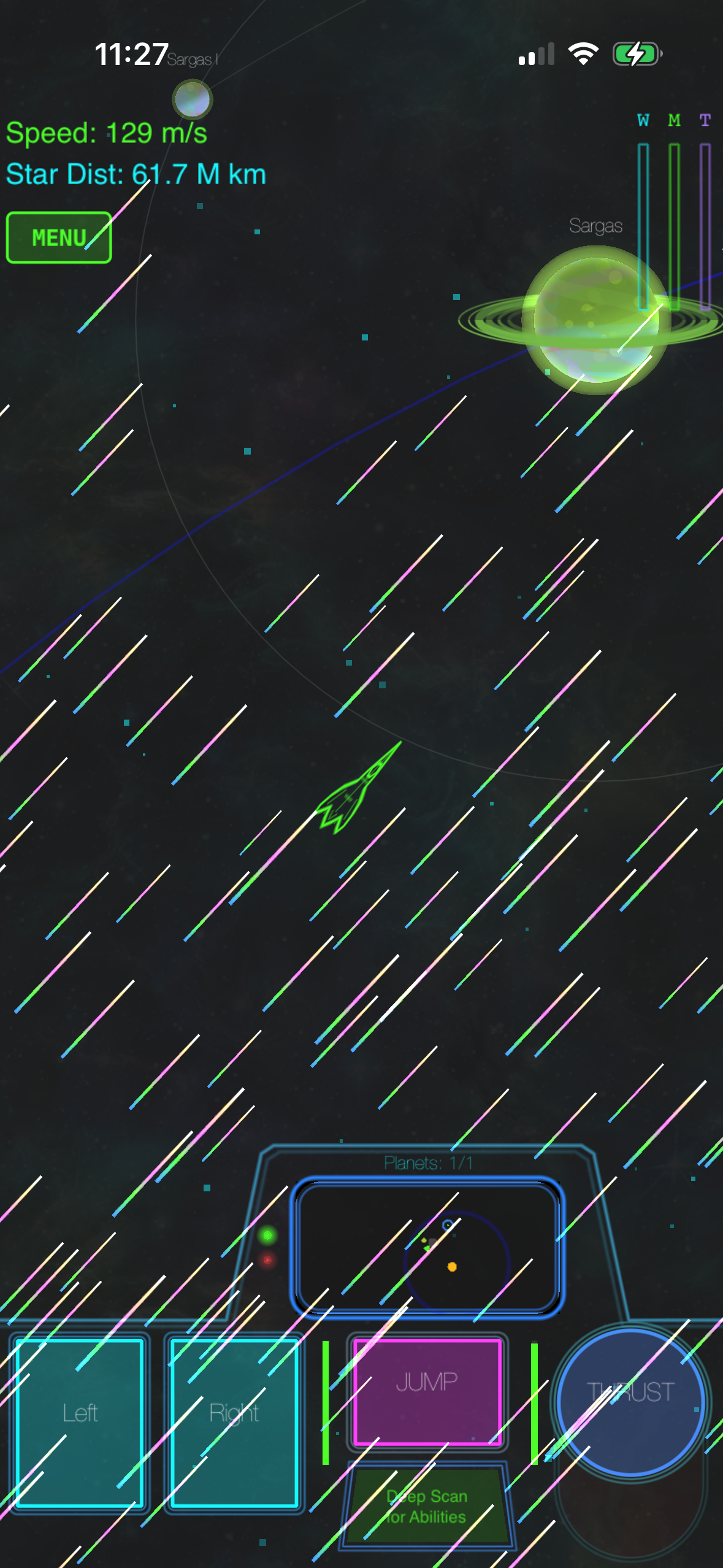
Contrast this with a photorealistic space game where visual effects might obscure your trajectory or hide incoming threats. Vector design keeps the information hierarchy clean: mechanics first, visuals in service of mechanics.
This is why vector graphics remain popular in premium arcade games even though higher-fidelity alternatives are technically possible. The aesthetic isn’t retro nostalgia; it’s a practical design choice that supports both clarity and depth.
Where to Start: Finding Vector Games That Fit Your Taste
If you’re new to vector-based arcade games, the entry point depends on what you want:
- If you like physics and space: Galaximus teaches orbital mechanics through play. The learning curve is real—gravity is not intuitive—but the payoff is mastery that no faked-physics game offers.
- If you like pure arcade action: Asteroids+ or Geometry Wars 3 offer immediate familiarity with modern depth underneath.
- If you like precision and control: Lunar Lander+ rewards patient positioning over twitch reflexes.
- If you like puzzles: Threes! is the gold standard for minimalist design supporting mechanical depth.
All of these are premium-tier, one-time purchases. No ads. No energy timers. No cosmetics. Just complete games designed for long-term play.
FAQ
Are vector graphics cheaper to develop than realistic graphics? Technically, yes—vector assets are smaller and render more efficiently. But the real reason indie developers choose vector is clarity and aesthetic control, not cost savings. A minimalist vector game is harder to design well than a photorealistic one because you can’t hide behind visual effects.
Do vector games run better on older iPhones? Generally, yes. Vector rendering is more efficient than rasterized graphics on mobile hardware, so games run smoothly on iPhone 11 and earlier. But modern vector games like Galaximus still push the physics simulation hard enough that older devices may see frame-rate dips during complex encounters.
Can vector graphics be visually impressive? Absolutely. Geometry Wars 3 proves that neon vector graphics can feel explosive and dynamic. The constraint of minimalism doesn’t mean boring—it means intentional. Every visual effect earns its place.
Are all premium iPhone arcade games vector-based? No. Some premium arcade games use hand-drawn or 3D graphics. But vector design is common in the premium arcade space because the aesthetic pairs naturally with the business model and the mechanical clarity that arcade games demand.
How do I know if a vector game is actually premium or just premium-priced? Read reviews on the App Store and TouchArcade. Real premium games ship complete and don’t add ads or energy timers after launch. If a game is advertised as premium but has ads or battle passes, that’s premium-in-name-only.
The Bottom Line
Vector graphics on iPhone aren’t a compromise—they’re a design choice that reflects craft. Clean lines, readable information, and fast response times make vector-based arcade games feel responsive and intentional. Paired with premium pricing and IAP-free monetization, they represent a category of games designed for players who value complete experiences over engagement hooks.
If you want arcade action without visual noise, physics that you can see and understand, or minimalist design that respects your attention, vector-based games are where to look. Galaximus, Asteroids+, Lunar Lander+, and Geometry Wars 3 are the current standard-bearers—each proving that constraint breeds clarity, and clarity enables mastery.