Premium Space Games for iPhone: Paid Sci-Fi Experiences

Photo by Esteban Lafargue on Unsplash
Premium Space Games for iPhone in 2026
Space games on iPhone occupy a strange middle ground. The App Store floods with free-to-play titles that monetize your attention with energy timers and battle passes. Meanwhile, a smaller ecosystem of premium space games—the kind you buy once and own completely—remains largely undiscovered. This guide surveys the best paid space games worth your time and money, from arcade-lineage shooters to exploration-focused experiences that respect your time.
What Counts as Premium Space
Before diving into recommendations, let’s clarify what “premium” means in this context. A premium space game is:
- Pay-once, own forever. You buy it on the App Store and play without energy timers, battle passes, or seasonal content locked behind subscriptions.
- Ad-free. No banner ads, no interstitial popups, no video ads rewarding you for watching them.
- IAP-free or minimal. If in-app purchases exist, they’re cosmetic only—never affecting core gameplay or progression.
- Craft-built. The developer invested in mechanics, visuals, or narrative that show deliberate attention to detail.
Many App Store listings claim “premium” status while shipping ads or timers. This guide sticks to the strict definition.
Orbital Mechanics and Physics-Based Space Games
The most interesting premium space games on iPhone lean into physics simulation. Rather than arcade-abstracted controls, these titles reward understanding momentum, gravity, and orbital dynamics.
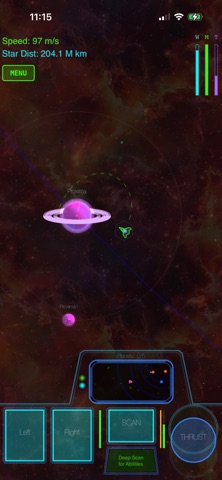
Galaximus exemplifies this approach. The game uses real orbital mechanics—the kind that govern actual spacecraft—as the foundation for arcade action. Players navigate gravity wells, manage velocity, and position themselves against enemies using genuine physics rather than arbitrary cooldown timers. The learning curve is steep but the payoff is a space game that feels different from the twitch-reflex arcade crowd. The visual feedback is clean and responsive, and the game respects patient positioning over button-mashing.
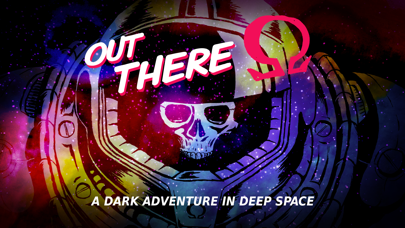
Out There Ω takes a different physics approach: resource scarcity and orbital navigation as narrative constraint. You’re piloting a ship through deep space with limited fuel, oxygen, and hull integrity. Every jump to a new star system is a calculated risk. The game layers choice-driven dialogue and exploration onto this survival framework, creating moments where orbital mechanics become personal—you’re not just managing numbers, you’re managing your character’s survival and moral choices. The soundtrack and minimalist interface reinforce the isolation.
Vector Graphics and Minimalist Space Aesthetics
A strong subcategory of premium space games embraces vector graphics and geometric minimalism. These titles often trace lineage back to 1980s arcade cabinets, where technical limitations birthed a distinctive aesthetic that remains visually striking today.
Asteroids: Recharged is the clearest example. Atari’s 1979 Asteroids arcade cabinet is the DNA here, but Recharged isn’t a straight port—it’s a reinterpretation that respects the original’s core loop while adding modern design polish. The vector graphics are clean, the hitbox feedback is precise, and the difficulty curve teaches you gradually rather than punishing you for learning. Players appreciate that it doesn’t try to “improve” Asteroids so much as it clarifies what made the original work, then gives you hundreds of waves to prove mastery.
Asteroid Outpost leans into survival and base-building within a minimalist space setting. The aesthetic is pure geometry—circles, lines, and simple shapes—but the gameplay loop is about resource management and strategic positioning. You’re defending an outpost from asteroid impacts and enemy incursions using limited resources and repair capacity. The vector style keeps the visual noise low, allowing you to focus on decision-making rather than parsing a cluttered UI.
Exploration and Narrative-Driven Space Games
Not every premium space game prioritizes action. A smaller but meaningful subset emphasizes exploration, discovery, and storytelling.
Exoplanet focuses on procedurally-generated planetary exploration. You land on alien worlds, scan for resources and lifeforms, and piece together a picture of what happened to the civilization that once inhabited these systems. The pacing is slow and contemplative—closer to a walking simulator than a shooter—but the sense of discovery and the quality of the environmental storytelling create genuine engagement. The game rewards curiosity and observation over reflexes.
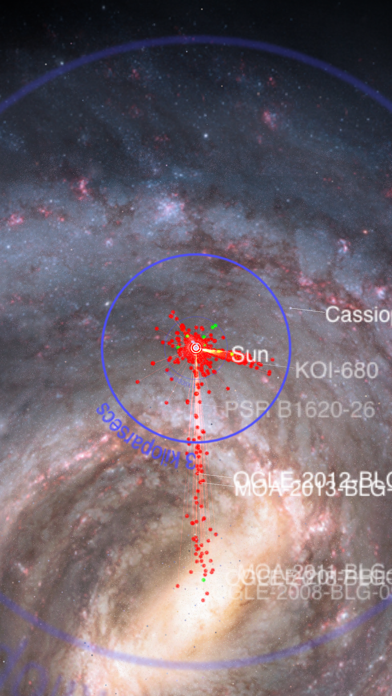
Interstellar positions itself as a narrative-driven space adventure where your choices shape the story and your crew’s fate. The game balances real-time resource management (fuel, oxygen, morale) with branching dialogue and decision points. The writing is strong enough to carry slower moments, and the minimalist art direction keeps the focus on narrative rather than spectacle.
Arcade Lineage: Modern Takes on Classic Space Games
Several premium space games trace direct lineage to arcade cabinets from the 1979–1985 golden age. These aren’t nostalgia plays—they’re games that understand what made the originals work and apply that knowledge to modern design.
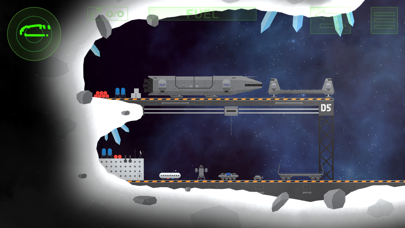
Lunar Rescue Arcade (a reinterpretation of the 1979 Lunar Lander concept) puts you in control of a lunar module with realistic fuel consumption and gravity. The challenge is landing softly on procedurally-generated terrain without crashing. The simplicity is deceptive: mastering the balance between thrust, descent rate, and horizontal positioning takes practice. The game’s difficulty is fair and the feedback loop is tight—you always know why you crashed and what to adjust next time.
Tempest 4000 (spiritual successor to Atari’s 1981 Tempest) wraps you in a first-person perspective inside a geometric tunnel. Enemies pour down the tunnel toward you; you move around the rim and fire to clear them. The modern version adds visual effects, a soundtrack, and progression, but the core loop—positioning and timing—remains faithful to the arcade original. The game is demanding but never feels unfair.
Sci-Fi Shooter Mechanics: Space Combat Refined
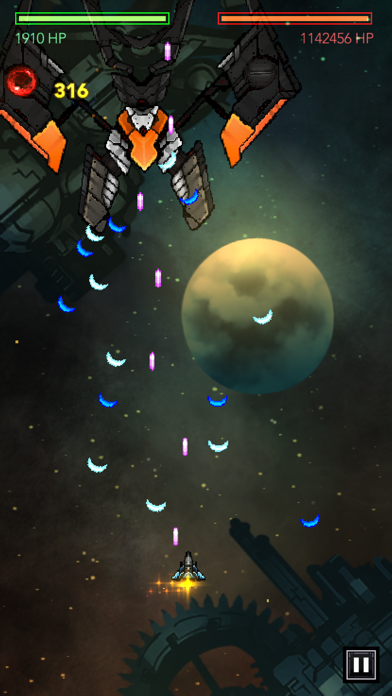
A few premium space games focus purely on combat and reflex-based gameplay, but with polish that distinguishes them from free-to-play clutter.
Geometry Wars 3: Dimensions (premium version, not free-to-play) is a bullet-hell shooter set in abstract geometric space. You navigate a small ship through waves of enemies and projectiles, collecting power-ups and chaining combos. The game is visually dense but mechanically clear—you always know what’s hitting you and why. The premium edition removes ads entirely and unlocks all content without grinding.
Price Tiers and Value Proposition
Premium space games on iPhone typically fall into specific price brackets:
- Budget-tier : Entry-level premium games, often with shorter campaigns or more focused mechanics. Asteroids: Recharged and Lunar Rescue Arcade sit here.
- Mid-tier : Full-featured games with substantial content, progression, or narrative depth. Galaximus, Out There Ω, and Tempest 4000 occupy this range.
- Premium-tier (+): Rare on iOS. When they appear, they’re typically premium ports of multi-platform indie games or exceptionally deep experiences.
The value proposition is straightforward: you pay once, you own the game forever, and you never encounter a paywall or timer. For players tired of free-to-play mechanics, this model is worth the upfront cost.
Avoiding the “Premium” Trap
Not every game labeled “premium” on the App Store is genuinely premium. Watch for:
- Hidden ads. Some games claim to be ad-free but include video ads triggered by “optional” rewards (revive tokens, bonus currency, etc.). Check reviews for mentions of unexpected ads.
- Cosmetic IAP that affects progression. If you can buy ships, weapons, or upgrades with real money, the game is freemium regardless of its label.
- Energy timers disguised as “stamina.” Stamina systems that regenerate over time are energy timers.
Read user reviews before buying. If recent reviews mention ads, timers, or paywalls, the listing is misleading. Genuine premium games have clean, consistent reviews praising the lack of monetization friction.
Where to Find Premium Space Games
The App Store’s official categories are unreliable for finding premium games—free-to-play titles dominate the “Games” section and often rank higher due to engagement metrics. Instead:
- Search by name. If you know a game exists, search directly and check the price and in-app purchase section.
- Browse TouchArcade and AppShopper. TouchArcade curates indie premium games with detailed reviews flagging monetization. AppShopper lets you filter by “paid games only,” cutting through free-to-play noise entirely.
- Check r/iosgaming. The subreddit maintains a strong culture of premium-game recommendation and calls out misleading listings.
FAQ
Which premium space game has the shortest learning curve?
Asteroids: Recharged and Lunar Rescue Arcade have gentle difficulty curves that teach you gradually. Out There Ω is more about decision-making than reflexes, making it accessible to players who prefer strategy over action. Galaximus and Tempest 4000 are steeper and reward persistence.
Do premium space games get updates and new content?
Some do, some don’t. Galaximus and Out There Ω receive periodic updates. Asteroids: Recharged shipped complete and receives balance patches but not new modes. Check the App Store listing’s update history to see if the developer is actively supporting the game.
Can I play premium space games offline?
Most do, though a few require an initial internet connection to validate the purchase. Once verified, they run offline. Check the listing details if offline play is critical.
Are there premium space games with multiplayer?
Very few on iOS. Most premium space games are single-player experiences. If multiplayer is essential, you’ll likely need to compromise on the “premium” requirement and accept free-to-play titles.
Do these games work on iPhone 12 or older?
Most premium space games support back to iPhone 11 or iPhone XS, but check the App Store listing for minimum iOS version requirements. Older titles like Asteroids: Recharged have broader compatibility than newer releases.
Closing Thoughts
The premium space game ecosystem on iPhone is smaller than the free-to-play flood, but it’s populated with thoughtfully-made titles that respect your time and money. Whether you’re drawn to arcade lineage, physics simulation, or narrative exploration, there’s a premium space game worth your attention. The common thread across all of them is this: they’re complete experiences from day one, free from timers and paywalls, and built by developers who care about craft over engagement metrics.
If you’re tired of free-to-play space games, start with one of the quick picks above. You’ll likely find it’s worth every penny.


