Premium Retro Arcade iPhone Games: 80s-Inspired Paid Titles

Premium Retro Arcade iPhone Games: 80s-Inspired Paid Titles
If you’re hunting for iPhone games that feel like they belong in a 1980s arcade cabinet—without the energy timers, battle passes, or ad breaks—you’re in the right place. Premium retro arcade games on iOS have become genuinely rare, which makes the ones worth playing stand out sharply. This guide covers craft-built titles that respect the lineage of classic arcade design while actually taking advantage of what modern phones can do.
Why Premium Retro Arcade Games Matter
The free-to-play arcade-game ecosystem has become a graveyard of energy timers and battle-pass cosmetics. A true retro arcade game—one that respects the 1979-1985 design philosophy—doesn’t need those hooks. It’s built on the principle that the game itself is the reward. You pay once, you own it, and the design stands or falls on its own merit.
Premium retro titles on iOS are scarce because they don’t generate recurring revenue. That scarcity is exactly why the ones that exist tend to be better-made. Developers who choose to build a pay-once arcade game in 2026 are doing it because they believe in the design, not because a publisher mandate requires a monetization funnel.
Core Mechanics: What Makes Retro Arcade Work
Retro arcade games share a few non-negotiable design pillars:
- Immediate legibility. You understand the goal in seconds. No tutorial, no story mode—just rules and a challenge.
- Skill-based progression. Difficulty comes from mastery, not from grinding or unlocking power-ups. The game respects your input.
- Short play sessions. A run lasts minutes, not hours. Arcade cabinets were built for quarters; modern retro games honor that pacing.
- Physics that feel fair. Whether it’s gravity, collision, or bullet velocity, the player should feel in control, not fighting the game’s systems.
Premium retro games on iPhone lean into these principles hard. They also tend to add one or two modern conveniences—touch-optimized controls, save states, pause menus—without breaking the core experience.
Vector Graphics and the Retro Aesthetic
Many premium retro arcade games use vector graphics, not because they’re cheaper to make, but because they’re cleaner. Vector-based games scale perfectly to any screen size and create that clean, almost mathematical feel that arcade cabinets had.
The aesthetic also carries a practical advantage: a vector game runs fast on older iPhones. If you’re playing on a 6-year-old device, a well-made vector arcade game will run smoother than a pixel-art platformer with particle effects. That’s not a compromise; it’s a feature.
Some developers layer synthwave color palettes—neon pinks, electric blues, dark backgrounds—over vector geometry. That combination became iconic in the 2010s indie scene and remains the most recognizable “retro arcade” visual language on iOS today.
The Difference Between “Retro-Styled” and “Arcade Lineage”
Not every game that looks retro actually plays retro. A game can have pixel art and 80s-era color grading but still play like a modern action-adventure with progression systems and inventory management. That’s retro-styled, which is fine, but it’s different from arcade lineage.
Arcade-lineage games trace back to specific cabinet formats: Asteroids (shoot, rotate, thrust), Defender (horizontal scroll, wave-based enemies), Tempest (rotating tunnel, shape-based enemies), Pac-Man (maze, chase, power-up cycle). A modern arcade game either respects one of these formats or invents a new one that follows the same design philosophy.
When evaluating premium retro arcade games, look for games that either:
- Directly reference a classic arcade format (and do it well)
- Invent new mechanics that follow arcade principles (immediate clarity, skill-based, short sessions)
Both approaches work. The key is that the game’s design philosophy comes from arcade thinking, not just from arcade aesthetics.
Top Picks by Gameplay Type
Action-Focused Arcade Shooters
Games in this category emphasize reflexes and spatial awareness. You’re dodging, aiming, and managing a threat that grows more intense over time.

Puzzle-Arcade Hybrids
These games blend arcade pacing with puzzle-game logic. Your score depends on solving the spatial problem and executing the solution quickly.

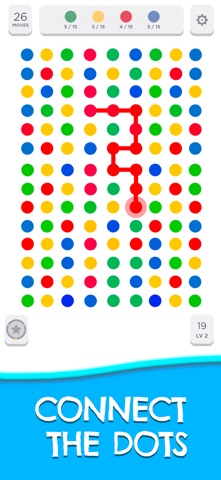
Two Dots builds on a connect-the-dots premise and layers arcade time pressure on top. You’re solving spatial puzzles while a timer counts down. The game respects your intelligence by never requiring twitch reflexes—only planning and quick execution once you’ve decided on a move.
Endless-Runner Arcade Games
Endless runners can feel retro when they focus on simple movement rules and progressive difficulty rather than cosmetic unlocks.


Maze and Chase Games
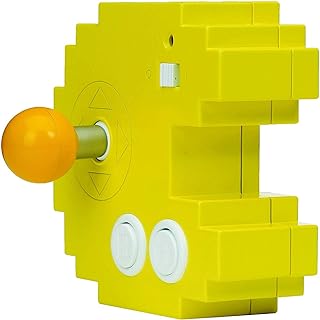
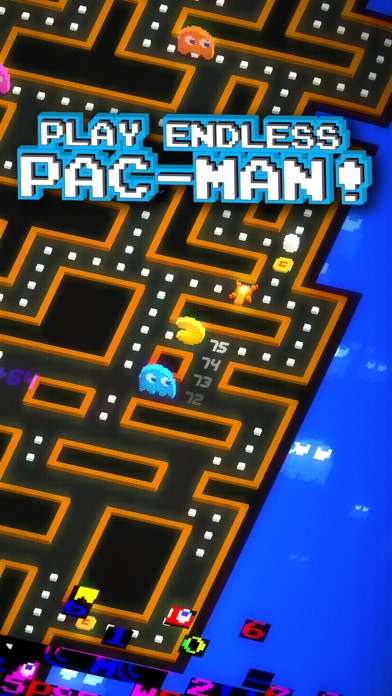
The Pac-Man lineage remains alive on iOS, though true premium versions are rare.
What to Avoid: Premium-in-Name-Only Games
Not every game with a one-time purchase price is truly premium. Watch for these red flags:
- Ad breaks during gameplay. Games like “Arcade Blast Pro” are sold as premium but show full-screen ads between rounds—hybrid monetization masquerading as a paid game.
- Energy/stamina systems. If you play three rounds and then have to wait or pay to continue, the game is designed around free-to-play principles, not arcade principles. “Puzzle Quest Arcade” is a common offender here.
- Cosmetic IAP. Some games are genuinely premium but still offer in-app cosmetics. That’s acceptable if the cosmetics are purely visual and don’t affect gameplay. But if you see “battle pass” language, walk away.
- Mandatory online connectivity. Arcade games should work offline. If a game requires a live connection to play a single-player experience, it’s not respecting the format and you should skip it.
True premium arcade games are simple: you buy them once, you own them forever, and there are no surprise paywalls.
Retro Arcade on Older iPhones
One genuine advantage of premium retro arcade games: many run beautifully on older hardware. A vector-based arcade game from 2-3 years ago will often run smoother on an iPhone 8 than a modern AAA port will.
If you’re playing on an older device, look for games built with vector graphics or pixel art rather than 3D rendering. The frame rate will be more stable, and the battery drain will be lower. Players with older iPhones specifically seek out retro arcade games because they’re among the few premium titles that don’t require a recent device.
FAQ
Q: Do premium arcade games support cloud saves?
A: Most do, but not all. Check the App Store listing under “Game Center” or “iCloud” to confirm. Games built with modern SDKs typically include cloud save support, which means you can switch devices and pick up where you left off. Older premium arcade games may not have this feature.
Q: Which premium arcade games work on iPhone SE?
A: Most vector-based and pixel-art arcade games run smoothly on iPhone SE (all generations).
Q: Are premium arcade games really better than free-to-play arcade games?
A: Structurally, yes. A free-to-play arcade game is designed to maximize session time and monetization hooks, which pulls against the core arcade philosophy of “short sessions, pure skill, no grinding.” A premium game has no financial incentive to pad playtime, so the design can stay focused. That doesn’t mean every premium game is good, but the incentive structure favors better design.
Q: Do I need a recent iPhone to play premium retro arcade games?
A: No. Many premium retro arcade games are specifically designed to run on older hardware. Vector-based and pixel-art games in particular run smoothly on iPhones from 5-7 years ago. Check the App Store listing for minimum iOS version before buying, but most premium retro titles are friendly to older devices.
Q: Why are premium arcade games so hard to find?
A: They don’t generate recurring revenue. Free-to-play games with energy systems, battle passes, and cosmetic IAP are far more profitable, so publishers prioritize them. Developers who build premium arcade games are usually doing it for creative reasons, not financial ones. That scarcity is why the ones that exist tend to be well-made.
Q: Can I play premium arcade games offline?
A: Most can, yes. True arcade games don’t require a live connection. Check the App Store listing to confirm, but if a game requires online connectivity for single-player play, it’s not respecting arcade principles and you should skip it.
Closing
Premium retro arcade games on iOS represent a small but genuinely excellent corner of the App Store. They’re built by developers who believe in the format, not by committees optimizing for engagement metrics. If you’re tired of free-to-play grind and you want games that respect your time and your money, these titles deliver.
The best approach: pick a game that matches your preferred arcade style (shooter, puzzle, endless-runner, or maze), buy it, and play it offline whenever you want. No timers, no ads, no surprises. That’s the retro arcade promise, and these premium games deliver on it.