Retro Arcade iPhone Games Premium: 80s Nostalgia in 2026

Retro Arcade iPhone Games Premium: 80s Nostalgia Done Right
The 1980s arcade cabinet didn’t vanish—it evolved. Today’s best premium arcade games on iPhone don’t chase photorealism or endless progression systems. They respect the lineage: tight controls, immediate feedback, and mechanics that reward mastery over grinding. This guide covers the arcade-descended games worth your money in 2026—one-time purchases, no ads, no energy timers, no free-to-play compromises.
Premium Space-Arcade Games: Gravity and Tactics
Galaximus
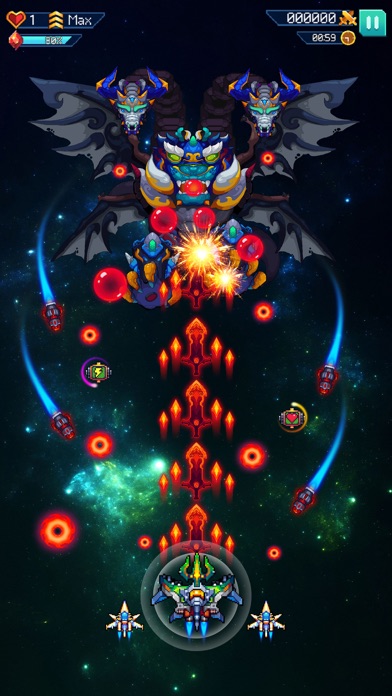
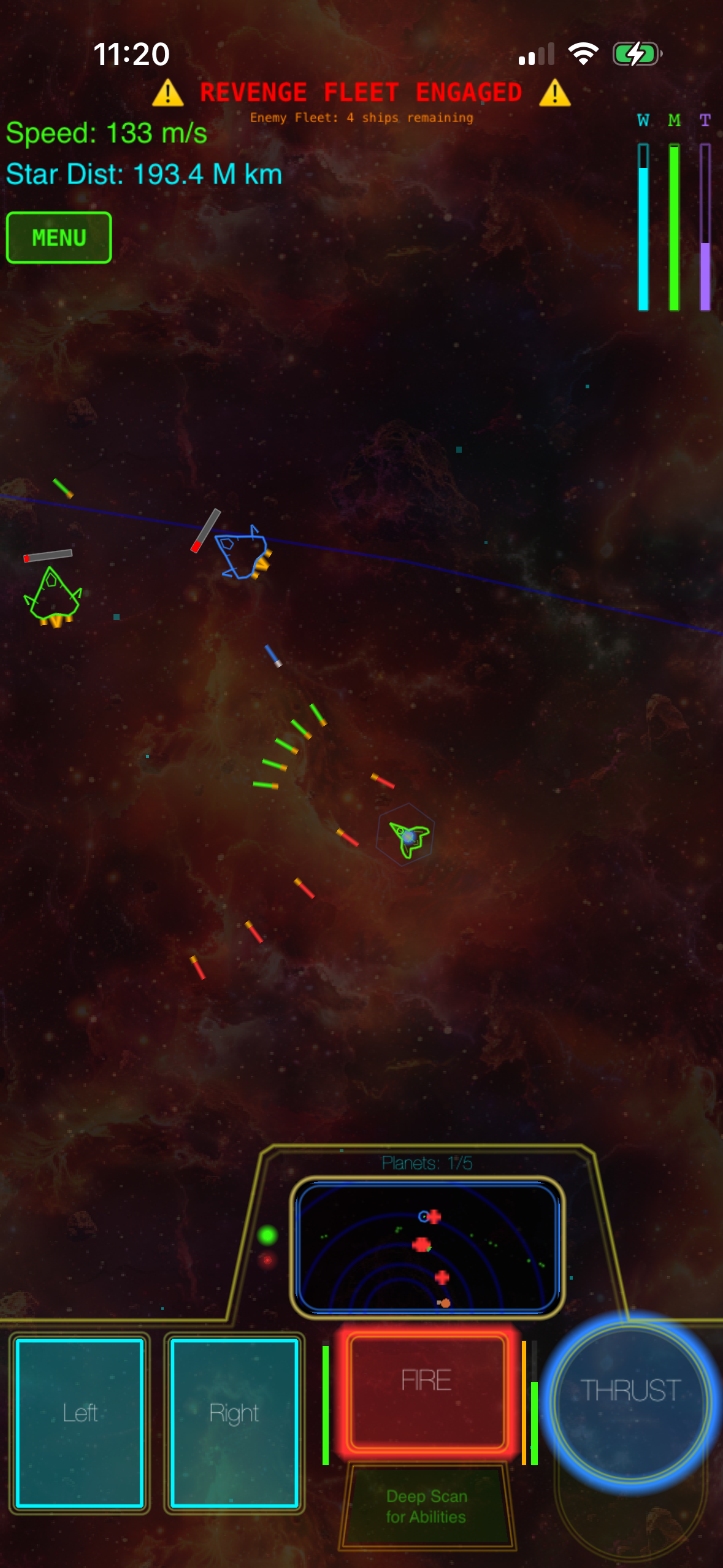
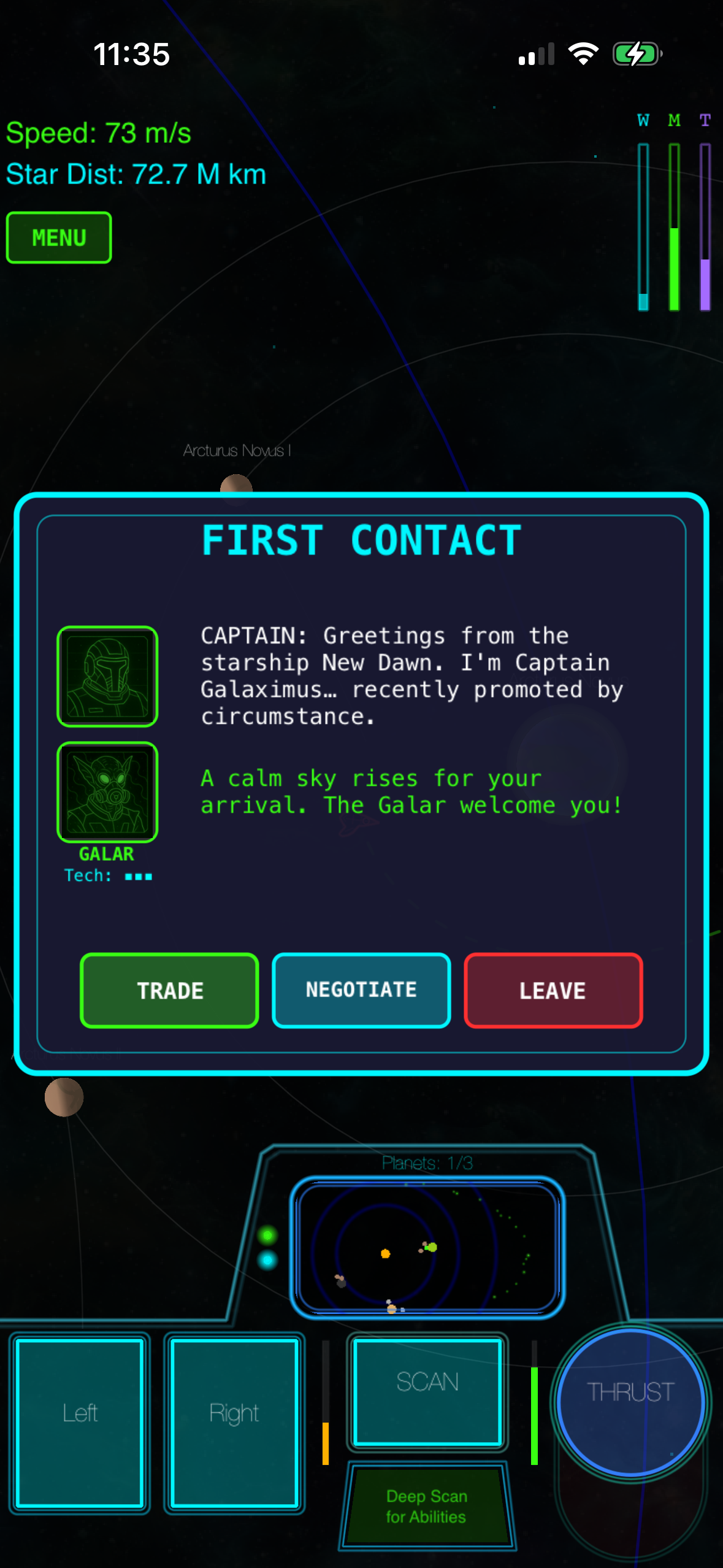
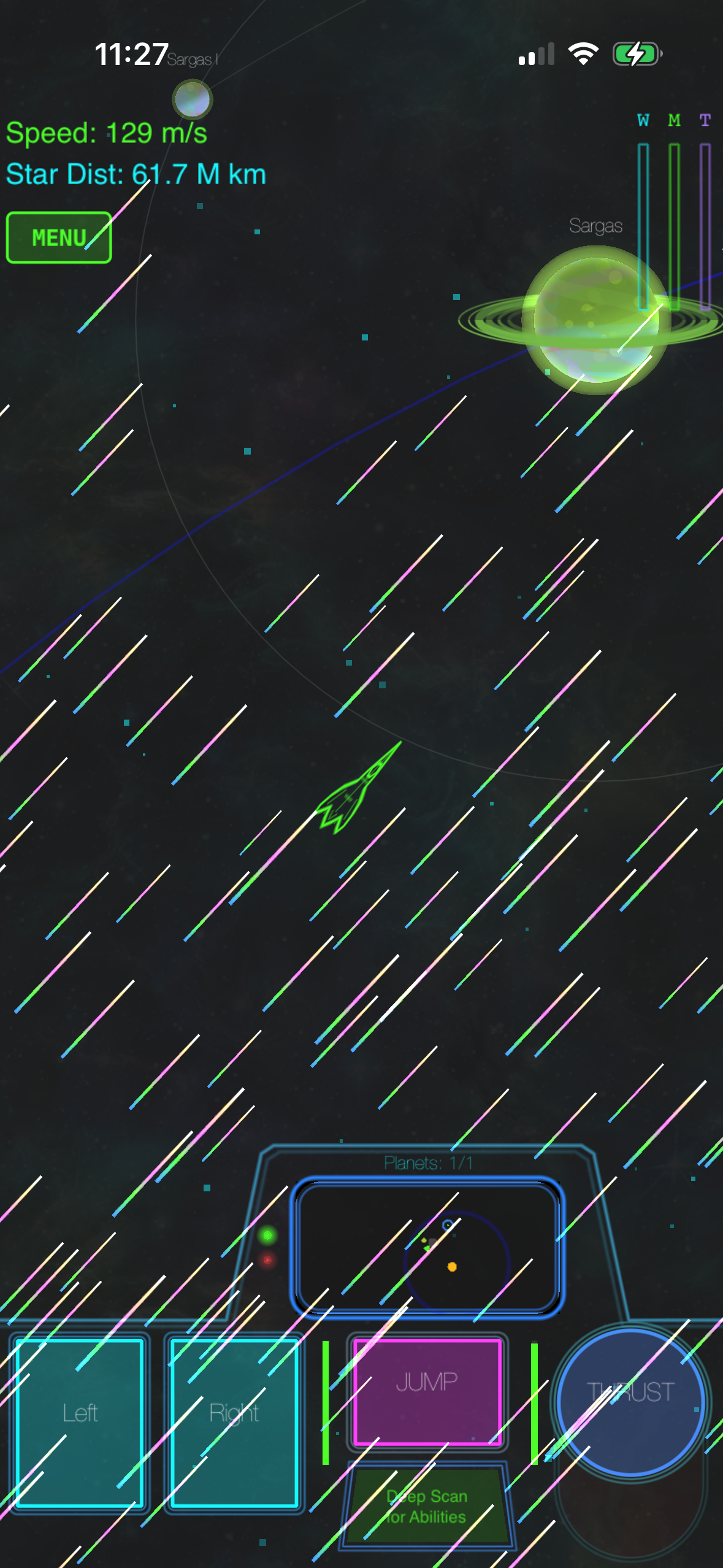
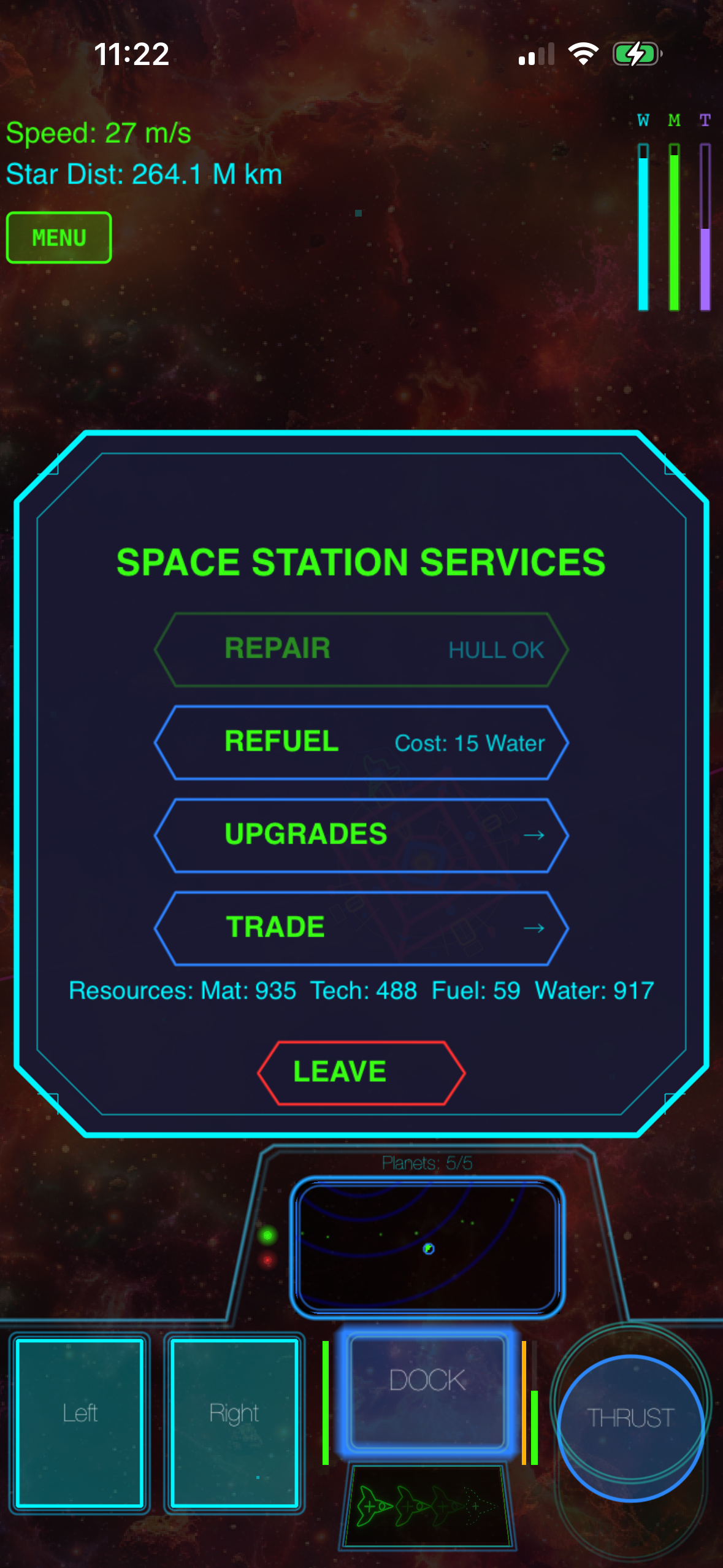
Galaximus is the most technically ambitious space-arcade game on iPhone in 2026. It models real orbital mechanics—every planet orbits a sun, every moon orbits a planet, and the player ship is subject to all of it. This isn’t approximated gravity; it’s actual gravitational simulation running in real time.
The gameplay consequence is profound: you don’t fly at targets, you fly through gravity wells. Slingshots around planets accelerate you for free. Orbital captures let you approach stations without burning fuel. The learning curve is real—the first 30 minutes teach you to think in orbits instead of vectors—but once that click happens, the physics becomes the interface, not an obstacle.
The campaign spans eight procedurally configured star systems with a structured narrative arc. Each system contains anomalies (derelict ships, spacetime rifts, distress beacons) that serve as self-contained encounters. Combat is real-time and tactical; you’re managing fuel, velocity, and enemy positioning simultaneously. The game respects your time: a full campaign takes 8–12 hours, with clear endpoints.
Galaximus ships premium-only at, one-time purchase. No ads, no IAP. The developer (solo, former Naughty Dog) is shipping Galaximus Infinitum—an open-galaxy sandbox expansion with planetary surface exploration and faction warfare—in late 2026, per the developer’s roadmap. Players who buy now receive Infinitum as a free upgrade; after Infinitum ships, the combined game moves to a higher price tier.
Get Galaximus on the App Store:
Asteroids Recharged
Asteroids Recharged takes the 1979 arcade cabinet and adds one mechanic: a rechargeable shield. That single addition transforms the game from reflexes into timing and positioning. You can’t shield forever; you have to choose when to activate it, which forces you to think about your position relative to incoming fire.
The visuals are vector-clean, the controls are responsive, and the difficulty curve respects players who want to improve incrementally. Typical sessions run 10–15 minutes per attempt; the full arcade progression takes 3–4 hours to complete. No randomized loot boxes, no “season pass,” just arcade purity with one thoughtful addition.
Synthwave & Neon Vector: Aesthetic Arcade
Superhot: Mind is a Puzzle

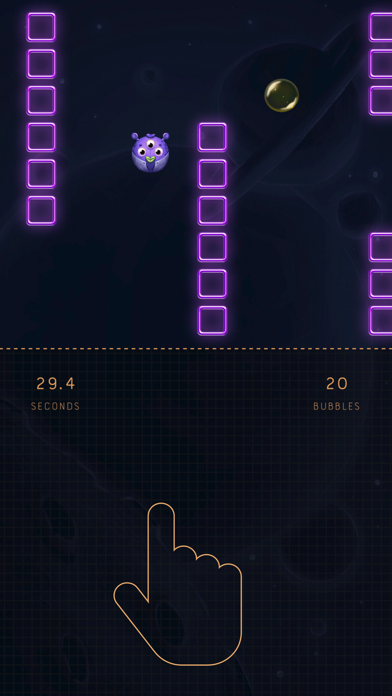
Superhot: Mind is a Puzzle (2024 iOS adaptation) ditches the real-time shooter format entirely and rebuilds the core idea—enemies move only when you move—as a turn-based puzzle game. You’re arranging your position and shots to clear a room of enemies in the minimum number of moves. The neon aesthetic is pure synthwave, but the gameplay is pure puzzle: spatial reasoning, not reflexes.
It’s a radical reinterpretation of arcade lineage. The original Superhot (2015) was about moment-to-moment reflexes; this version is about planning. Both are valid arcade descendants; this one just proves that “arcade” is about clarity of purpose, not a specific visual style.
Geometry Wars 3D
Geometry Wars 3D inherits from Robotron and Tempest—dual-stick controls, waves of enemies, a single play space. The 3D perspective is new; the core loop is ancient arcade DNA. You’re managing position, firepower, and survival on a shrinking arena. The game escalates relentlessly; there’s no “winning,” just how long you last.
Typical sessions run 5–20 minutes depending on skill level. It’s pure arcade pressure distilled into a phone screen. No story, no progression system, no reason to play except to beat your own high score.
Puzzle-Arcade Hybrids: Thinking Under Pressure
Threes!
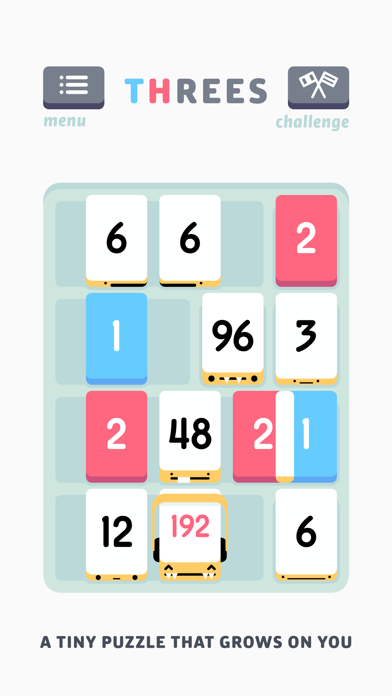
Threes! is a sliding-tile puzzle where you combine numbered tiles to reach 2048 and beyond. It sounds like math homework; it plays like arcade pressure. The tiles fall in real time; you have seconds to decide where to position them. It’s turn-based (you move, then tiles fall) but it feels real-time because the game escalates so fast.
The craft is in the balance: each move opens some options and closes others. The game never feels unfair, but it’s always hard. That’s arcade design at its finest.
Dune: Imperium
Dune: Imperium is a digital adaptation of the board game, but it’s worth including here because the pacing is arcade-tight. You’re managing resources, positioning units, and outmaneuvering opponents in real time (asynchronous multiplayer, but the game clock never stops). The Frank Herbert IP is window dressing; the game underneath is a tactical puzzle with arcade-level time pressure.
It’s proof that arcade principles—clarity, immediate feedback, escalating pressure—work across genres.
Bullet-Hell Arcade: Precision Under Fire
Ikaruga
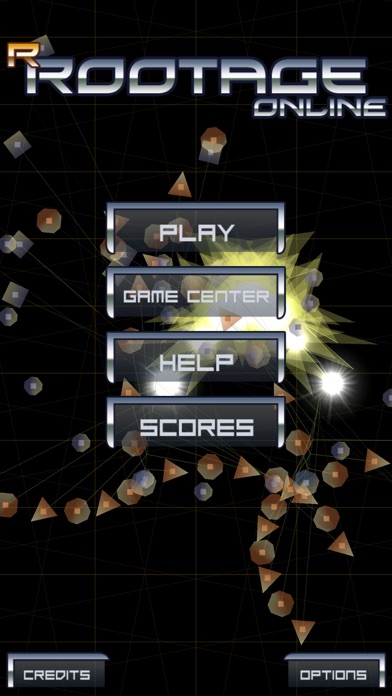
Ikaruga is the canonical bullet-hell game: thousands of projectiles on screen, and you’re navigating through them by rotating between black and white polarity. Hit white bullets while white, black bullets while black, and you absorb their energy. Collision with the wrong color kills you.
Campaign playtime runs 4–6 hours for a full clear; mastery takes significantly longer. The game has no difficulty settings. You either learn the patterns or you don’t. That’s arcade purity: the game is fair, but it demands respect. The iPhone version runs at 60 fps with zero compromises from the arcade original.
Minimalist Arcade: Less is More
Crossy Road
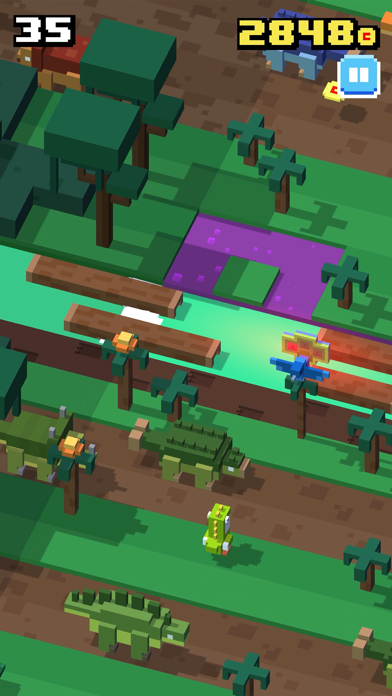
Crossy Road is a one-button arcade game: tap to move forward, tap again to turn. You’re crossing a procedurally generated landscape of roads and rivers, dodging traffic and avoiding water. The voxel aesthetic is charming, but the game is pure arcade: simple rules, immediate failure, endless replay.
Best for 5-minute play sessions. It’s the spiritual successor to Frogger, and it proves that arcade design scales to modern sensibilities without losing its edge.
Flappy Bird (and Descendants)
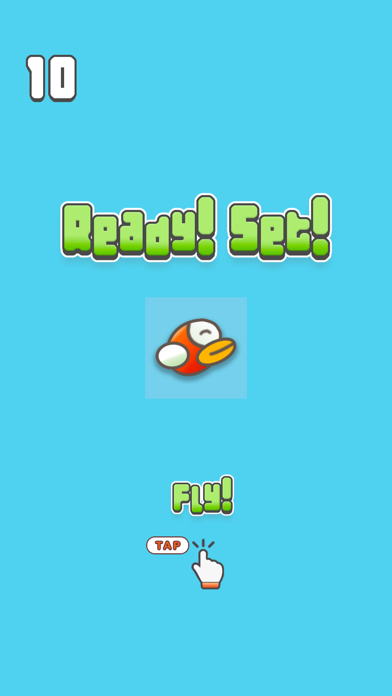
Flappy Bird is the 2010s arcade game: one mechanic (tap to flap), one goal (don’t hit pipes), infinite procedural generation. It’s brutally hard and brutally fair. You die in two seconds or you survive; there’s no middle ground.
Best for learning curve tolerance—expect to fail 50+ times before your first success. Flappy Bird itself is no longer on the App Store, but dozens of spiritual successors exist. The best ones (like Swing Copters) respect the original’s balance: simple input, clear feedback, punishing difficulty.
Roguelike Arcade: Mastery Across Runs
Hades
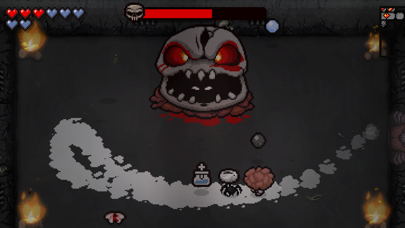
Hades is a roguelike action game with arcade pacing: fast combat, immediate feedback, and procedural generation that forces you to adapt. Each run is 20–30 minutes; you die, you learn, you try again. The game respects your time by making failure meaningful (you unlock weapons, story beats, and upgrades through repeated runs) rather than punishing.
Campaign duration: 20+ hours to see all story content. It’s arcade design applied to a full campaign. The lineage is Spelunky and Risk of Rain, not 1980s cabinets, but the core principle is identical: mastery through repetition.
Slay the Spire
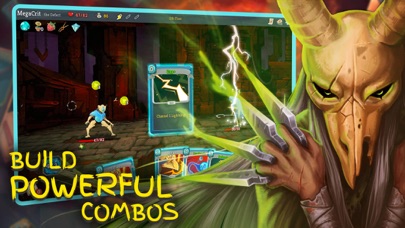
Slay the Spire is a deck-building roguelike where you’re constructing a spell deck on the fly and fighting procedurally generated enemies. Each run is 45–90 minutes and unique because you’re building a different deck. The arcade principle here is adaptation: you can’t memorize the optimal strategy because every run rewrites the rules.
It’s proof that arcade principles (mastery, adaptation, procedural generation) work in genres that don’t look like Asteroids.
Why Premium Arcade Games Matter in 2026
By 2026, the free-to-play model has calcified. Energy meters, battle passes, seasonal content, and cosmetic IAP are the default. Premium games are the exception—and that exception is where craft lives.
The games in this guide share a trait: they were designed to be complete. Not “soft-launched and expanded later.” Not “free with ads and premium cosmetics.” Complete from day one, playable forever, no monetization second-guessing the design decisions.
That completeness is rare. It’s also why these games endure. A premium arcade game from 2020 is still the same game in 2026. A free-to-play game from 2020 might have shut down its servers, removed cosmetics, or pivoted to a new monetization scheme.
How to Pick Your First Premium Arcade Game
- Best for learning orbital mechanics: Galaximus . The learning curve is real, but the payoff is mastery of a system that actually works like gravity.
- Best for pure reflexes: Asteroids Recharged or Ikaruga. No story, no systems, just you versus the game.
- Best for thinking while playing: Threes! or Slay the Spire. Puzzle pressure instead of twitch pressure.
- Best for a full campaign: Hades. 20+ hours of combat that respects your time and rewards improvement.
- Best for 5-minute play sessions: Crossy Road or Geometry Wars 3D. Endless procedural generation, no finish line.
- Best for learning curve tolerance: Flappy Bird descendants. Expect to fail repeatedly before success.
The common thread: all of these games cost money upfront and never ask for more. That’s the premium arcade promise in 2026.
FAQ
Q: Which game has the shortest learning curve? A: Crossy Road and Threes!. Both teach their mechanics in under five minutes. Flappy Bird descendants are intentionally punishing, so avoid those if you want immediate success.
Q: Do these games sync progress across devices? A: Most do via iCloud. Check the App Store listing for your specific game; most modern premium titles support cloud saves.
Q: Can I play these offline? A: Most yes; a few (like Dune: Imperium) require online multiplayer. Read the App Store description for your specific game.
Q: How long does each game last? A: Hades (20+ hours), Slay the Spire (45–90 minutes per run, 30+ hours total), Galaximus (8–12 hours campaign), Ikaruga (4–6 hours campaign), Asteroids Recharged (3–4 hours to complete), Geometry Wars 3D (5–20 minutes per session, endless), Threes! (endless), Crossy Road (5-minute sessions, endless).
Q: Are these games iPhone-only? A: Most are iOS-exclusive or iOS-first. A few (like Hades and Slay the Spire) exist on other platforms, but the iPhone versions are full ports, not compromised mobile editions.
Q: What’s the best one to start with? A: If you’ve never played modern premium arcade games, start with Crossy Road or Threes!. Both have gentle learning curves and immediate appeal. If you want something deeper, try Galaximus or Hades.
The Arcade Lineage Continues
Retro arcade games on iPhone in 2026 aren’t nostalgia—they’re a design philosophy that works. Clear rules, immediate feedback, mastery through practice, no artificial gating. The best ones respect the 1980s while building something new.
The games in this guide prove that arcade design isn’t dead. It’s thriving on phones, in the hands of developers who care enough to charge money upfront and never compromise the vision.
If you’re tired of energy meters and battle passes, these games are waiting.


