Best Indie iPhone Games Without Ads or IAP

Photo by Onur Binay on Unsplash
Best Indie iPhone Games Without Ads or IAP in 2026
The App Store is drowning in free-to-play noise: energy timers, battle pass popups, ads between every menu screen. If you’re looking for games that respect your time and your attention, you need to know where the real crafted experiences live. They’re the ones that cost money upfront and ask for nothing else.
This is a roundup of indie iPhone games built by developers who chose the premium model — one purchase, complete game, no monetization tricks. These aren’t AAA ports or nostalgia cash-grabs. They’re games where you can feel the developer’s attention in every system, from the physics to the UI to the way a level teaches itself without tutorial text.
Why Premium Indie Games Matter
The free-to-play model has trained players to expect ads, IAP, and energy systems as the default. They’re not. Over the past decade, indie developers including Simogo, Devolver Digital, and solo creators like Zach Gage have chosen the opposite path: charge a fair price upfront, deliver a complete game, and respect the player’s time. This shift is documented in TouchArcade’s annual iOS game roundups, which consistently highlight premium indie titles as the most critically praised releases.
This matters because it changes how a game is designed. When you’re not monetizing through time-gating or compulsion loops, you can build mechanics that reward patience, mastery, and exploration. You can ship a game with an ending. You can iterate on difficulty without worrying about whale conversion funnels.
The players who seek out these games know what they’re looking for. They’re willing to spend mid-tier to premium-tier money for a game that works offline, doesn’t ask for permission to show ads, and doesn’t reset your progress if you don’t log in for three days.
The Arcade-Lineage Picks
These games trace back to the 1979–1985 arcade golden age and respect that lineage. They’re not just using the aesthetic; they’re using the design principles.
Asteroids+ ($4.99)
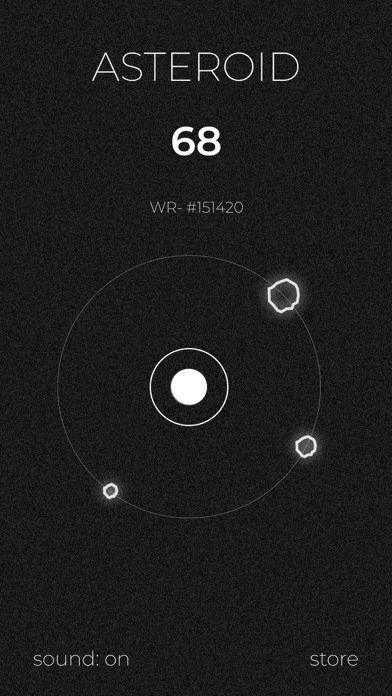
The most faithful modern interpretation of Asteroids on any mobile platform. Vector graphics, real inertial physics, and a scoring system that rewards positioning over reflexes. What this means mechanically: you can survive longer by managing your ship’s momentum and rotation than by twitching your aim. The developer didn’t add power-ups, didn’t add progression systems, didn’t add anything that would compromise the core loop. It’s Asteroids with the rough edges sanded down and the physics tuned to feel right on a touchscreen.
The game respects the original’s design intent: you’re managing velocity and rotation while your shots travel in straight lines. A newer player will struggle with the inertia at first, then understand why it’s there. An experienced player will recognize the skill ceiling immediately.
Tempest 4000 ($4.99)
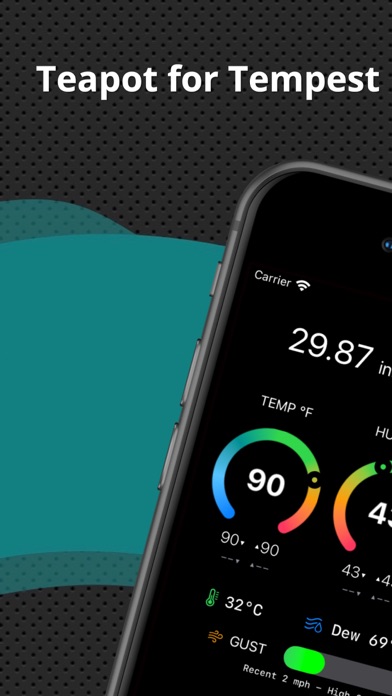
Tempest 4000 is the direct sequel to the 1981 arcade cabinet, built by the original designer with modern production values. The core mechanic — rotating around a geometric well while firing at enemies emerging from the center — is unchanged and unchallengeable. The game adds modern visuals (neon, vector, CRT-scan effects) without changing what made the original work.
This is one of the few cases where a premium-tier price is justified by the pedigree and the developer’s commitment to the original vision. It’s not a remaster of a game that was already on your phone; it’s a continuation of a design lineage most modern players have never experienced.
Puzzle Games Built for Depth, Not Monetization
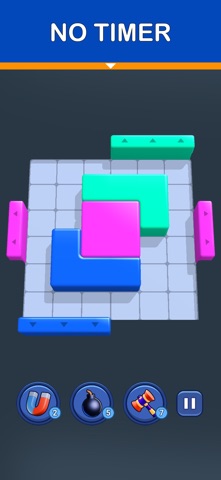
These games have no timer, no “buy hints” button, no level-skip IAP. They’re built to be solved, not to be quit and returned to tomorrow.
Two Dots ($1.99)
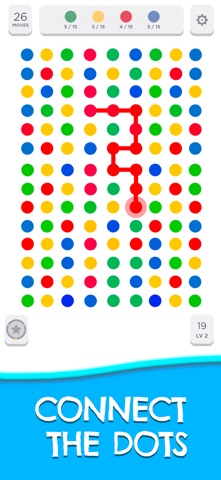
A grid-based puzzle where you connect dots of the same color to clear them from the board. The mechanic is simple enough to teach in 10 seconds; the level design is intricate enough to keep you thinking for hours. Later levels introduce anchored dots, obstacles, and multi-color chains that force you to plan several moves ahead.
The visual design is hand-drawn and minimal — no animations trying to hold your attention, no celebratory popups after each level. The game gets out of the way and lets the puzzle speak. Players report spending 50+ hours on the game’s 1,500+ levels without hitting a paywall.
A Monster’s Expedition ($4.99)
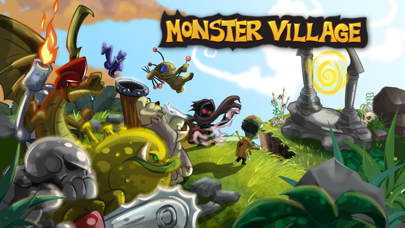
A puzzle-adventure where you push blocks and ride log rafts through a museum of extinct creatures. The physics are real — blocks have weight, water flows, momentum matters — but the game never punishes you for experimentation. There’s no timer, no “wrong” solution, just different paths to the same goal.
The writing is understated and charming. The puzzle design respects the player’s intelligence; it teaches mechanics through environment and play, not through tutorial text. Players report 15–20 hours of steady progression, with no difficulty spike or paywall.
Threes! ($1.99)
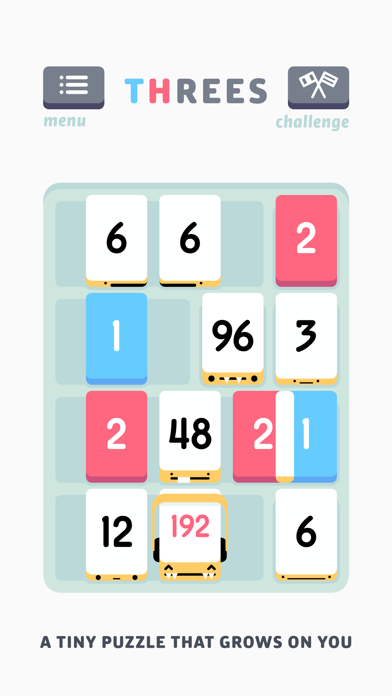
The original sliding-block puzzle that inspired 2048 and a dozen imitators, but Threes! is the one that still holds up. You slide numbered tiles on a grid, combining them to reach higher numbers. The mechanic sounds dry until you realize the game is teaching you number relationships and spatial reasoning simultaneously.
The original developer charged a mid-tier price in 2014 and has never added ads or IAP. The game has a zen quality — no timer, no score-chasing pressure, just you and the puzzle. Hundreds of owner reviews note that Threes! is the “thinking person’s” version of the genre, with a slower pace and deeper strategy than free-to-play alternatives.
Space and Sci-Fi Games Without the Bloat
Orbit ($2.99)
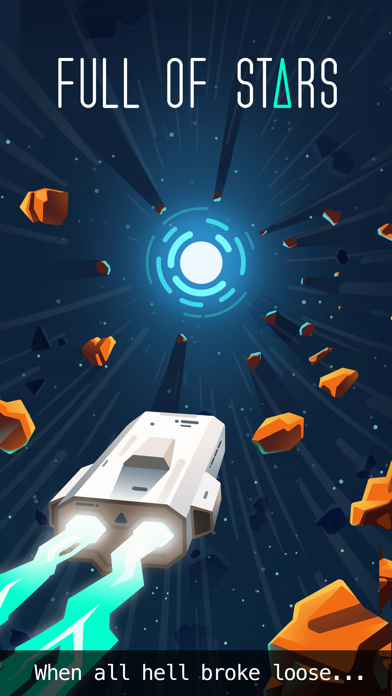
A minimalist space game where you manage orbital velocity and fuel to navigate between planets. The physics are real — you’re not moving in straight lines, you’re orbiting — and the game trusts you to figure out the mechanics through play. No tutorial, no hand-holding, just you, gravity, and a fuel gauge.
The visual design is vector-based and sparse. Each level is a puzzle that requires you to understand how orbital mechanics work. The game’s physics engine accurately models real orbital dynamics, giving players genuine insight into how gravity works in space.
Space Grunts ($2.99)
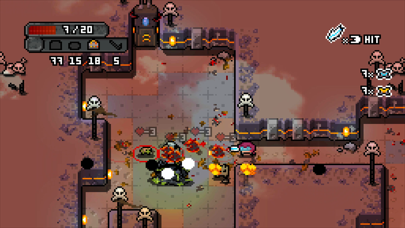
A turn-based roguelike where you’re a space soldier clearing alien-infested rooms with procedurally generated layouts. Each run is 10–15 minutes, and permadeath means you’re always learning. The game has no ads, no IAP, no way to “speed up” your progress — you earn your wins through strategy and positioning.
The pixel art is clean and readable, even on small screens. The turn-based system means you can take your time with each decision. Players who enjoy turn-based strategy and don’t mind permadeath report 30+ hours of replayability before the novelty wears thin.
Minimalist and Art-Forward Games
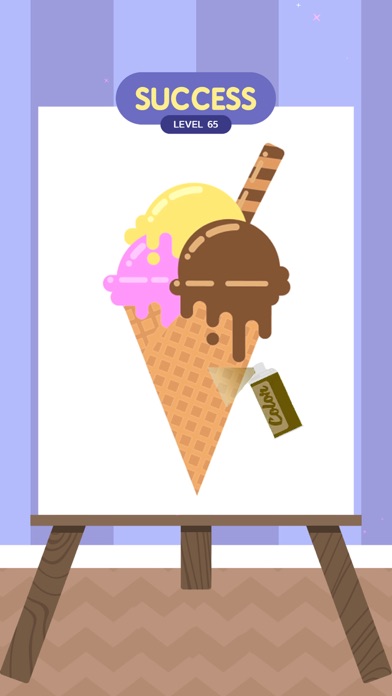
Dots and Co ($1.99)
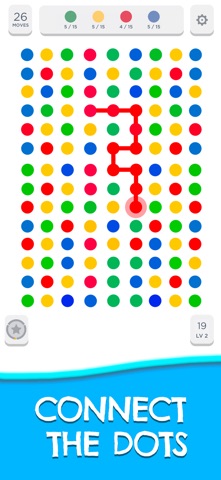
A sequel to the original Dots, where you connect dots on a grid within a time limit. The time limit is generous — 60 seconds per puzzle — and the game never asks you to buy more time or hints. Later levels introduce obstacles and multi-color chains that require planning.
The visual design is minimalist: dots, lines, and a clean grid. No particle effects, no celebratory animations, no ads. The game respects the player’s attention by not competing for it.
Monument Valley 2 ($4.99)
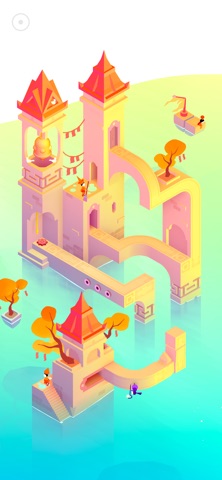
An isometric puzzle-adventure with hand-drawn visuals and impossible architecture. You guide a character through geometric landscapes, rotating the world to create new paths. The game is short — 2–3 hours — but every moment is polished.
This is a premium-tier game that costs more than most indie titles, but the price reflects the production quality and the developer’s refusal to compromise the experience with ads or IAP. The game was built as a complete artistic vision, not as a vehicle for monetization.
Why These Games Stand Out
All of these games share a core principle: they were designed as complete experiences, not as hooks for ongoing monetization. The developers chose to charge upfront and ship a finished game. That choice cascades through every design decision.
- No energy timers. You play until you’re done, not until a timer runs out.
- No ads between levels. Your attention isn’t being harvested.
- No “buy hints” buttons. If a puzzle is hard, the game trusts you to solve it.
- Offline play. These games work on a plane, in a subway, or in a cabin with no signal.
- No forced updates. The game you bought is the game you get; it doesn’t change to push you toward spending more.
For players tired of the free-to-play treadmill, these games feel like a return to how games used to work: you buy it, you own it, you play it.
How to Find More Games Like These
The App Store’s search algorithm is tuned to promote free-to-play games with high engagement metrics. Finding premium indie games requires a different approach:
- Check TouchArcade and AppShopper. TouchArcade filters recommendations by developer intent and design philosophy rather than engagement metrics, making it far more useful than the App Store’s “Paid Games” category for finding craft-focused titles. AppShopper has been tracking premium iOS games for over a decade with detailed owner reviews.
- Follow indie game developers on social media. Developers who ship premium games tend to announce them directly to their audience rather than through App Store algorithms.
- Sort by “Paid Games” on the App Store. Set the price range to mid-tier and above, and browse by category. You’ll see fewer games, but the signal-to-noise ratio is much higher.
- Check r/iosgaming. The subreddit has weekly threads for premium game recommendations and a strong culture of calling out games that claim to be premium while running ads.
FAQ
Q: What’s the typical price range for these games? A: Premium indie games on iOS typically range from to. Most of the games in this roundup fall and. You’re paying once upfront instead of many times through ads and IAP, so the single purchase covers the developer’s full development cost.
Q: Do any of these games support cloud saves? A: Most modern premium games include iCloud sync, which means your progress carries across devices. Check the App Store listing for each game to confirm cloud save support before purchasing.
Q: What if I want to try before I buy? A: The App Store’s return policy allows refunds within 14 days if you haven’t used the app heavily. Some developers also release lite versions or demos, though this is rare for premium games. Reading reviews and watching gameplay videos on YouTube is your best bet.
Q: Are there more games like these I should know about? A: Yes. Indie iOS Games Worth Paying For: 2026 Edition covers 20+ additional titles across action, strategy, and narrative genres. Best Paid iPhone Games One-Time Purchase 2026 includes games across all genres with detailed breakdowns by category. Indie iOS Games Worth Paying For: Hidden Gems 2026 focuses on lesser-known titles that deserve more attention.
Q: Why do premium games cost more than free-to-play games? A: Because they’re complete games. Free-to-play games are funded by ads and IAP; the player pays indirectly through their attention and time. Premium games are funded by a single upfront purchase, so the developer has to charge enough to cover development costs. You’re paying once instead of many times, and you’re getting a game designed for enjoyment rather than for monetization.
The Bottom Line
The premium indie game ecosystem on iOS is small compared to the free-to-play ocean, but it’s where the craft lives. These games were built by developers who chose to respect the player’s time and attention over maximizing engagement metrics. They’re complete, they’re polished, and they don’t ask for anything after you’ve paid.
If you’ve been burned by energy timers and battle passes, these games feel like a different medium entirely. Start with one that matches your taste — an arcade fan should grab Asteroids+, a puzzle player should try Two Dots — and you’ll understand why players keep coming back to the premium model.


