Best iPhone Games With Vector Graphics in 2026
Best iPhone Games With Vector Graphics in 2026
Vector graphics on iPhone occupy a sweet spot: they strip away visual noise, demand precision from the player, and age beautifully because they don’t rely on polygon counts or shader tricks. The best vector games on iOS lean into this clarity—they’re about mechanics, not decoration. This guide covers premium, IAP-free titles that use minimalist design as a strength, not a shortcut.
Why Vector Graphics Matter on iPhone
Vector-based games render at any resolution without degradation, which means sharp, readable gameplay on everything from an iPhone SE to a Pro Max. More importantly, the aesthetic forces developers to be intentional: every line, every color choice, every animation has to earn its place.
The vector-graphics movement in indie games traces back to the original arcade cabinets—Asteroids, Tempest, Battlezone—where hardware limitations made vector rendering the only option. Modern developers who choose vectors aren’t chasing nostalgia; they’re choosing clarity. A well-designed vector game tells you exactly what you can do and what will kill you, with zero ambiguity.
On iPhone specifically, vector games run smoothly across hardware generations and don’t drain battery like 3D-heavy titles do. They’re also the format that translates best to small screens: a 4.7-inch display is plenty when the visual language is precise and uncluttered.
Geometry-Based Action
Asteroids: Gunner
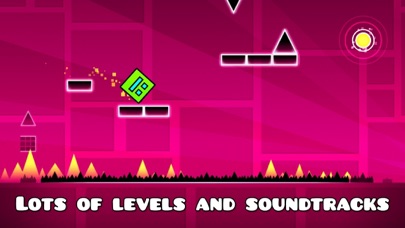
The spiritual heir to the 1979 arcade original, Asteroids: Gunner respects the lineage while understanding what makes the format work on touch. The core loop—rotate, thrust, shoot—is unchanged, but the implementation leans into iPhone-specific controls and pacing. The physics reward patient positioning over twitch reflexes, and the difficulty curve respects that you’re playing on a device you also use for calls.
The vector aesthetic here isn’t retro-chasing; it’s functional. You see every rock fragment, every shot, every rotation without visual clutter. The color palette—bright cyan and magenta against deep black—is borrowed from arcade cabinets, but the rendering is sharp enough that you won’t lose track of a small rock drifting at the edge of the screen.
Euclid
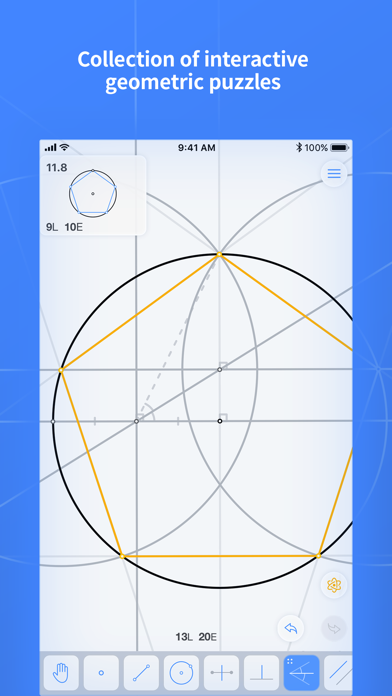
Euclid takes the minimalist approach further: geometry IS the game. You control a single line and must navigate through increasingly complex vector mazes and obstacles. The mechanic is simple—rotate and move—but the puzzle design demands precision. Each level teaches a new constraint, and the game trusts you to figure out the solution without hand-holding.
What makes Euclid stand out is its refusal to add anything unnecessary. No particle effects, no juice, no sound design that demands attention. Just clean white lines on black, and the satisfaction of threading a tight path. The difficulty spike is real but fair—you’ll fail dozens of times on later levels, but every failure teaches you something about the geometry.
Rotation and Symmetry
Duet

Duet is the gold standard for minimalist arcade games on iOS. You control two orbiting circles that must navigate through rotating obstacles. The entire game is vectors: circles, lines, the occasional geometric hazard. The color scheme—white and blue on black—is restrained enough that you can track obstacles at speed without eye strain.
The mechanic is elegant: tap one side of the screen to rotate clockwise, the other to rotate counter-clockwise. That’s it. But the level design uses this constraint to build complexity. Early levels teach you the basics; later levels introduce symmetry, timing, and patterns that feel impossible until they click. The game rewards returning after weeks away—you can pick it up and feel sharp immediately.
Hypercosm
Hypercosm wraps vector geometry in a synthwave aesthetic without letting the style overshadow the gameplay. You navigate a rotating hexagon through obstacles in a neon-vector environment. The design is clean—bright vector lines against a dark background—and the synth soundtrack complements rather than dominates.
What sets Hypercosm apart from other rotation-based games is the pacing. Each level introduces a new obstacle type or rule, and the game respects your learning curve. The difficulty is consistent, not punishing, which makes it ideal for players who want a vector game that doesn’t demand arcade-level reflexes. The visual feedback is precise enough that you always know whether you hit an obstacle or threaded it cleanly.
Minimalist Puzzle-Action
Threes!
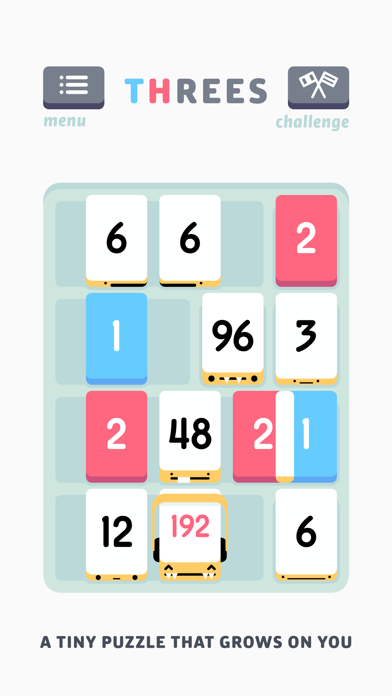
Threes! uses simple geometric tiles rendered with vector clarity. You slide numbered tiles on a grid, combining them to reach higher numbers. The design language is pure minimalism: each tile has a distinct color, and the typography is clean and readable at any size. This vector-like simplicity makes the game instantly readable on a small screen.
The genius of Threes! is that it looks deceptively simple but demands strategic thinking. Every move matters. You can’t undo, and the game ends when you run out of space. Players report spending far longer on this game than expected, not because of grinding or IAP, but because the puzzle design is genuinely engaging. It’s proof that minimalist design isn’t about cutting corners—it’s about cutting away everything that isn’t essential.
Dots & Co
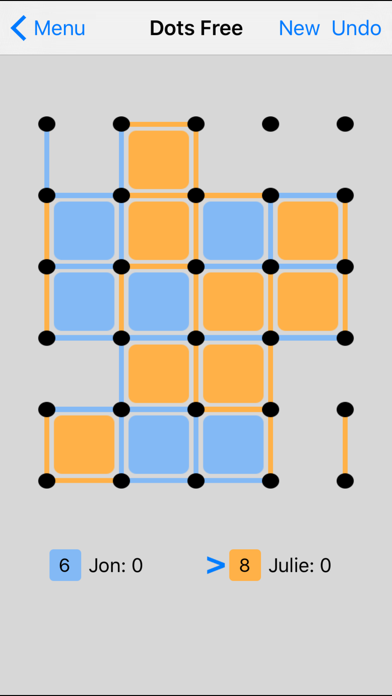
Dots & Co is a match-and-connect game with vector dots and clean lines. You draw lines between same-colored dots to clear them from the board. The visual feedback is immediate: connected dots disappear with a satisfying animation, and the board cascades to fill empty spaces.
What matters here is the restraint. No particle explosions, no screen shake, no sound effects that demand attention. Just dots, lines, and the clear feedback that you’ve made a valid move. The game escalates in complexity through new tile types and obstacles, but the core mechanic remains: connect, clear, cascade. The vector rendering keeps the board readable even when it’s crowded with dots.
Space and Sci-Fi Vectors
Galaximus
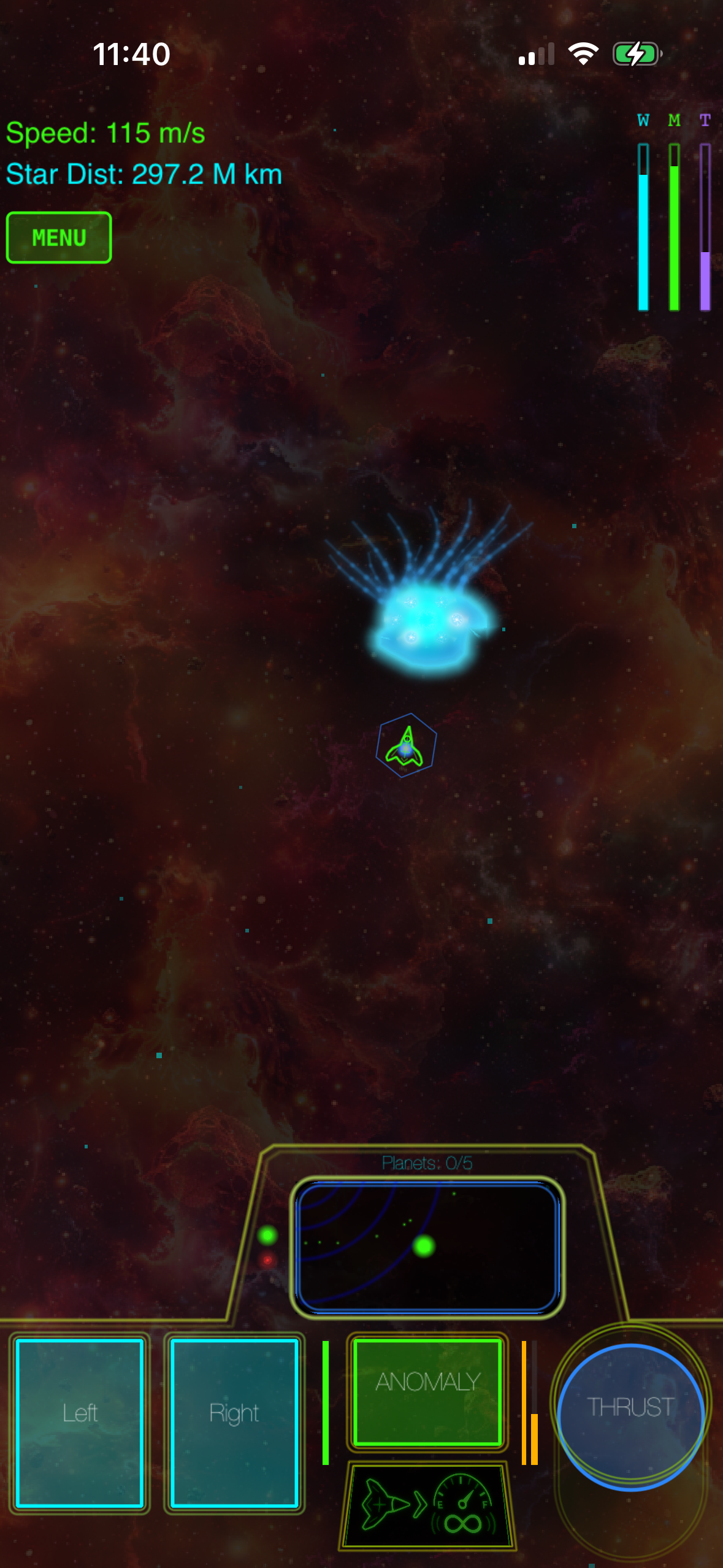
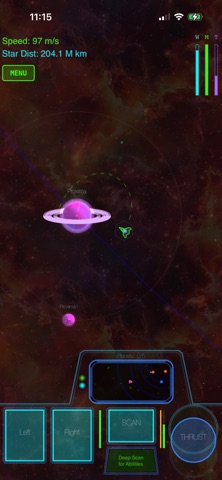
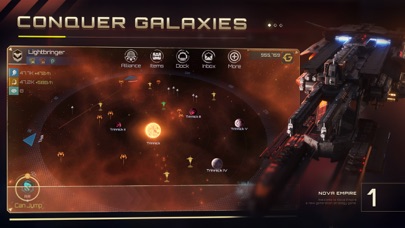
Galaximus is a space game built on real orbital mechanics, rendered entirely in vector graphics. You control a spacecraft and must navigate around planets and asteroids using gravity as a tool, not a hazard. The vector aesthetic serves the gameplay: you see orbital trajectories, gravity wells, and collision zones with perfect clarity.
The game rewards planning over reflexes. You position your ship, calculate a trajectory, and let physics do the work. The vector rendering makes this possible—you can track your projected path, adjust it, and understand exactly what will happen when you accelerate. The minimalist visual language means every element on screen conveys information: the size of a planet, the strength of its gravity, the distance to your target.
Orion
Orion is a space-shooter with vector graphics and a synth soundtrack. You pilot a small ship through waves of enemies, collecting power-ups and upgrades. The visual design is clean: bright vector lines for your ship and enemies, a dark background, and minimal UI clutter.
What makes Orion stand out is the pacing. Early waves are manageable; later waves demand pattern recognition and quick positioning. The vector aesthetic helps here—you can track multiple enemies and projectiles without losing focus. The difficulty curve is steep but fair, and the game respects your skill growth.
Why These Games Last
Vector-graphics games age differently than their 3D counterparts. A 3D game from 2015 can look dated by 2026 because rendering techniques, polygon budgets, and shader capabilities evolve. A vector game from 2015 looks identical today if the design was solid to begin with. Duet, released in 2014, looks as crisp and playable today as it did on launch day.
This longevity matters for iPhone gamers who build a backlog. You’re not buying a game that will feel visually stale in five years. You’re buying a mechanic and a design philosophy that transcends hardware generations.
The best vector games also respect the iPhone form factor. They don’t pretend you have a controller. They don’t require precision touch input that your fingers can’t deliver. They’re designed for the device you’re holding, not ported from something else.
FAQ
Can I transfer these games between iPhone and iPad? Yes. All listed games support both iPhone and iPad via a single purchase. Download them on one device and they’re available on all devices linked to your Apple ID.
Which of these games has the steepest learning curve? Euclid demands the most precision and has the sharpest difficulty spike. Asteroids: Gunner requires patience and positioning skill. Duet and Hypercosm are more forgiving but still challenging. Threes! and Dots & Co are accessible but strategically deep.
Do these games work offline? Yes. All listed games are premium, IAP-free, and don’t require an internet connection. Download them once and play indefinitely.
Which game is best for short play sessions? Duet, Hypercosm, and Dots & Co work great for 5-10 minute sessions. Asteroids: Gunner and Orion offer quick runs that end when you lose. Threes! and Euclid demand more focus and are better for longer sittings.
Are these games good for both casual and serious players? Yes. Each game has an accessible entry point and depth for skill development. You can play casually or chase high scores and perfect runs depending on your preference.
The Vector Aesthetic as Clarity
The games listed here share a philosophy: clarity through constraint. By stripping away everything except what’s essential, they force themselves to communicate clearly. You always know what you can do, what will kill you, and whether you succeeded or failed.
This isn’t nostalgia. It’s not retro-chasing. It’s a modern design choice that happens to align with how the best arcade games from the 1980s worked. The vector format is the vehicle; the real strength is in the design discipline.
If you’re tired of bloated games with unnecessary animations, excessive UI, and features that don’t serve gameplay, vector games on iPhone offer a refreshing alternative. They’re proof that minimalism, when done right, isn’t about cutting corners—it’s about building something that lasts.
For more on arcade-lineage games, see [internal:retro-arcade-iphone-games-premium-modern-takes-on-classics our guide to premium arcade games that modernize 1980s mechanics]. If you’re interested in space games specifically, [internal:premium-space-games-for-iphone-sci-fi-adventures check out our space games collection] covers that territory. And for a broader look at minimalist indie design, [internal:best-retro-inspired-games-for-iphone-nostalgia-without-compromise explore how restraint shapes modern game design].