iPhone Games Like Pac-Man: Modern Maze & Arcade Classics

Photo by Kelly Sikkema on Unsplash
iPhone Games Like Pac-Man: Modern Maze & Arcade Classics
Pac-Man’s genius was architectural. A tight maze, a single controllable character, four predictable-but-smart enemies, and a simple rule: eat pellets, avoid ghosts, escape. The formula works because it respects player agency—there’s always a way out if you’re fast enough and smart enough. Forty-five years later, that DNA still runs through the best arcade games on iPhone.
What Makes Pac-Man Work (and What Its Descendants Inherit)
Pac-Man isn’t really about eating dots. It’s about navigation under pressure. You move through a fixed space with known rules; four enemies follow predictable logic; your only escape is spatial awareness and timing. The game teaches you the maze through repetition. By run three, you know where the safe corners are. By run ten, you’re reading enemy patterns two moves ahead.
Modern games that capture this spirit don’t need ghosts or dots. They need:
- A bounded play space where every inch matters
- Predictable opposition (AI, physics, or game rules) that you can learn
- Asymmetric pressure—you’re always slightly outgunned, so timing and positioning are your real weapons
- Clear feedback loops—you see immediately when you’ve made a smart move or a fatal mistake
The best Pac-Man successors on iPhone lean into one or two of these elements and build something new.
Direct Maze-Chase Games: The Lineage
If you want the actual experience—maze, movement, enemies, escape—these are the closest matches.
Pac-Man Party Royale
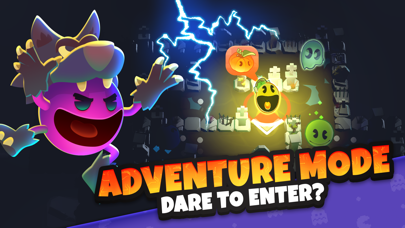
The official Pac-Man game on iOS. You get the core maze chase wrapped in a modern multiplayer framework—local and online modes where up to four players compete in the same maze. Maze layouts are tighter and more intricate than the original arcade, so positioning matters even more.
The catch: Pac-Man Party Royale is free-to-play with ads and in-app purchases. Ads appear between matches (roughly every 2-3 games) and to remove permanently. IAP includes cosmetics and a “premium pass” (/month) for faster progression. This monetization interrupts the flow—you lose the meditative rhythm that makes Pac-Man work. If you can tolerate the breaks, the maze-chase gameplay itself is faithful: ghosts move at consistent speeds, patterns are learnable, and there are always multiple routes to safety.
Maze Craze
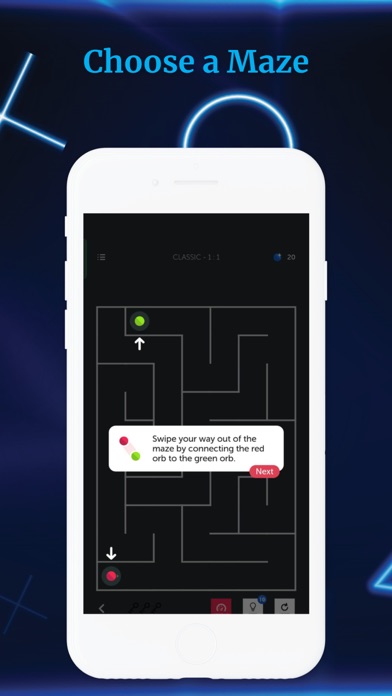
A premium-tier indie take on the maze-escape formula. Vector graphics, clean neon aesthetic, real-time pursuit. You navigate a procedurally-generated maze while enemies hunt you. Each run is short (3-5 minutes), and the core skill is identical to Pac-Man: learn the space, read the enemy patterns, find the escape. The procedural generation means there’s no “solved” maze you can exploit infinitely—each run demands fresh spatial reasoning.
Spatial-Puzzle Games: The Evolved Lineage
These don’t have enemies chasing you, but they share Pac-Man’s core rhythm: move, plan your next move, execute under pressure.
Threes!
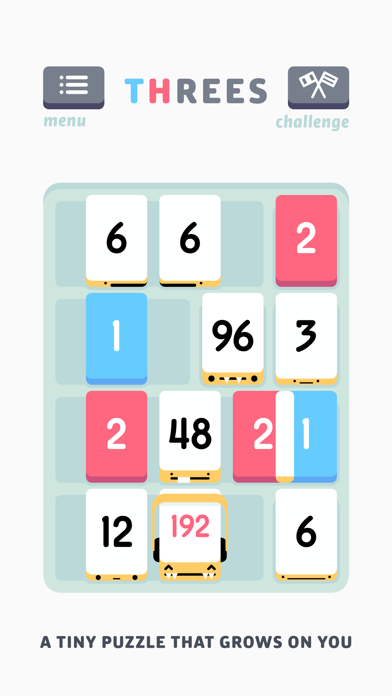
A sliding-tile puzzle where you combine numbered tiles to reach the goal. Every move is reversible until you commit; you’re constantly scanning the board for the next safe play; new tiles spawn after each move, filling the board and forcing you to think two or three moves ahead.
The analogy to Pac-Man: In Pac-Man, you have roughly 3 seconds before a ghost corners you, so you must plan your next three moves instantly. In Threes!, you have roughly 3 moves before the board locks, so you must plan your next three moves before committing. The pressure and decision-making rhythm are identical. By run three, you learn that keeping high-value tiles in corners prevents board lock—just as Pac-Man players learn that the top-left corner is a safe zone.
Dots
A neon-vector dot-collection game played on a grid. You draw paths through connected dots to collect them; longer paths score higher. You’re reading the grid, spotting safe routes, and planning your path before the three-minute timer catches you. The aesthetic is pure minimalism: glowing neon dots on a dark background, instant feedback. The pacing is faster than Threes!, but the core skill is the same: read the space, find the optimal path, execute cleanly.
Real-Time Arcade Games: The Physics-Based Heirs
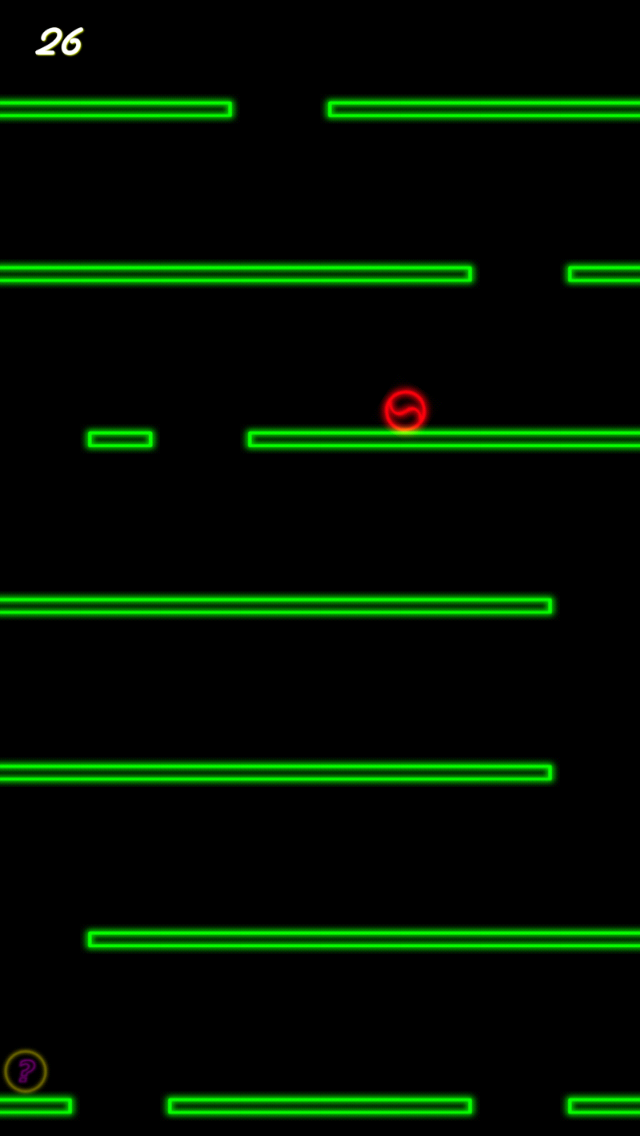
These games swap the maze for other confined spaces, but keep the “learn the rules, navigate under pressure” core.
Galaximus
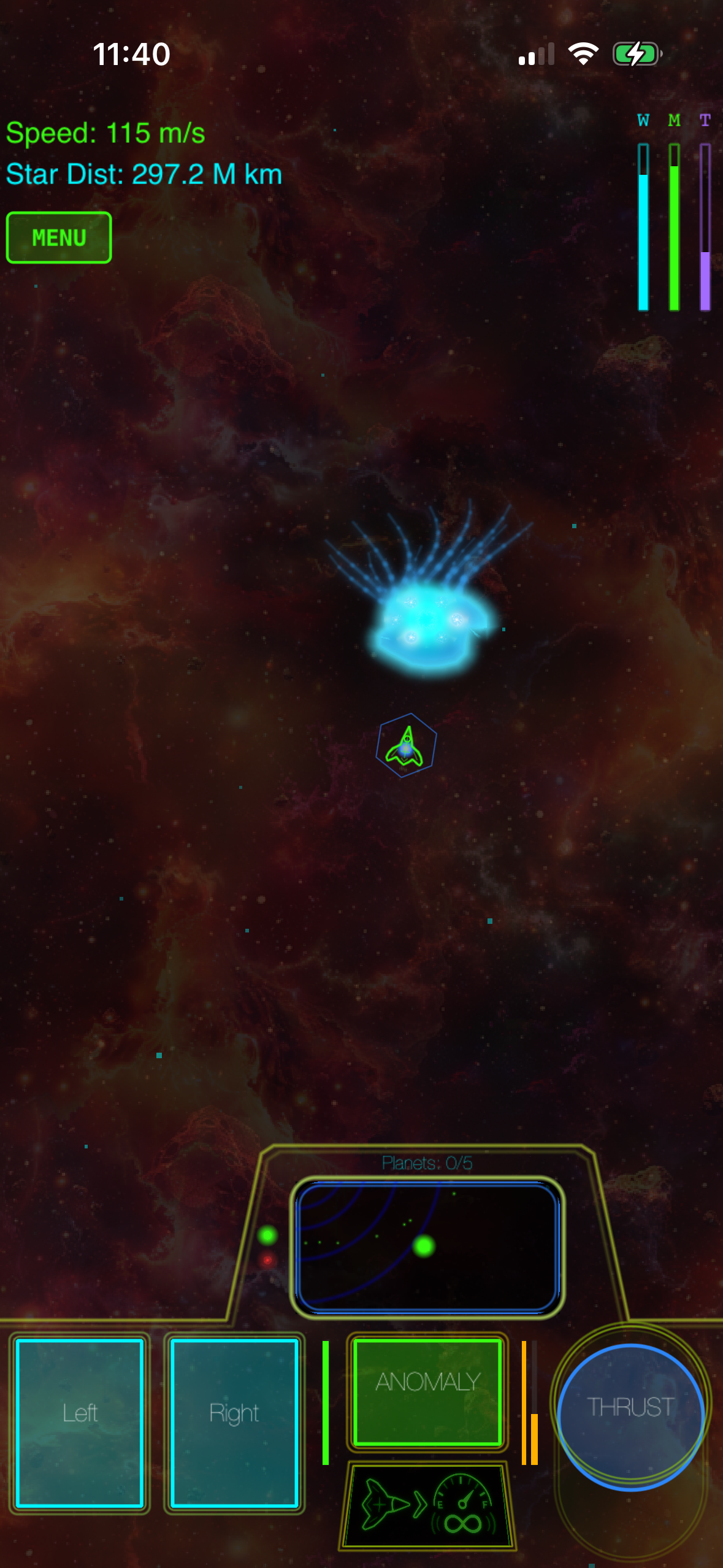
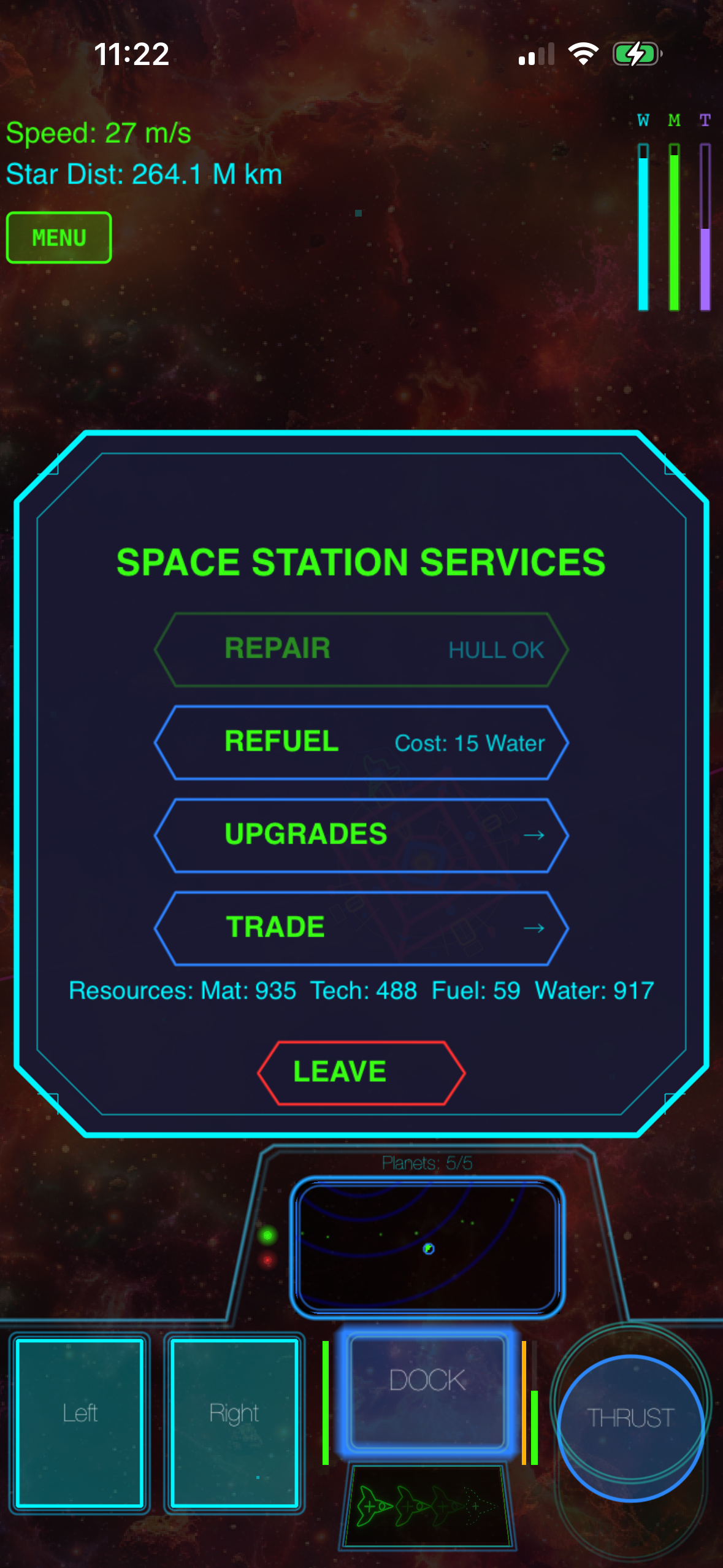
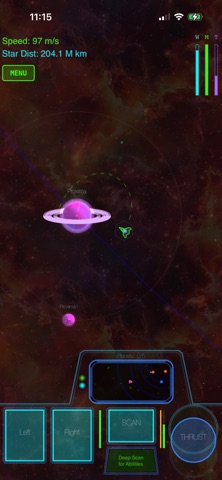
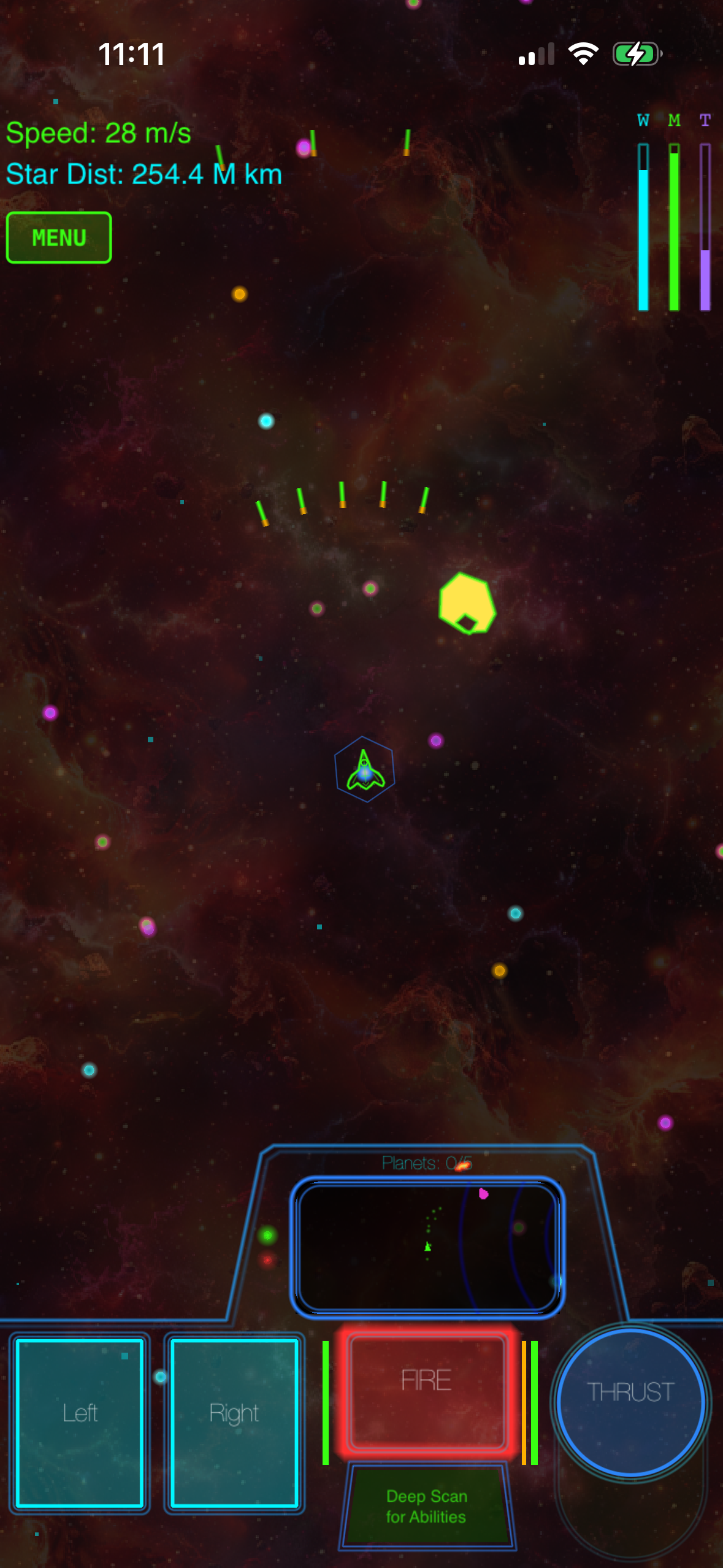
At first glance, Galaximus is nothing like Pac-Man—it’s a space arcade game where gravity is the primary mechanic. But the underlying design DNA is identical. You pilot a ship through star systems; gravity wells from planets and stars pull at you constantly; the goal is to navigate to your objective without crashing or running out of fuel.
The learning curve mirrors Pac-Man’s exactly. Your first few runs, you’re just trying to survive the gravity wells. By run five, you’re reading the gravity landscape. By run ten, you’re using gravity as your engine, slingshot-ing around planets to gain speed for free. The physics are real—every body’s gravity affects every other body—but the player skill is pure spatial reasoning: see the gravity well, predict the trajectory, position yourself to use it.
You’re never powerless; there’s always a way out if you’re smart and patient. Panic and thrust wildly, and you’ll crash. Think ahead and position carefully, and gravity becomes your ally. Per the developer, the game features procedurally-generated star systems, so each playthrough demands fresh spatial reasoning.
The premium model (one-time purchase, no ads, no IAP) means the game never nags you to spend more.
Asteroids-Lineage Games
If you want traditional arcade-action with the same “navigate confined space, manage multiple threats” rhythm, explore the Asteroids lineage. 
Why These Games Feel Like Pac-Man (Even When They Don’t Look Like It)
The common thread is mastery through repetition and spatial awareness. Pac-Man teaches you something new about the maze every time you play. By run three in Threes!, you learn that keeping high-value tiles in corners prevents board lock. In Galaximus, by run ten, you’re using gravity wells as slingshot engines instead of obstacles. The games give you a rule set, a bounded space, and gentle pressure. Then they let you improve through understanding.
The Premium-Game Advantage
Most of the games above are premium-tier (one-time purchase, no ads, no IAP). This matters for Pac-Man successors specifically, because the game’s pacing depends on player agency. If the game is constantly interrupting you with ad breaks or energy timers, the spatial awareness breaks down. You’re not learning the maze; you’re waiting for timers.
The best versions of these games respect your time. You pay once, you own the game, and every session is pure play with no monetization friction.
Indie iPhone Games with No Ads or IAP: Complete Guide
Related Arcade Lineages Worth Exploring
- Best Arcade Puzzle Games for iPhone Premium 2026 — If you want real-time action combined with puzzle-solving, like Pac-Man does.
- iPhone Games with Vector Graphics: Minimalist Design & Fast Action — Minimalist arcade games with clean visuals and tight controls.
- Best Retro Arcade iPhone Games: Premium Edition — The full spectrum of premium retro arcade games, from maze-chases to shooters.
- Premium Space Games for iPhone: Sci-Fi Adventures Worth Playing — If Galaximus grabbed you, explore the broader space-game landscape.
FAQ
Can I play these offline?
Yes. Pac-Man Party Royale requires an internet connection for multiplayer, but single-player works offline. Maze Craze, Threes!, Dots, and Galaximus all work fully offline.
Which game has the shortest learning curve for kids?
Dots. It’s the fastest to pick up—draw lines through dots, collect them, beat the timer. Kids understand the goal in 30 seconds. Threes! is next (combining tiles is intuitive), then Maze Craze (enemy patterns take a few runs to learn).
Do any of these games have the exact Pac-Man experience?
Pac-Man Party Royale is the official version. Maze Craze is the best indie alternative—it has the maze, the enemies, the escape logic. Both are playable without spending money, though Party Royale’s ads interrupt the flow.
Is Galaximus really like Pac-Man?
Not in appearance, but yes in structure. You’re navigating a bounded space under pressure, learning patterns, improving through repetition. The maze is gravity; the ghosts are planets. The skill you’re building—spatial awareness and prediction—is identical.
What if I want something faster than Pac-Man?
Try Dots (three-minute timer, fast pacing) or Geometry Wars (arcade-intense action). You’re still reading space and managing multiple threats, but the pace is faster than traditional Pac-Man.
What’s the learning curve like?
Pac-Man-style games have a gentle on-ramp. Your first few runs will feel chaotic; by run five, you’ll start seeing patterns; by run ten, you’ll feel genuinely skilled. The games reward practice, not reflexes.
Start Here
If you’re hunting for games that deliver Pac-Man’s satisfaction, start with Maze Craze for direct lineage, Threes! or Dots for meditative spatial puzzles, or Galaximus if you want the formula applied to physics-based arcade action. Each one respects your time and rewards your attention in the way Pac-Man always has.